
Article
Dairy and Plant Milks in Coffee
Edited and reviewed by Coffee Made Clear TeamUpdated 5 min read
Most milks work in coffee, but they foam and behave differently.
In a lab study of eight milks, oat made the longest-lasting foam and rice made the least. Hot, cow and goat milk made more foam than the top plant milks; cold, oat, soy and almond made more and longer-lasting foam than cow milk.
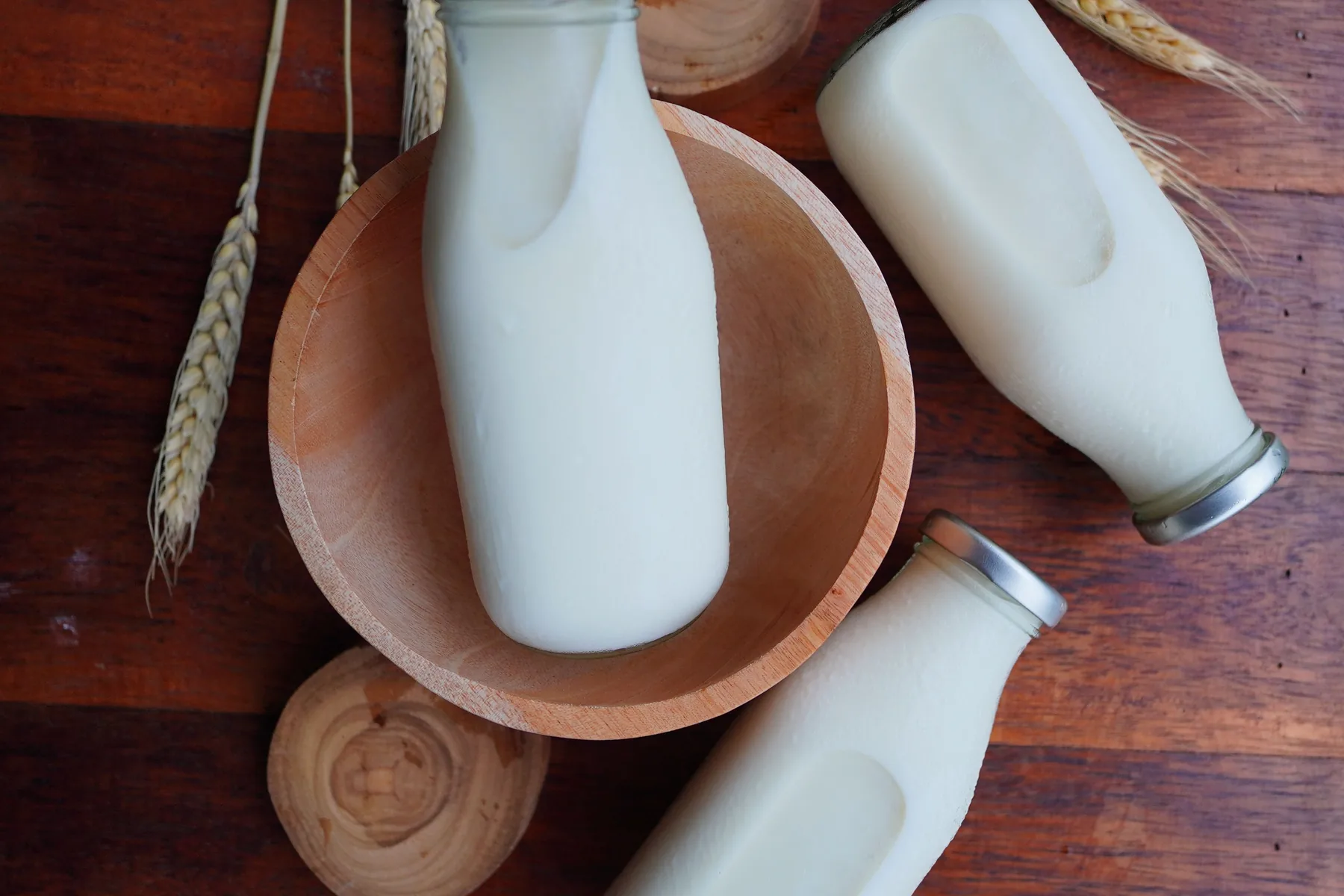
Plant milk can also curdle in hot coffee. In a study of one long-life soy milk in instant coffee, the split was reversible: cooling the drink or adding more soy milk brought it back together. If it happens to you, it may be worth letting the coffee cool a little before adding milk, or adding more milk, but this is not guaranteed for every soy milk or coffee.
Cow milk, oat, soy, almond: many cafés now offer several milks, and most kitchens have at least one. They all work in coffee, but they do not all foam the same way, and some can split in a hot cup.
In this guide we explain what research has found about how different milks foam, why soy milk sometimes curdles, and what to try. We do not rank brands or say one milk is best.
How different milks foam
A 2024 study compared two animal milks (cow and goat) with six plant milks (almond, oat, soy, pea, coconut and rice). The researchers frothed each with an electric frother on cold (10 °C) and hot (65 °C) settings, and measured how much foam it made and how long the foam lasted.
- Oat made the longest-lasting foam of all eight milks. Rice made the least foam, and it lasted the shortest time.
- Hot: cow and goat milk made more foam than the top three plant milks (oat, pea and soy).
- Cold: oat, soy and almond made more foam, and longer-lasting foam, than cow milk.
So the milk that foams most depends on whether you want a hot or a cold foamed drink. Some of the study’s authors worked for a food-technology company; the results above are what they measured.
Why plant milks feel different
The same study notes that most plant milks are thicker than you might expect, because many have added thickeners. Some also contain emulsifiers such as lecithin. That can make a plant-milk drink feel fuller in the mouth.
For dairy milk, the type matters too. In a study of milk steamed with an espresso machine’s wand, pasteurized whole milk tended to make more stable foam than UHT milk. Consumers could also tell pasteurized and UHT milk apart by aroma and flavor.
Why soy milk can curdle in coffee
Soy milk in particular is often seen to “curdle” in coffee: it separates into flecks, which then sink. A 2019 study looked at this in detail, using one long-life soy milk in instant coffee. It found that the split depends mainly on the temperature and how much soy milk is in the cup; it found no clear acidity cut-off.
The good news is that the split was reversible. Cooling the mixture, or adding more soy milk, brought it back together.
What you need
- The milk you want to try, cold from the fridge.
- Your coffee.
- A frother or steam wand, if you want foam. Our guide to steaming milk shows how.
Safety. If you have a milk, soy, tree nut or gluten allergy, check the label of any milk you use, because brands differ. Steam and hot milk can burn and scald: point the steam wand away from yourself and other people, and let a very hot drink cool before you sip it.
Step 1: Decide hot or cold
For a hot foamed drink, cow and goat milk made more foam than the top plant milks in the study. For a cold foamed drink, oat, soy and almond did better than cow milk.
Step 2: Start with cold milk
Froth or steam the milk from cold, straight from the fridge.
Step 3: Let very hot coffee cool for a moment
If your soy milk tends to split, it may be worth letting the coffee cool slightly before you add it. The study tested only one soy milk, so this is worth trying, not guaranteed.
Step 4: Add the milk and watch the cup
If soy milk starts to split, you could try adding more and stirring. This worked in the study, but it is not guaranteed.
Step 5: Note what worked
Write down the milk and how you used it, so you can repeat it.
Troubleshooting
My soy milk splits in the cup
Try letting the coffee cool a little, or adding more soy milk. In the study of one long-life soy milk in instant coffee, both brought the mixture back together, but your soy milk and coffee may behave differently.
My plant milk will not foam well when hot
That matches the study: hot, the top plant milks made less foam than cow milk. Try it cold, or try oat, which made the longest-lasting foam.
The foam disappears quickly
Try oat milk, which made the longest-lasting foam in the study. Rice milk made the least foam, and it lasted the shortest time.
Frequently asked questions
Why does soy milk curdle in coffee?
Soy milk can separate in hot coffee. A study of one soy milk in instant coffee found that the split depends mainly on the temperature and how much soy milk is in the cup, and that cooling or adding more soy milk reversed it in that test. It may not hold for every brand.
Which plant milk foams best?
In one lab study of six plant milks, oat made the longest-lasting foam and rice the least. With hot settings, oat, pea and soy were the top plant milks for foam volume.
Does UHT milk taste different in coffee?
In a study of steamed milk, consumers could tell pasteurized and UHT milk apart by aroma and flavor. Pasteurized whole milk also tended to make more stable foam.
Why does oat milk feel thick?
Many plant milks have added thickeners, which raise their viscosity, according to a 2024 study of plant milk foams.
- In one lab study, oat milk made the longest-lasting foam, and rice milk the least.
- In the same study, hot cow and goat milk made more foam than the top plant milks; cold, oat, soy and almond beat cow milk.
- Soy milk can curdle in hot coffee; in one study, cooling it or adding more soy milk reversed the split.
- Many plant milks are thickened, so they can feel fuller in the cup than you expect.
Sources
Studies used for the claims above.
- Hassan et al., The bubbly life and death of animal and plant milk foams, Soft Matter (2024).
- Brown et al., “Curdling” of soymilk in coffee: a study of the phase behaviour of soymilk coffee mixtures, Food Hydrocolloids (2019).
- Klimanova et al., Effect of steam frothing on milk microfoam, International Dairy Journal (2022).
Published Updated
See sourcesReport a correction — fixes are logged in the Updated date.