
Topic
Brew Better Coffee
Find a simple brewing method, then learn which variables to adjust when the cup needs work.
Brewing at Home, in Brief
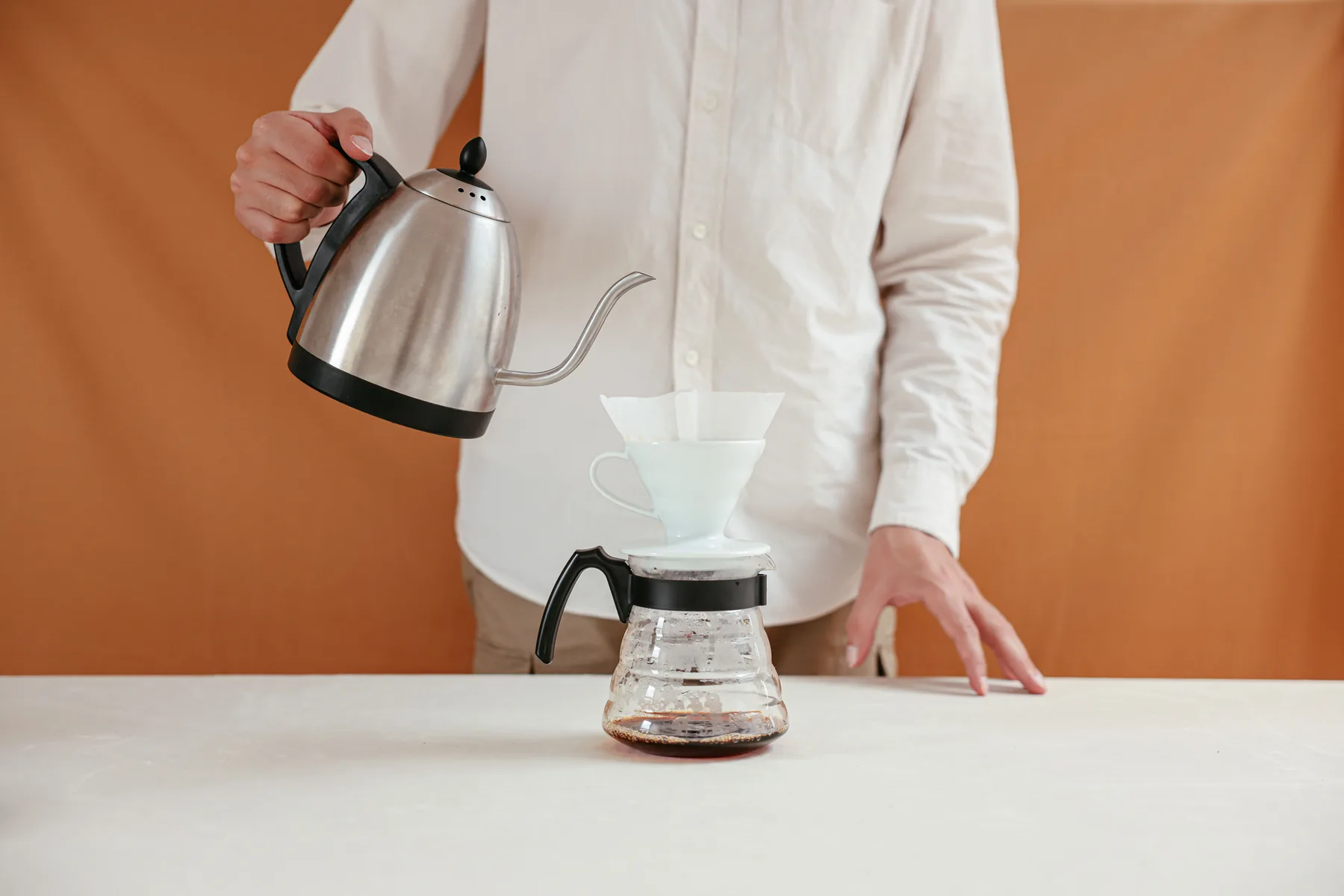
Brewing is where grind, ratio, water and time meet. Pick one method, learn its baseline recipe, and change one thing at a time when the cup is off. The guides below cover the home methods on this page and the variables they share.
Brewing Methods
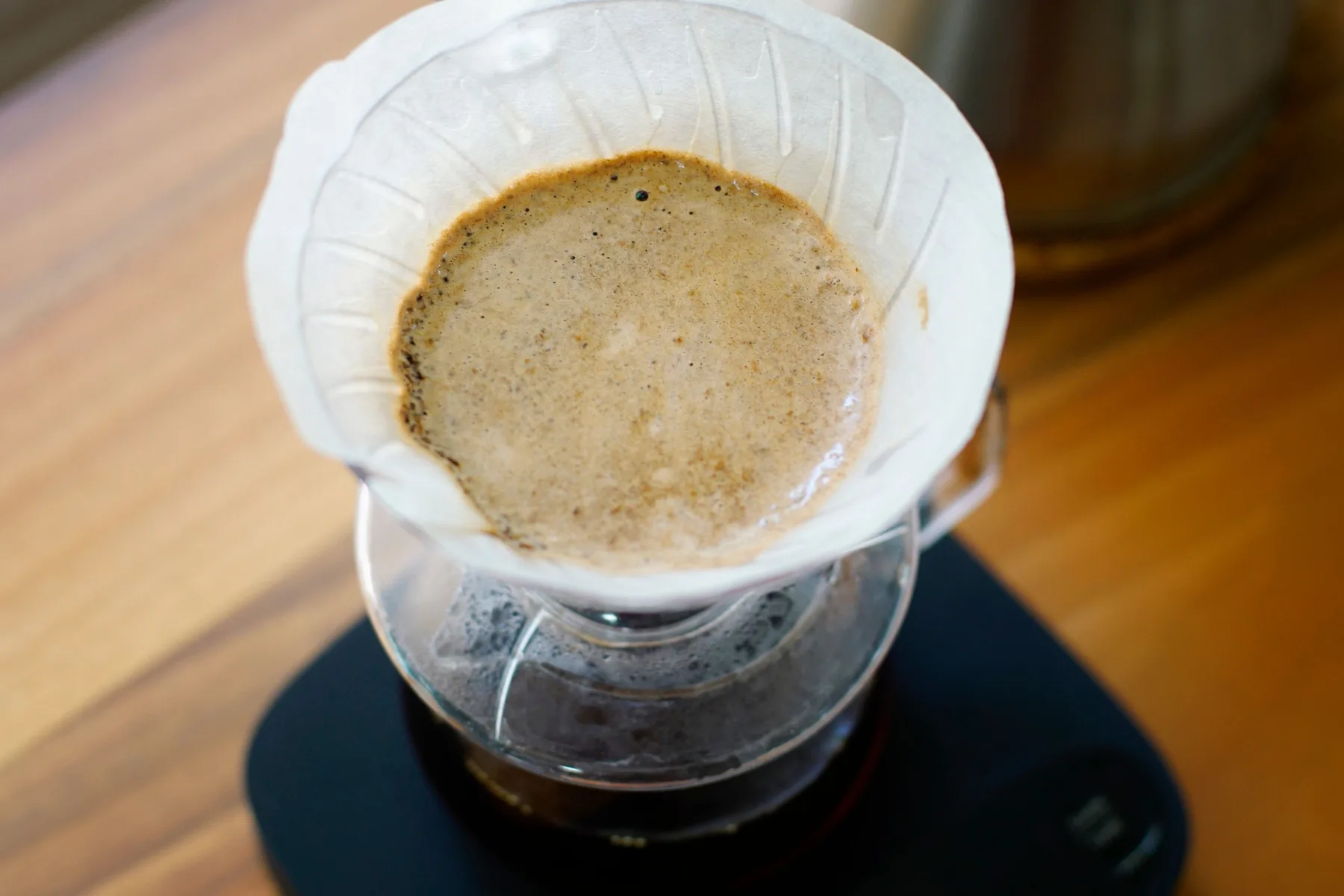
Pick a method and start from its baseline recipe.
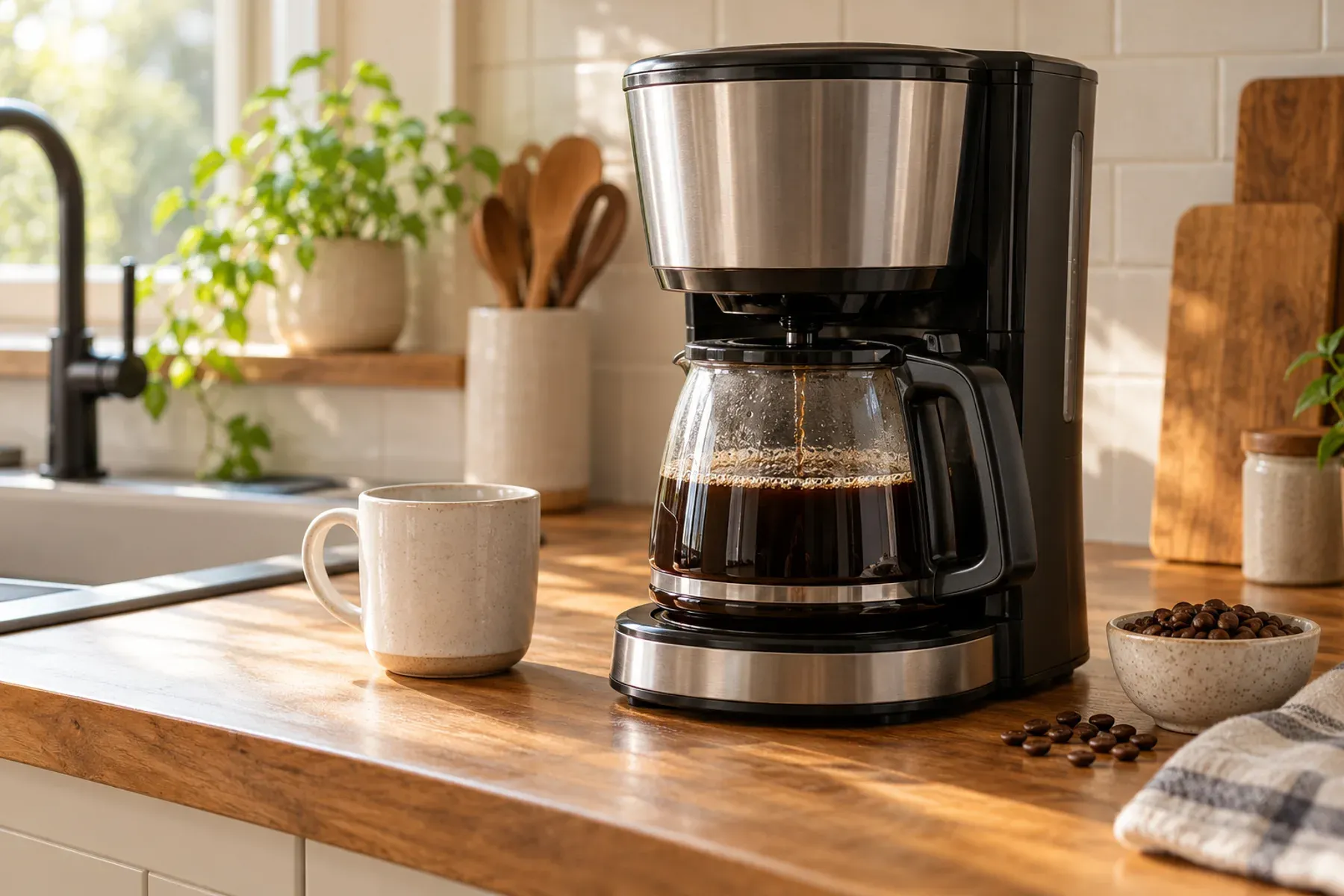
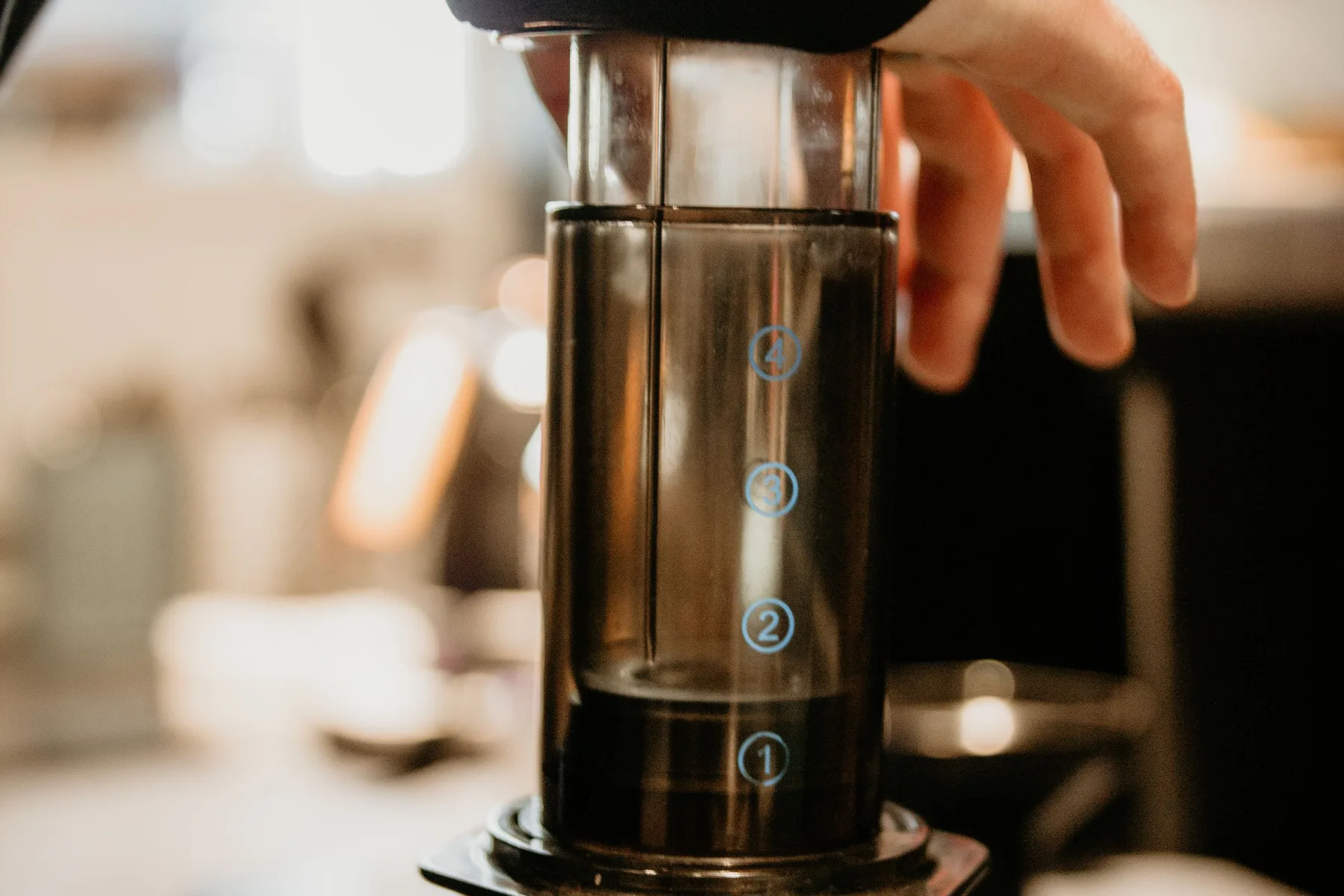
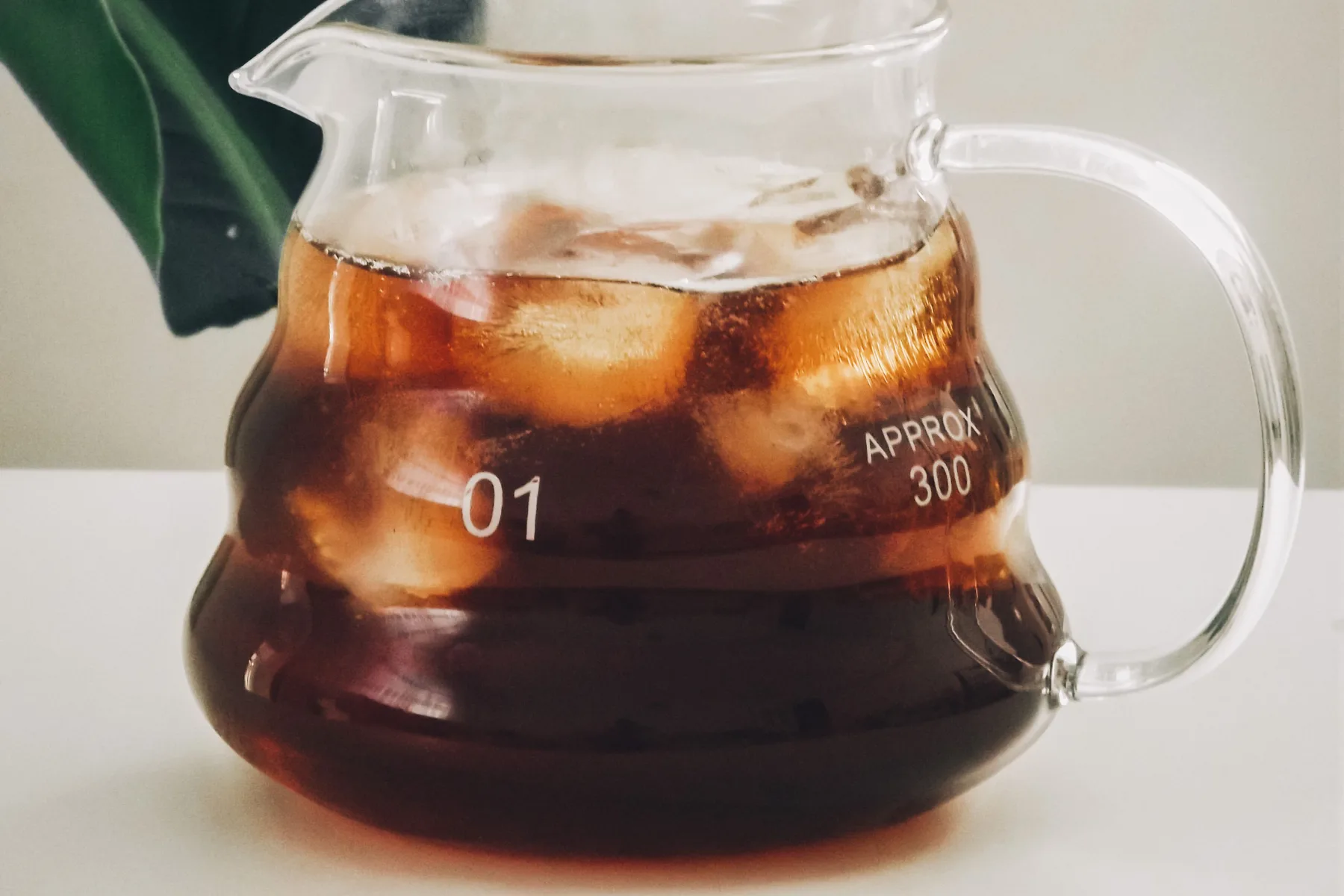
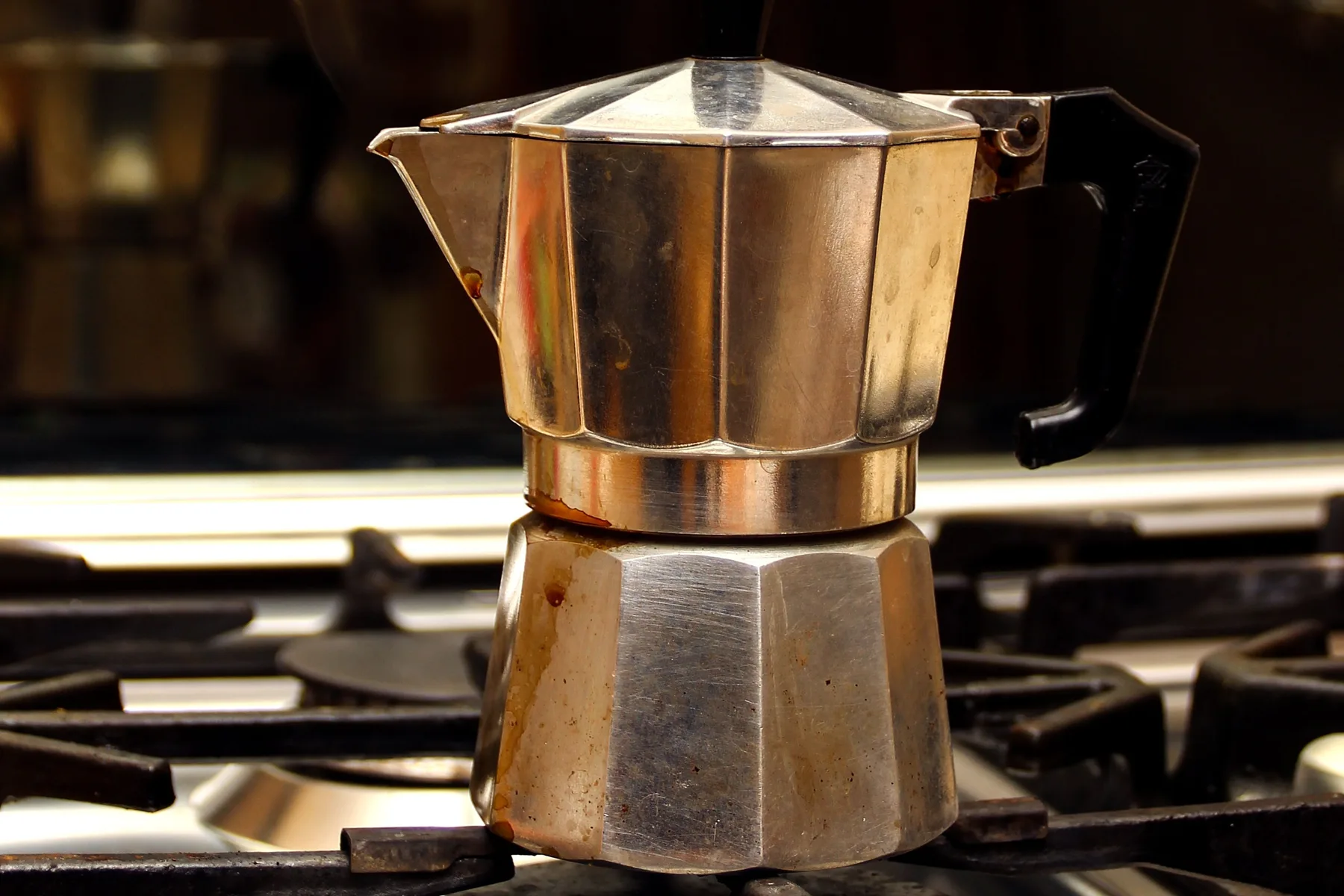
Compare the methods
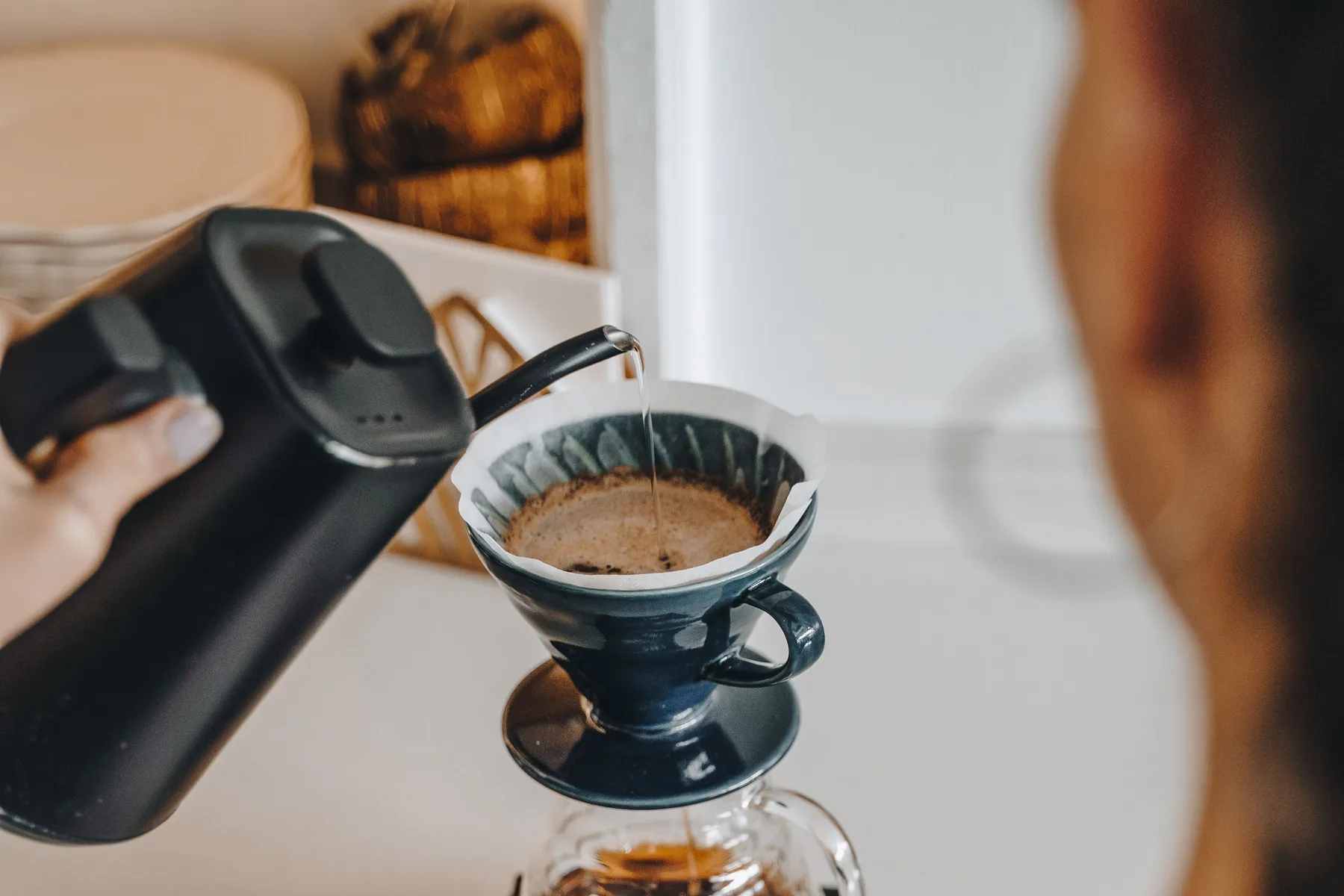
Each row restates the method's own guide, with the same numbers as our baseline in the published-recipe dataset; where a guide is silent, it uses how Method Match describes the method, or says "Not stated". Batch is the amount Method Match suits each method to, or the amount its guide uses. Each value links to where it comes from, and the grind, ratio, time and batch columns sort from their headers.
Espresso
The National Coffee Association describes espresso as high pressure forcing nearly boiling water through finely ground coffee in about 20–30 seconds. Start with dose, yield and time, then dial in, or fix a sour or bitter shot.
- Espresso Basics: Dose, Yield and TimeDose, yield and time, and why 18 g in and 36 g out (1:2) is a common start.Read the guide
- How to Dial In EspressoKeep the dose and yield fixed, then change the grind in small steps.Read the guide
- Why Is My Espresso Sour or Bitter?How shot time points to the cause, and the first fix for each.Read the guide
Which brewing method fits your mornings?
Answer five questions about texture, attention, batch size, cleanup, and equipment. Method Match recommends a place to start and explains the tradeoff. It does not rank one method as universally better.
How Method Match scores your answers
Each answer adds points to one or more methods. The highest total wins. If methods tie, the texture answer decides; if that does not separate them, the batch-size answer decides; if they are still tied, Method Match shows them together and does not pick a winner.
| Answer | Pour-over | French press | AeroPress | Moka pot | Drip coffee maker |
|---|---|---|---|---|---|
| 1. How do you want the cup to feel? | |||||
| Clean and light | +2 | – | +1 | – | – |
| Full and textured | – | +2 | – | +1 | – |
| Concentrated for milk or dilution | – | – | +1 | +2 | – |
| No preference yet | – | – | +1 | – | +1 |
| 2. How much attention do you want to give the brew? | |||||
| I enjoy controlling the pour | +2 | – | – | – | – |
| I want to pour, wait, and finish | – | +2 | +1 | – | – |
| I want the machine to handle the water | – | – | – | – | +2 |
| I will watch the stove for a short brew | – | – | – | +2 | – |
| 3. How much coffee do you usually make? | |||||
| One small cup | +1 | – | +2 | – | – |
| One large mug | +2 | – | +1 | – | – |
| Two to four cups | – | +2 | – | – | +2 |
| More than four cups | – | – | – | – | +3 |
| 4. Which cleanup sounds least annoying? | |||||
| Lift out a paper filter | +2 | – | +1 | – | +2 |
| Rinse a mesh and remove wet grounds | – | +2 | – | – | – |
| Rinse a metal pot after it cools | – | – | – | +2 | – |
| 5. What equipment do you already have? | |||||
| Gooseneck kettle and scale | +2 | – | – | – | – |
| Ordinary kettle | – | +1 | +1 | – | – |
| Stovetop | – | – | – | +1 | – |
| Automatic coffee maker | – | – | – | – | +2 |
| None of these | – | – | – | – | – |
Brewing Fundamentals
The variables that matter more than the method you pick.
Fix Your Coffee
Troubleshoot the cup before changing everything at once.
Guides in this topic
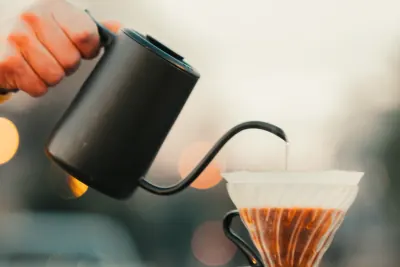 Coffee Water: Quality and TemperatureHow water affects coffee: why minerals and alkalinity matter, why distilled water is not ideal, what temperature to use, and how to test your water.
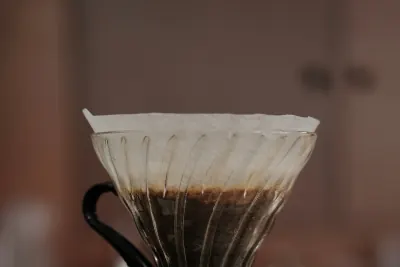 What Is Coffee Extraction?Coffee extraction in plain language: what extraction yield and strength mean, which brewing levers change them, and how to use them to fix a cup.
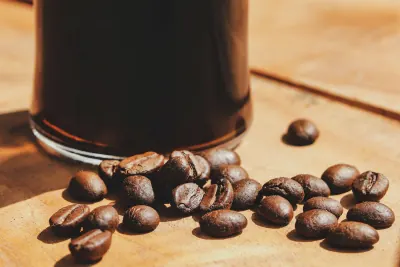 Why Does My Coffee Taste Bitter?Why coffee tastes bitter and what to change first: check the strength, then the grind or brew time, then your equipment and the roast, one change at a time.
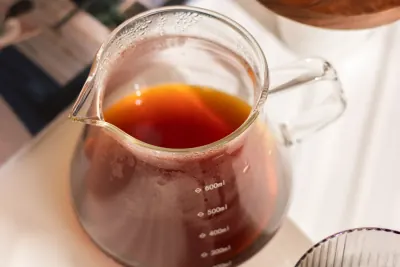 Why Does My Coffee Taste Sour?Why coffee tastes sour and what to change first: tell bright from sour, check how the brew ran, then adjust grind, ratio, water or beans one at a time.
 Why Does My Coffee Taste Weak or Watery?Why coffee tastes weak or watery and what to fix first: measure the coffee and water, adjust the ratio, then check grind, brew time and your brewer.
 Dairy and Plant Milks in CoffeeHow cow milk and plant milks such as oat, soy and almond foam and behave in coffee, why soy milk can curdle in hot coffee, and what to try instead.
 How to Descale a Coffee MakerWhy hard water leaves scale in a coffee maker, how to check your water hardness, how often to descale, and why vinegar advice differs between makers.
 How to Make Café au LaitCafé au lait is strong brewed coffee with an equal part of hot milk. How it differs from a latte, how to make it without an espresso machine, and fixes.
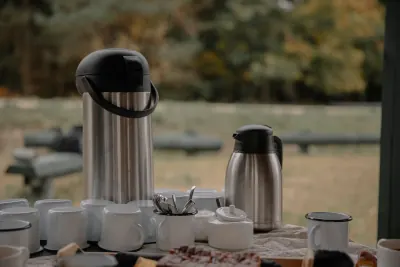 How to Make Coffee for a CrowdHow much coffee to brew for a group: why a coffee maker cup is smaller than a mug, how much ground coffee a full carafe needs, and how long it can wait.
 How to Make Iced Pour-Over CoffeeHow to brew pour-over coffee hot, straight onto ice: how much coffee, hot water and ice to use, a finer grind, the pours, and what to fix if it tastes weak.
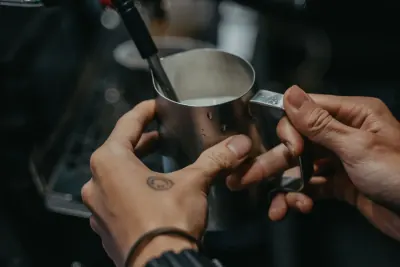 How to Steam and Froth Milk at HomeHow to steam milk with an espresso machine wand, step by step: cold milk, a short burst of air, a whirlpool, and the right temperature. Plus frother options.
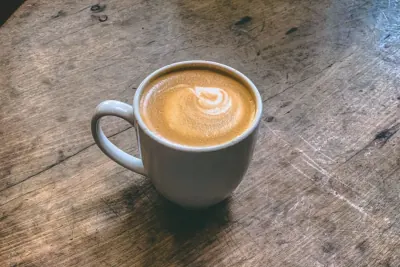 Latte vs Cappuccino vs Flat WhiteLatte, cappuccino and flat white are all espresso with steamed milk. Here is how milk, foam and cup size set them apart, and how to make each at home.
 Tap, Filtered or Bottled WaterHow to find out what is in your tap water, what a filter certification covers, and what spring, mineral and purified mean on a bottle, for better coffee.
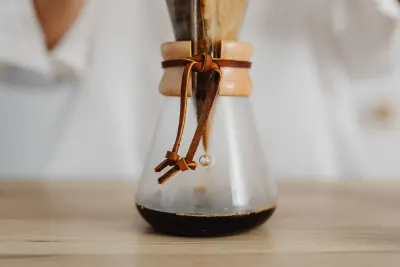 How to Brew With a ChemexHow to brew with a Chemex: our 30 g to 480 g baseline, why the thick three-layer side of the filter faces the spout, a coarser grind, and the maker’s steps.
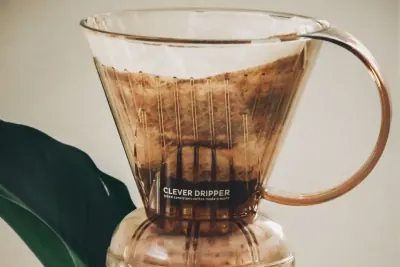 How to Brew With a Clever DripperHow a Clever Dripper works: it steeps like a French press, then drains through paper when you set it on a cup. Our 1:16 baseline and three recipes compared.
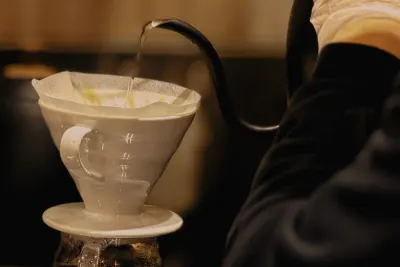 How to Brew With a Hario V60How to brew with a V60: our 20 g to 320 g baseline, how its spiral ridges and open flow let you steer the cup, and Hario’s recipe and two others compared.
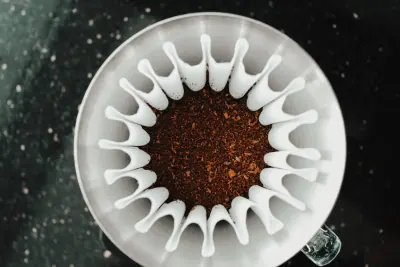 How to Brew With a Kalita WaveHow to brew with a Kalita Wave: our 20 g to 320 g baseline, what its flat bed, three small holes and wave filter do, and three recipes side by side.
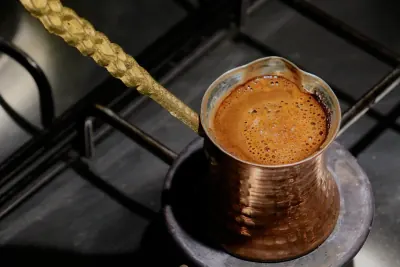 How to Make Turkish CoffeeHow to make Turkish coffee in a cezve: very fine coffee, cold water and sugar heated slowly until it foams, served in small cups with a glass of water.
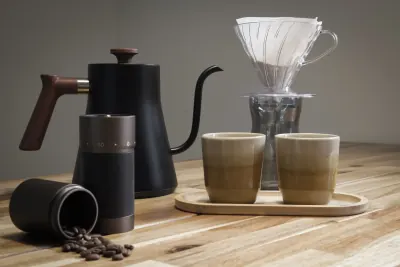 Coffee Brewing EssentialsThe few tools that make home coffee more repeatable: a scale, a kettle you can pour with, a burr grinder, a thermometer and a timer, and what each does.
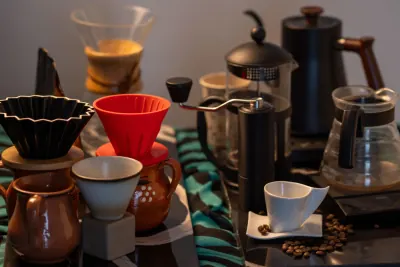 French Press vs Pour-Over: How to ChooseFrench press or pour-over? How immersion and flow-through brewing, metal and paper filters, attention and cleanup differ, and five questions to choose.
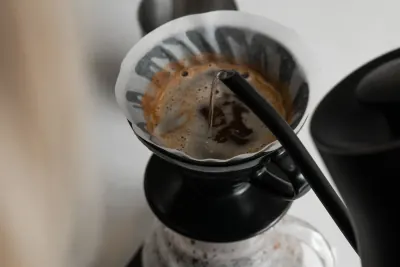 The One-Change Coffee MethodWhen coffee tastes wrong, keep the recipe steady and change one thing for the next brew. Five steps, what to record, and when to stop and check the equipment.
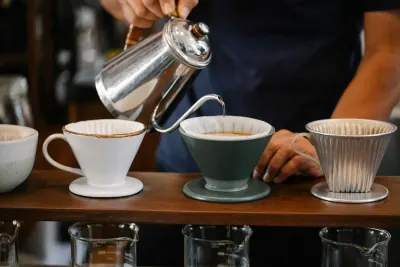 82 Published Coffee Recipes, ComparedEighty-two V60, Chemex, Kalita, French press, AeroPress, Clever, drip, espresso and cold brew recipes, mostly from roasters, on a chart and in one table.
 A Seven-Day Coffee Dial-In PlanSeven mornings, at most one change a day: a baseline, a repeat, the grind, the strength, then time or temperature, ending with a recipe of your own.
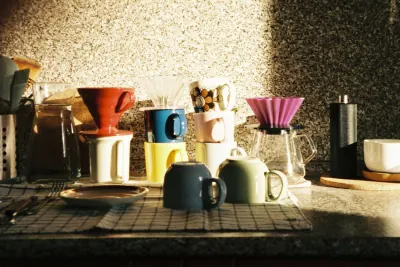 Plan Your Home Coffee SetupTen questions and an optional bag price give you a starting brew method, a grinding decision, the coffee cost per cup and a card to print. No product picks.
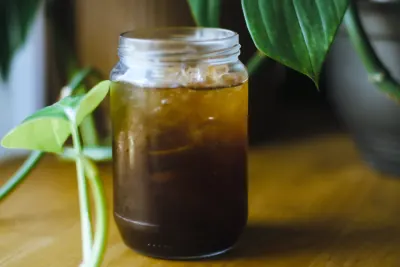 Flash Brew vs Cold BrewFlash brew is brewed hot straight onto ice in minutes; cold brew steeps in cool water for hours. Ratios, timing, and what studies found on acidity and caffeine.
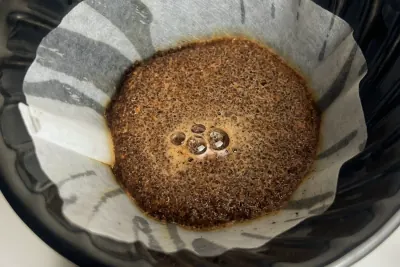 The Coffee Bloom, ExplainedWhat the bloom is, why fresh coffee bubbles when water first hits it, what studies have measured, and how much water and time to give it.
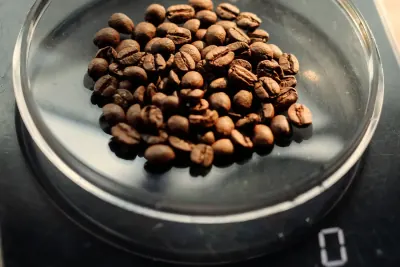 How to Choose a Coffee ScaleWhat to look for in a coffee scale: resolution for your brew, a stated accuracy, enough capacity, a timer, quick readings, a size that fits, and calibration.
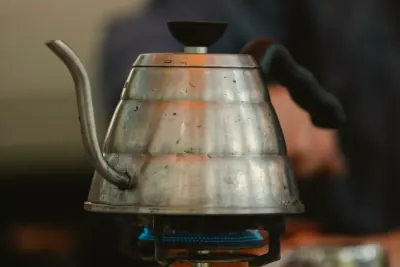 How to Choose a Kettle for CoffeeWhat to look for in a kettle for coffee: a gooseneck spout for pour-over, temperature control, the right capacity, electric or stovetop, and materials.
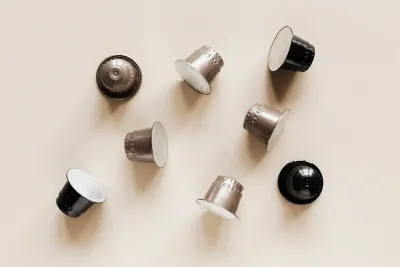 How to Choose Coffee Pods and CapsulesWhat to look for in coffee pods and capsules: the right system, grams for the cup, caffeine as a range, a real recycling route, compost claims and freshness.