
Education
Coffee Guides
Practical, research-based guides organized by the job you are trying to do.
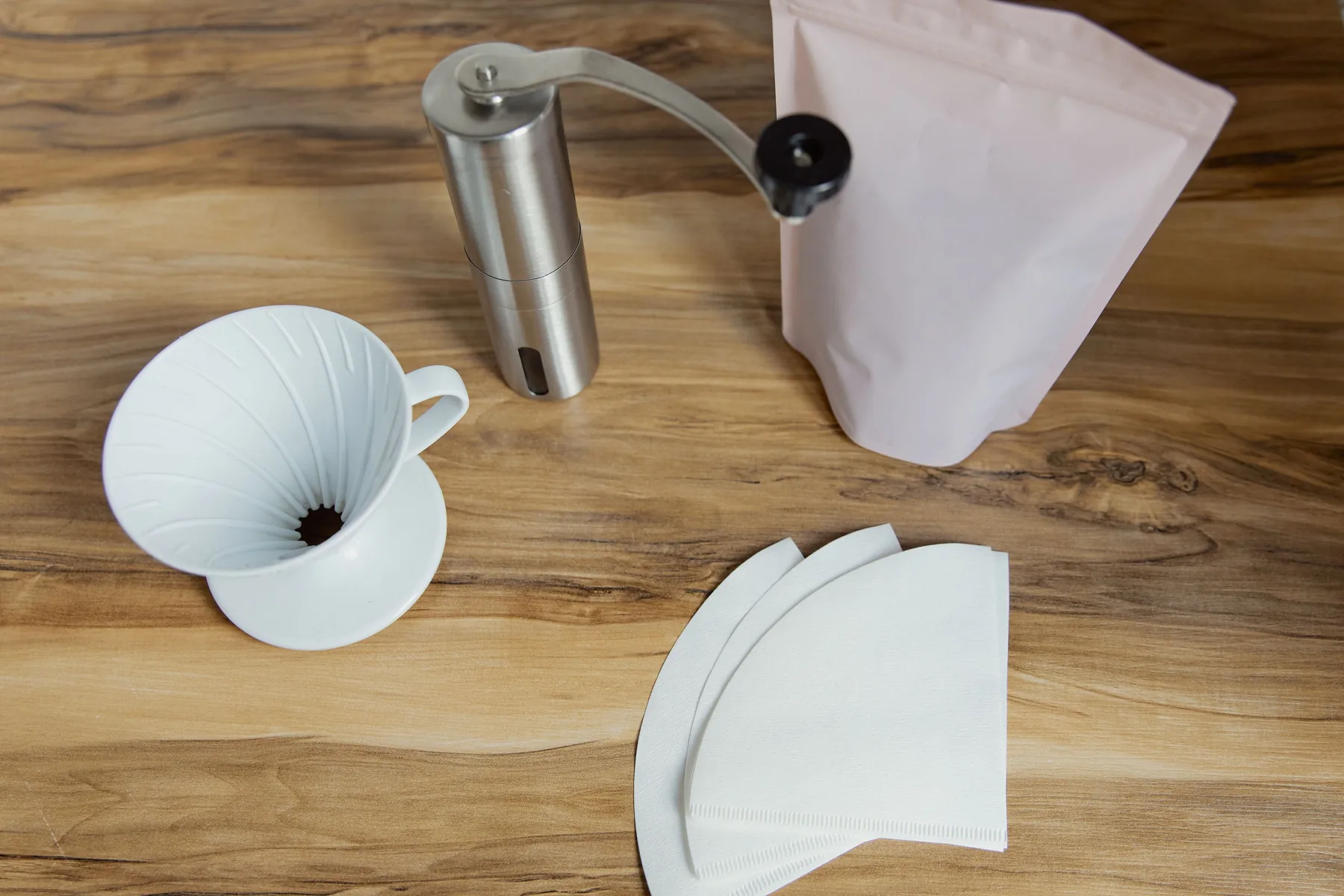
Find the Guide for Your Next Cup
68 guides, grouped below by the job you are trying to do: brew a better cup, choose beans, get the grind right, make a drink, or fix a cup that tastes wrong. Each guide lists its sources; where they disagree, one page lists every comparison. New to brewing at home? Read these in order, then go to the group that matches your next question.
- Coffee-to-Water Ratio Guide Weigh coffee and water: what 1:16 means, and how to make a cup stronger or lighter.
- Coffee Grind Size Chart A starting grind for ten brew methods, and a one-change method to dial in from there.
- Troubleshoot a Cup by Taste When a cup tastes sour, bitter or weak, find the likely cause from the taste.
Start with the Fundamentals
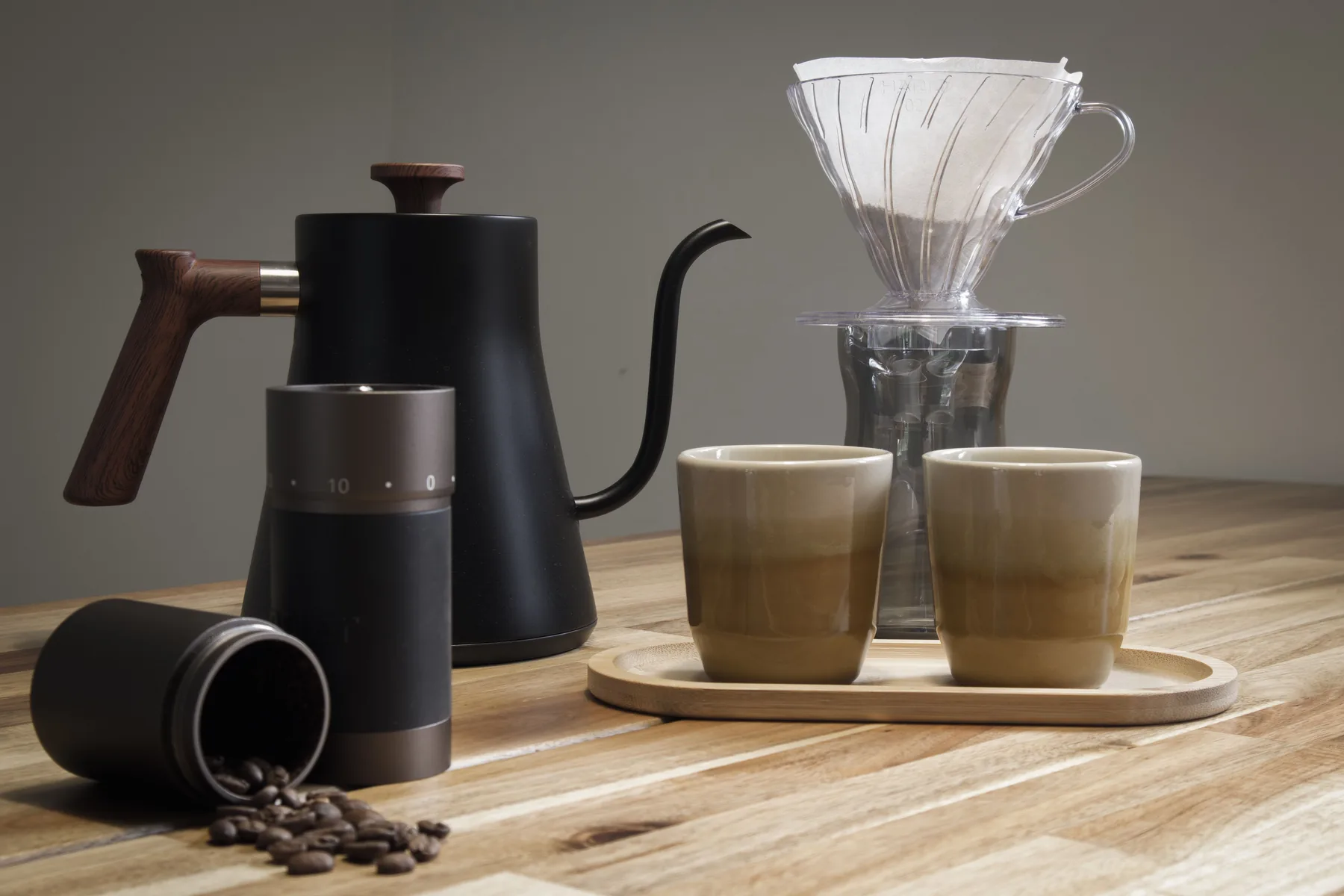
Coffee Brewing EssentialsThe few tools that make home coffee more repeatable: a scale, a kettle you can pour with, a burr grinder, a thermometer and a timer, and what each does.
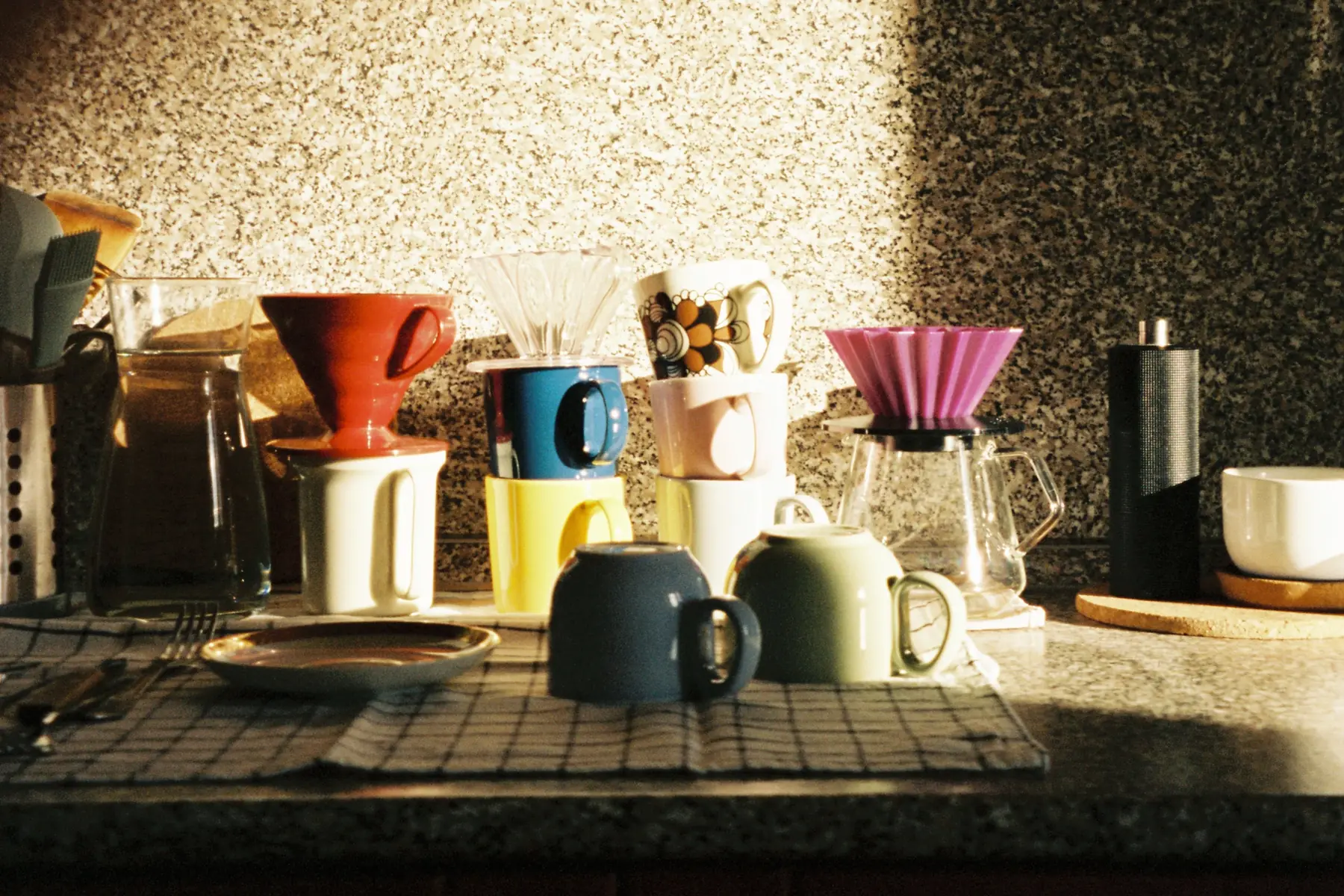
Plan Your Home Coffee SetupTen questions and an optional bag price give you a starting brew method, a grinding decision, the coffee cost per cup and a card to print. No product picks.
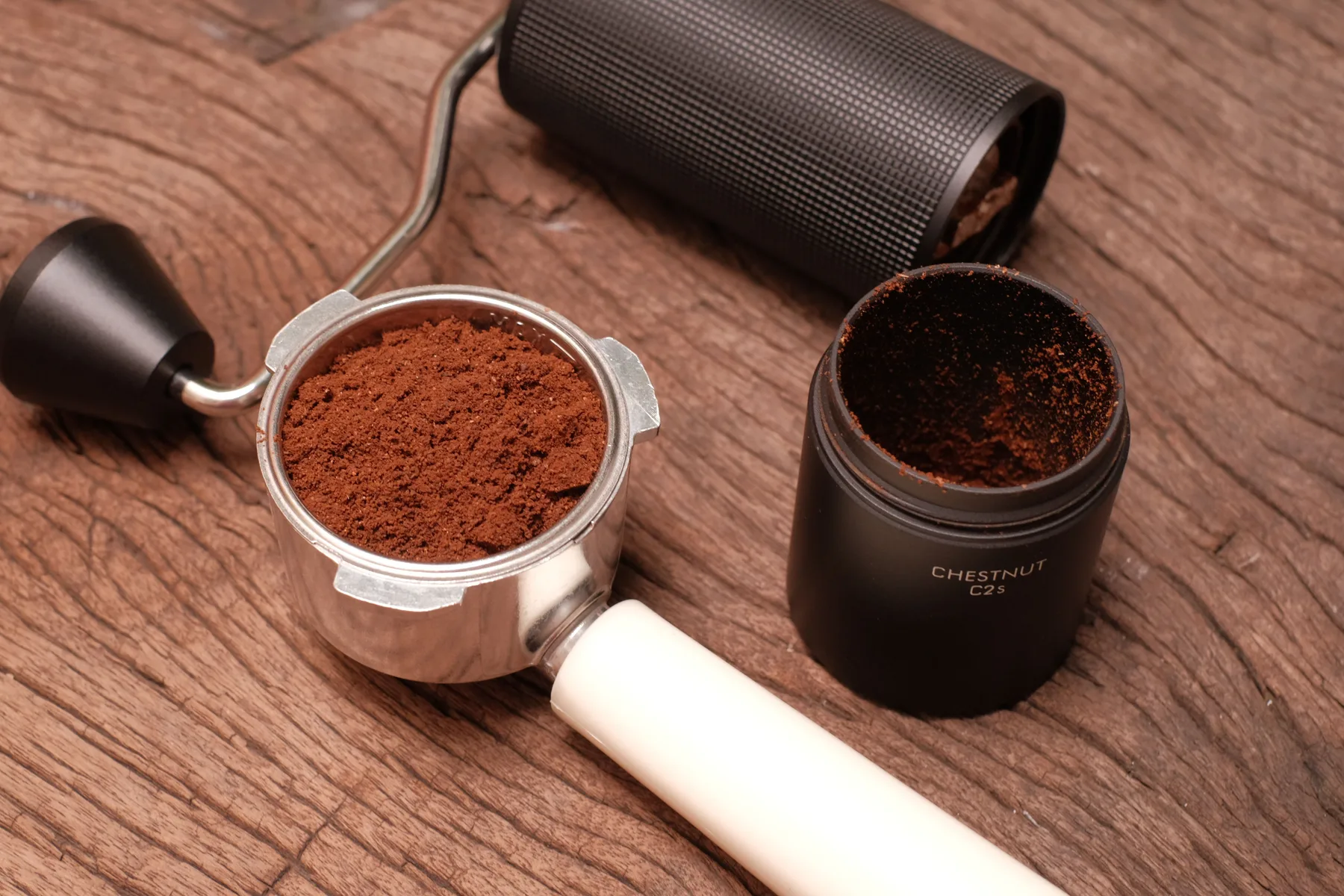
Coffee Grind Size ChartA grind size chart for ten brew methods, from fine for espresso to coarse for cold brew, plus a one-change method to dial in your grinder.
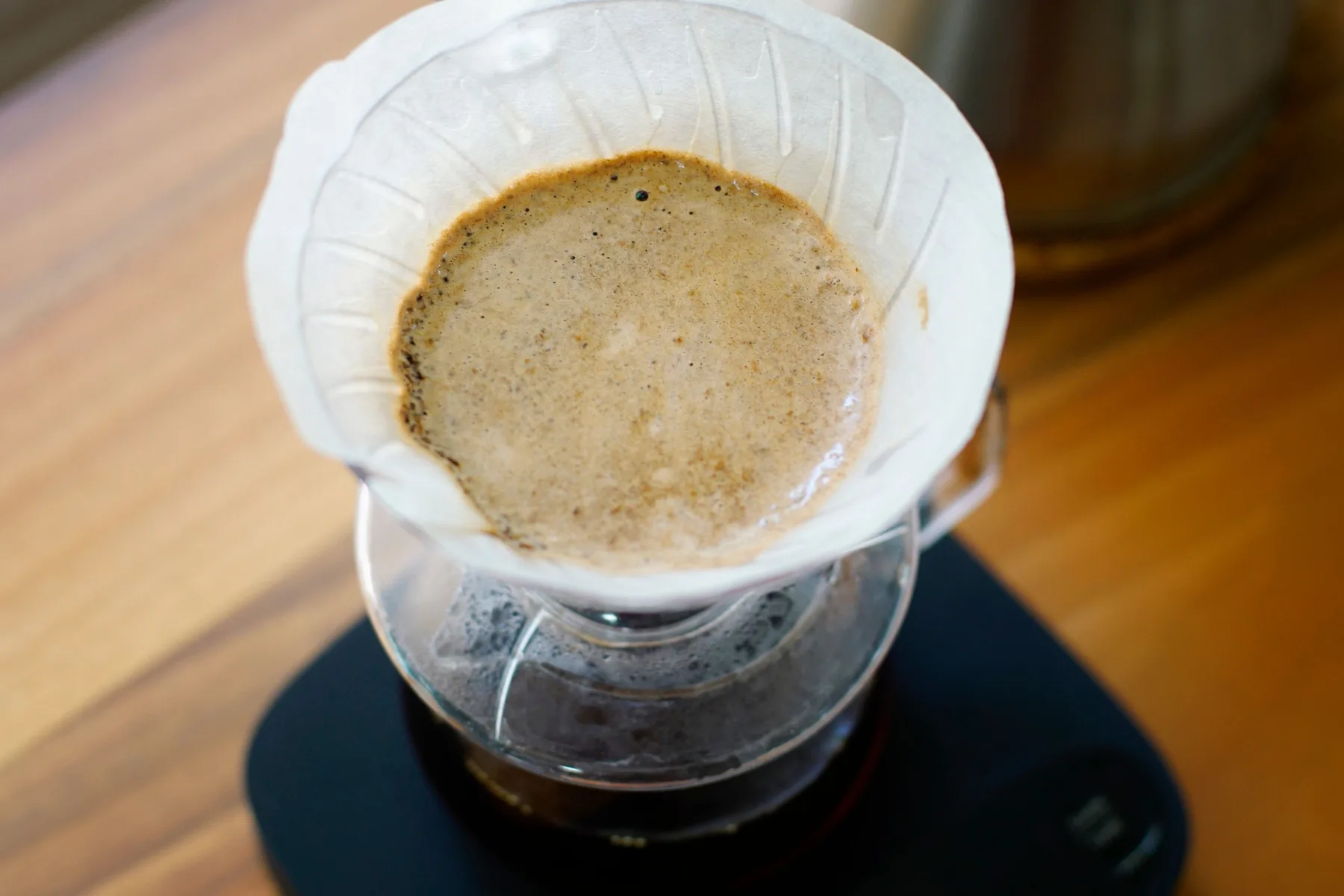
Coffee-to-Water Ratio GuideCoffee-to-water ratios made simple: what 1:16 means, gram tables for common doses, how to scale a recipe, and how to make the cup stronger or lighter.
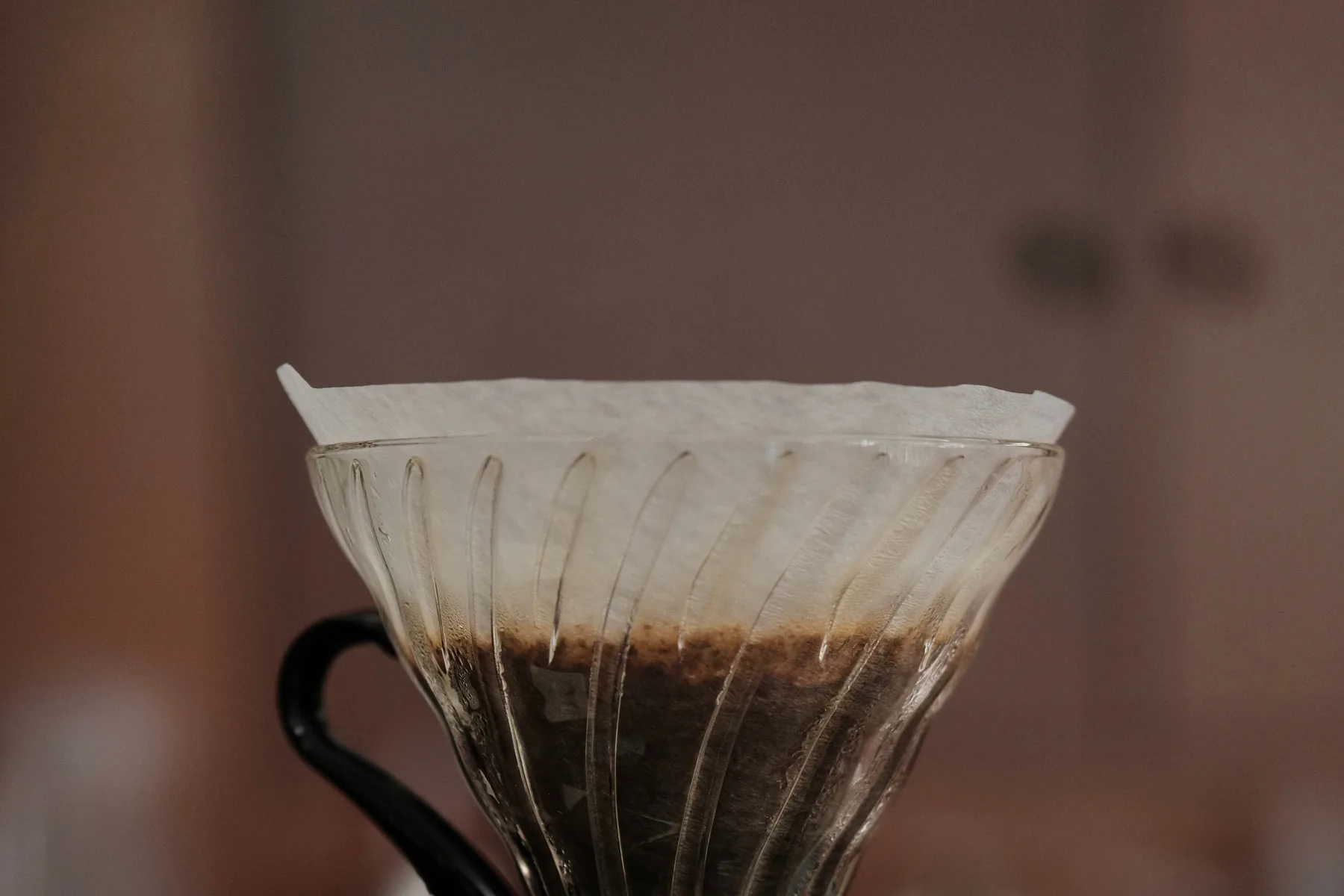
What Is Coffee Extraction?Coffee extraction in plain language: what extraction yield and strength mean, which brewing levers change them, and how to use them to fix a cup.
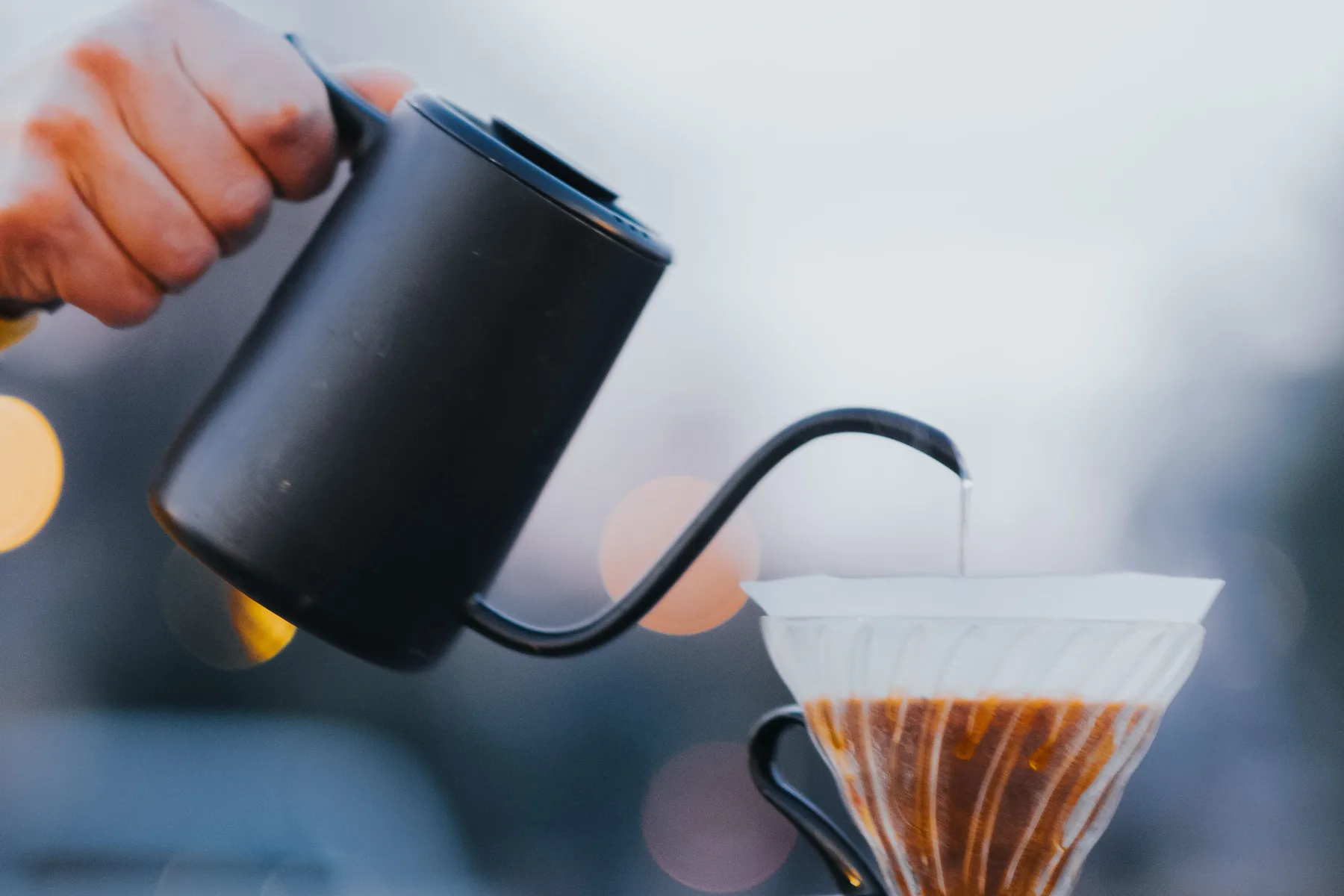
Coffee Water: Quality and TemperatureHow water affects coffee: why minerals and alkalinity matter, why distilled water is not ideal, what temperature to use, and how to test your water.
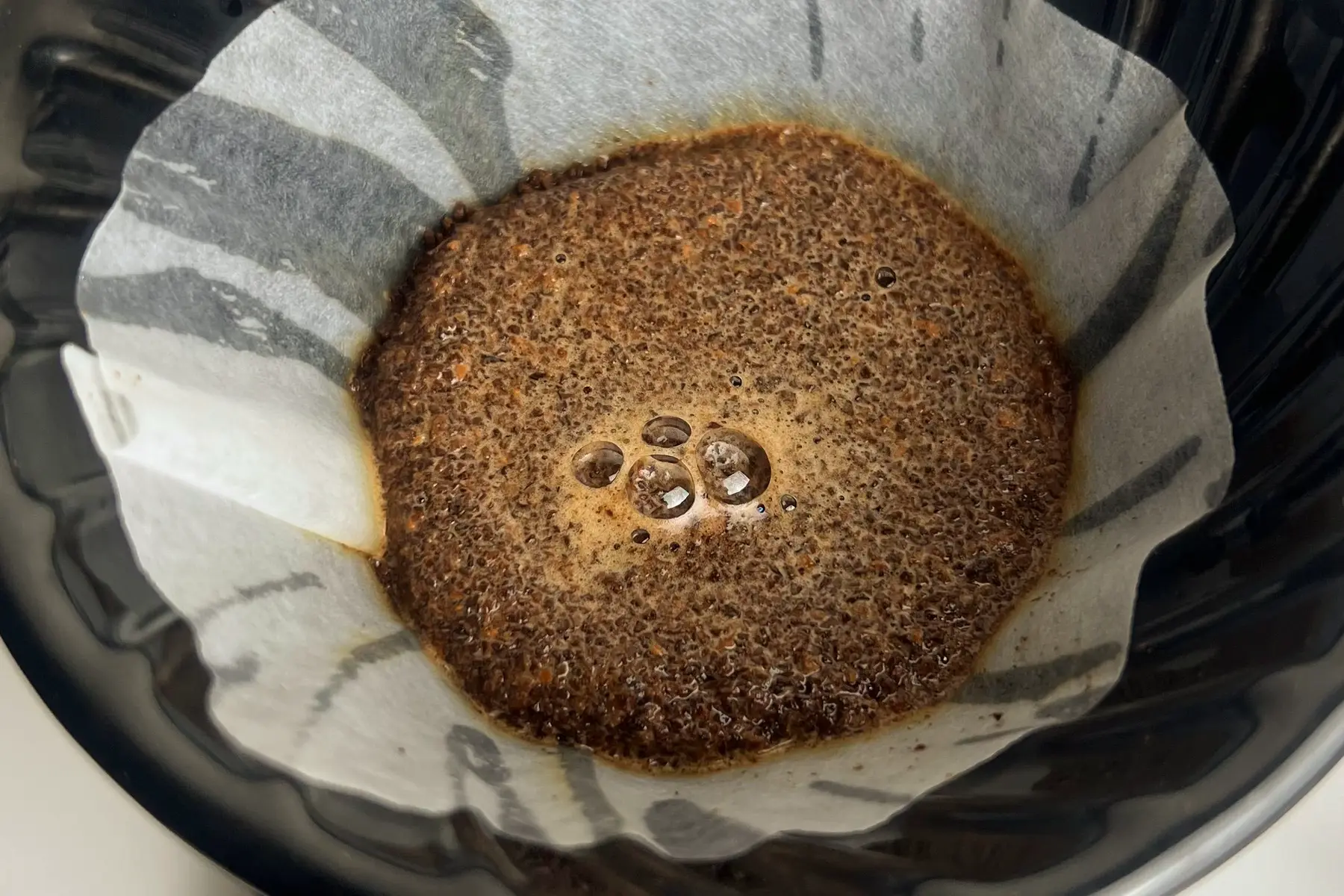
The Coffee Bloom, ExplainedWhat the bloom is, why fresh coffee bubbles when water first hits it, what studies have measured, and how much water and time to give it.
Fix Common Problems
Why Does My Coffee Taste Sour?Why coffee tastes sour and what to change first: tell bright from sour, check how the brew ran, then adjust grind, ratio, water or beans one at a time.
Why Does My Coffee Taste Bitter?Why coffee tastes bitter and what to change first: check the strength, then the grind or brew time, then your equipment and the roast, one change at a time.
Why Does My Coffee Taste Weak or Watery?Why coffee tastes weak or watery and what to fix first: measure the coffee and water, adjust the ratio, then check grind, brew time and your brewer.
The One-Change Coffee MethodWhen coffee tastes wrong, keep the recipe steady and change one thing for the next brew. Five steps, what to record, and when to stop and check the equipment.
A Seven-Day Coffee Dial-In PlanSeven mornings, at most one change a day: a baseline, a repeat, the grind, the strength, then time or temperature, ending with a recipe of your own.
Brew Better Coffee
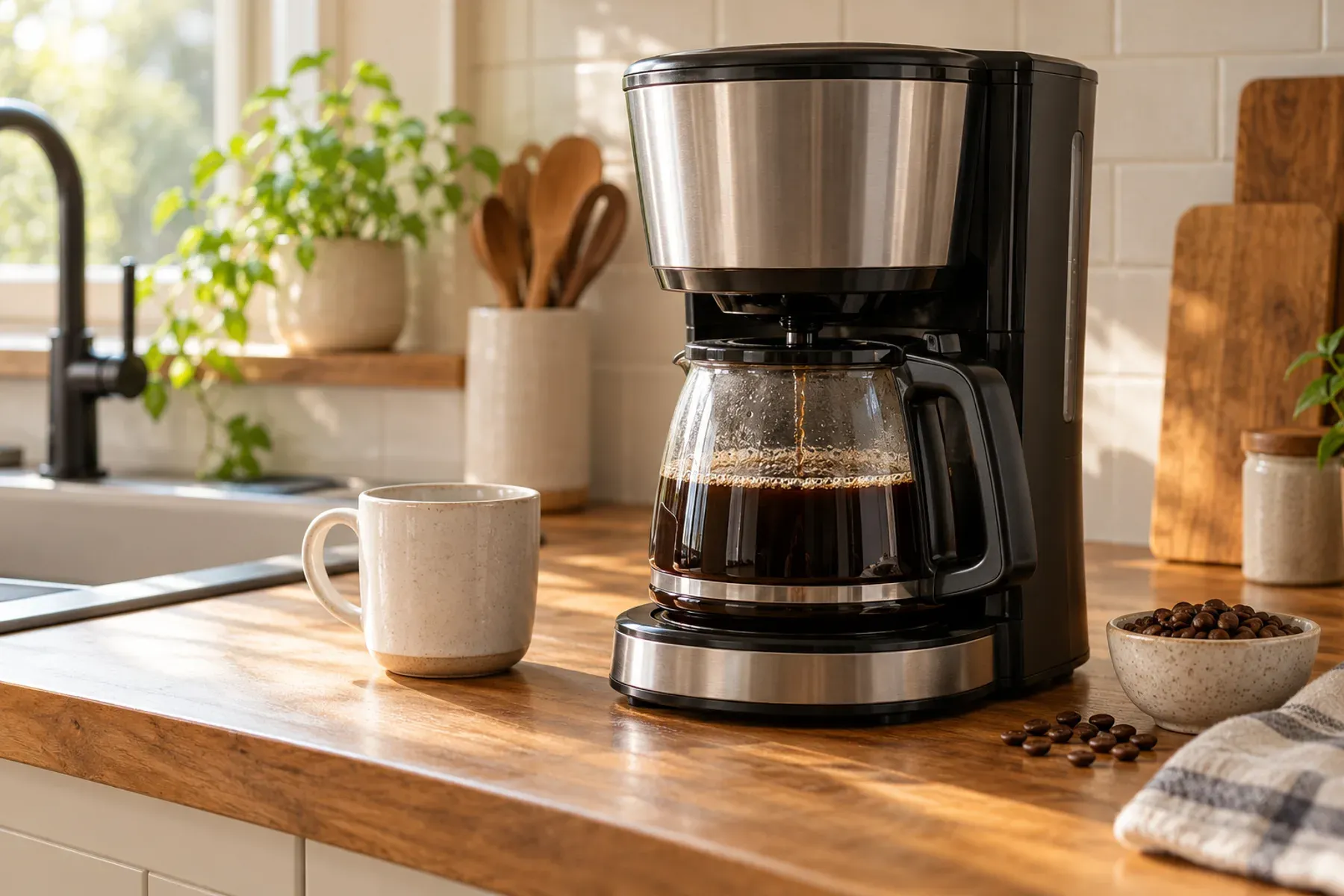
How to Make Better Drip CoffeeMake better drip coffee at home: start at 1:16, about 62 g of coffee per liter, taste the pot, then change one thing at a time: ratio, grind, water or machine.
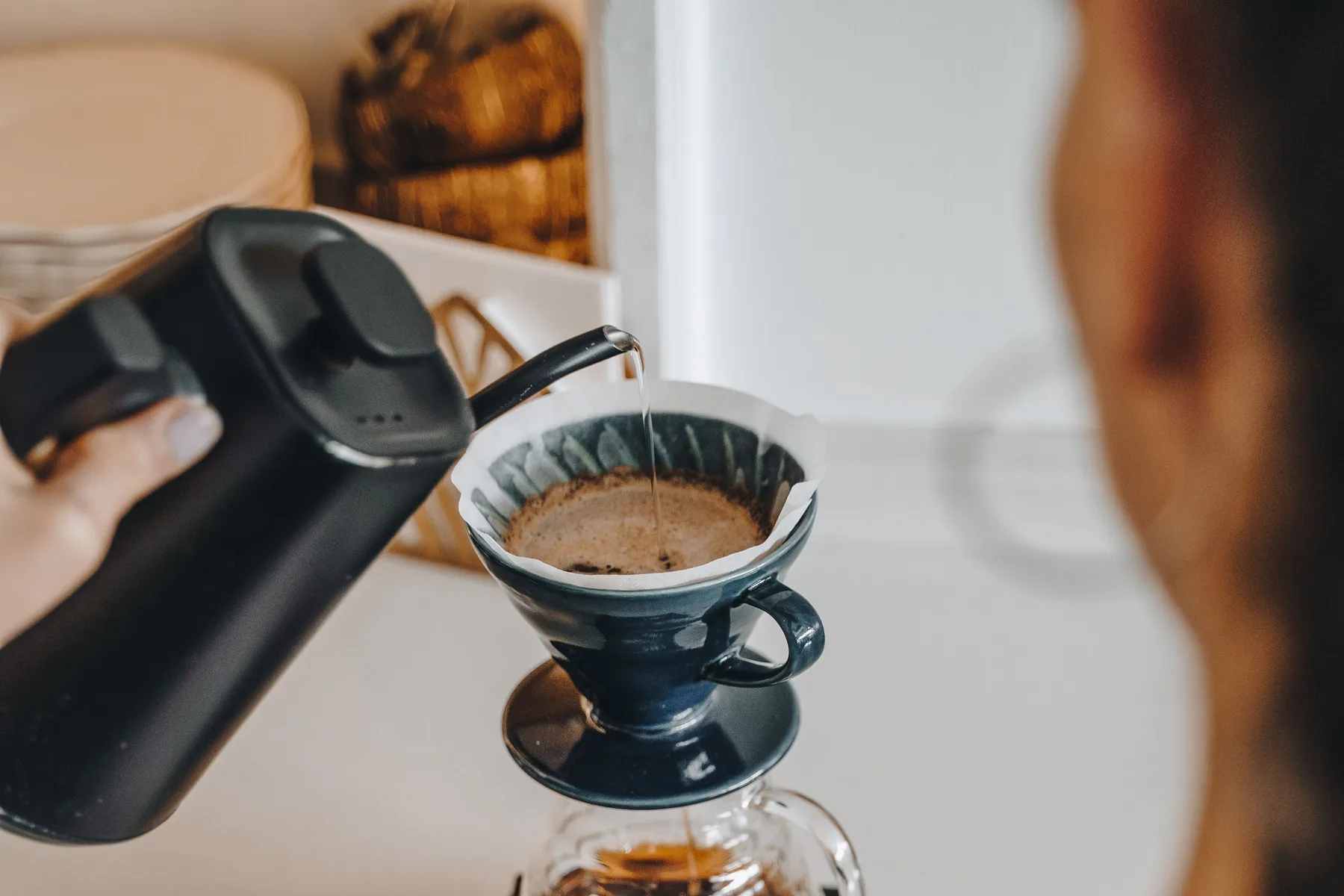
How to Make Pour-Over CoffeeA simple pour-over method: 20 g of medium-fine coffee to 320 g of water, a short bloom and two pours, with one-change fixes for sour or harsh cups.
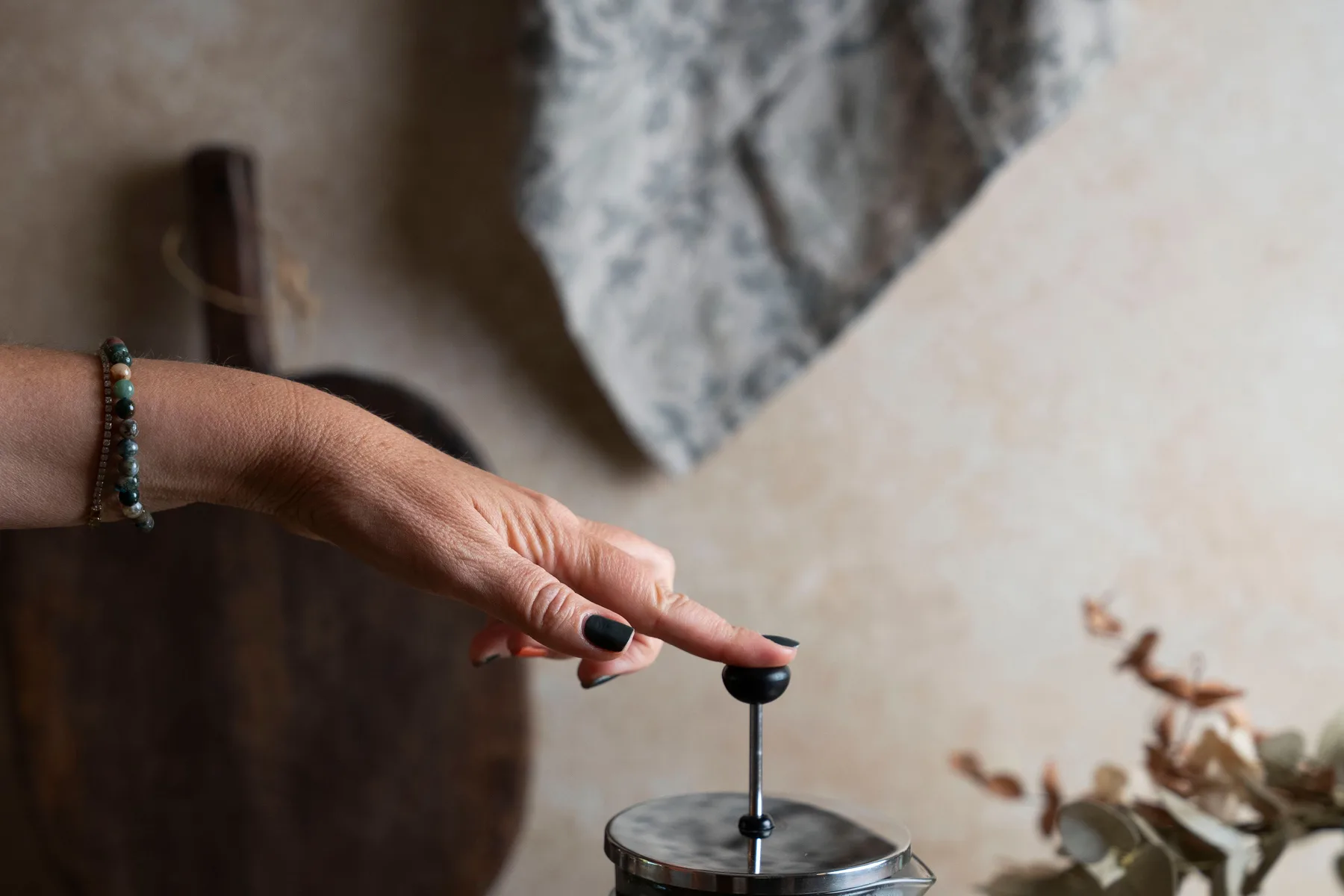
How to Make French Press CoffeeA simple French press method: 20 g of medium-coarse coffee to 300 g of water, two gentle pours and about 4 minutes to the plunge.
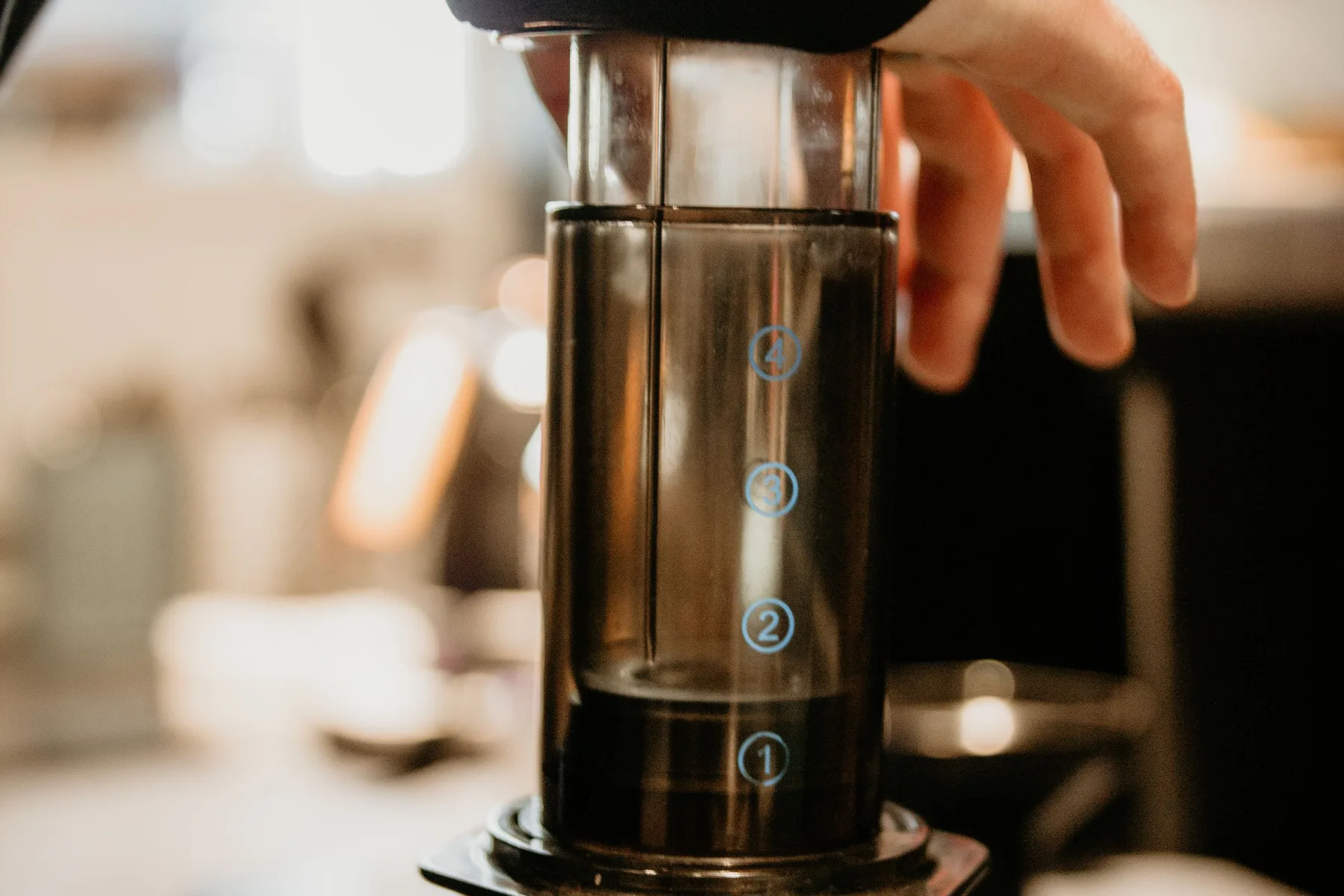
How to Make AeroPress CoffeeA simple AeroPress method from the maker’s own instructions: 17 g of medium-fine coffee, water to the 4 mark, a 30-second wait and a gentle press.
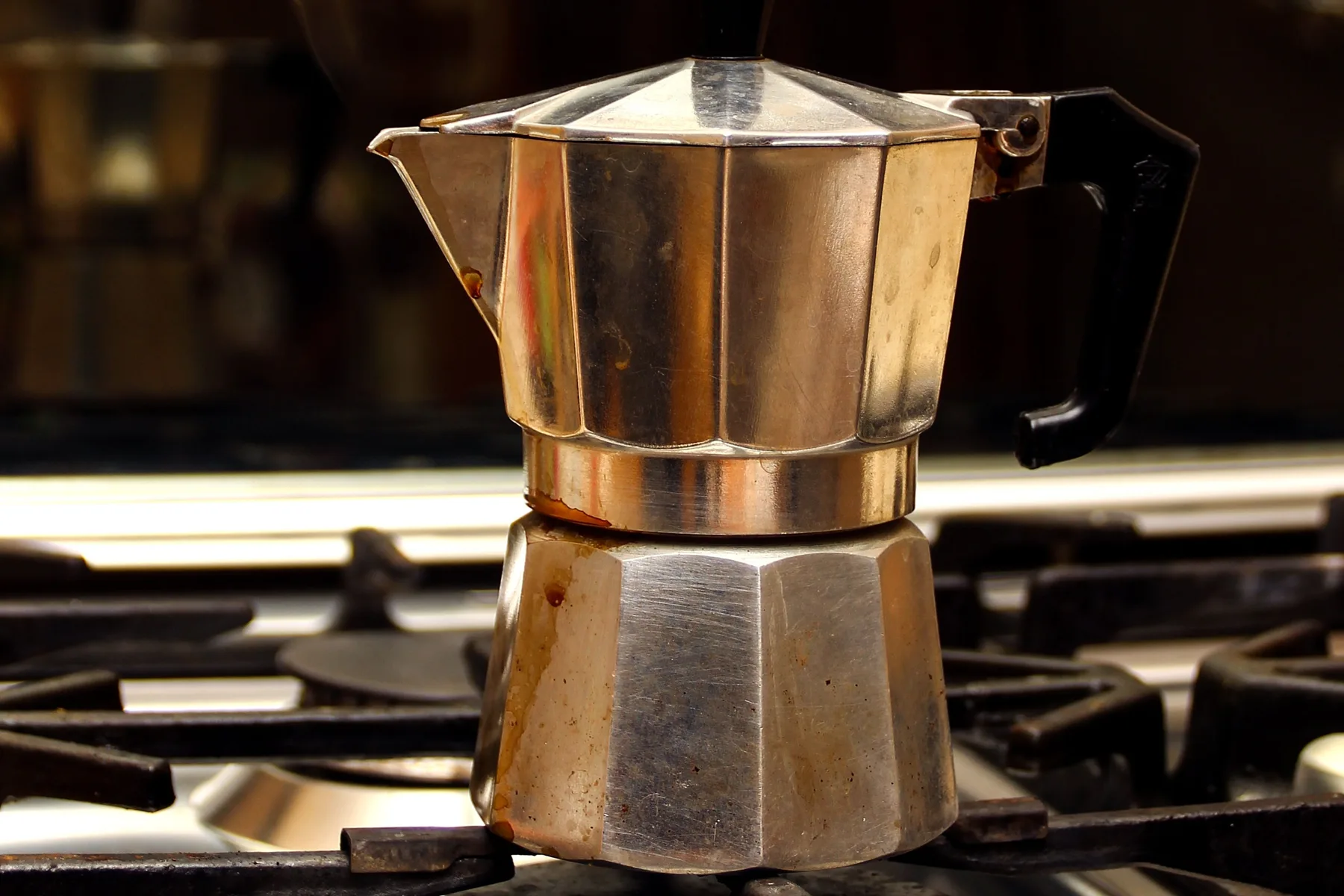
How to Use a Moka PotA simple moka pot method from Bialetti’s instructions: water to the valve, a loosely filled, unpressed basket, gentle heat, and the safety checks that matter.
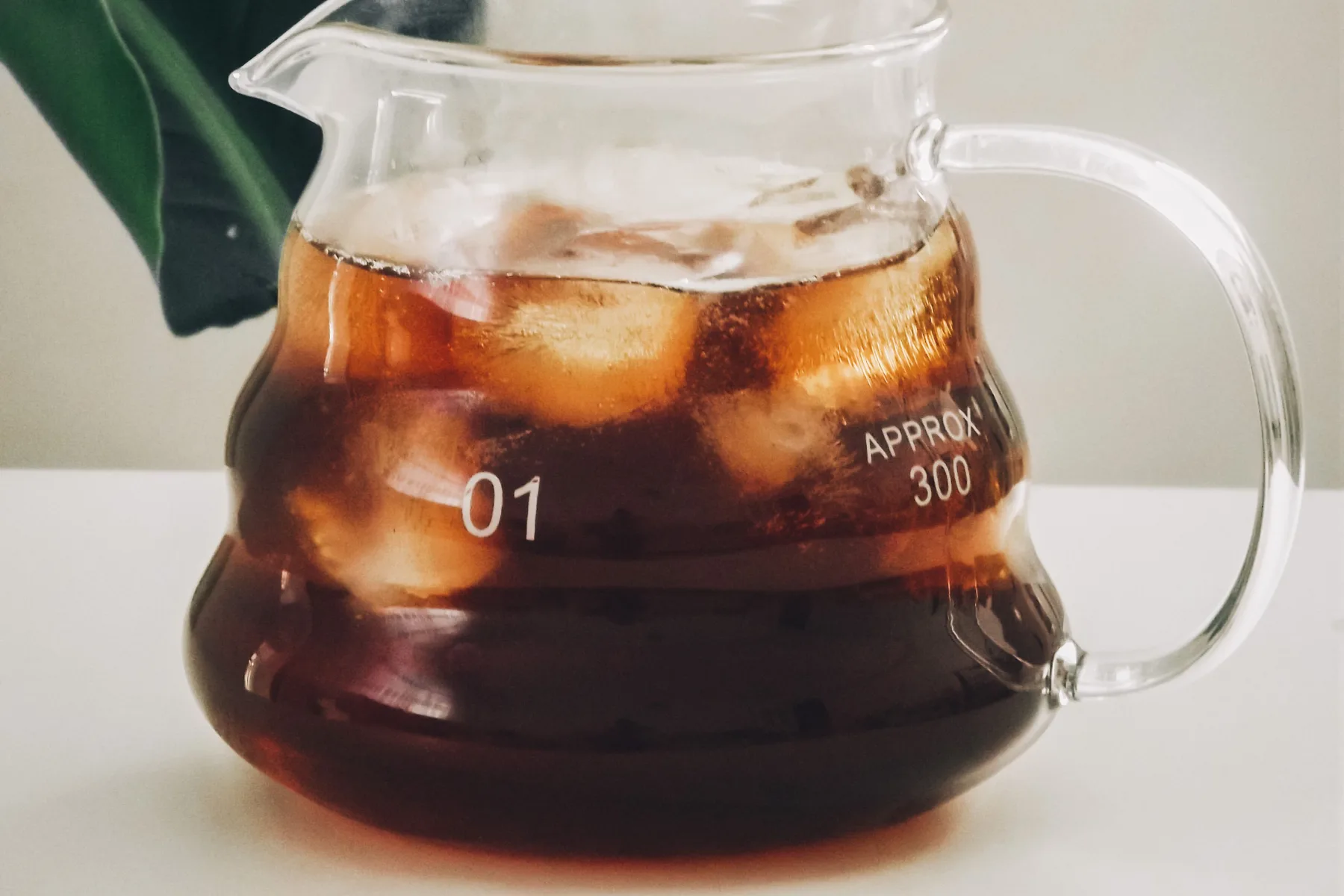
How to Make Cold Brew at HomeA simple cold brew method from a published tasting study: 60 g of coarse coffee to 700 g of water, about 14 hours at room temperature, then strain and chill.
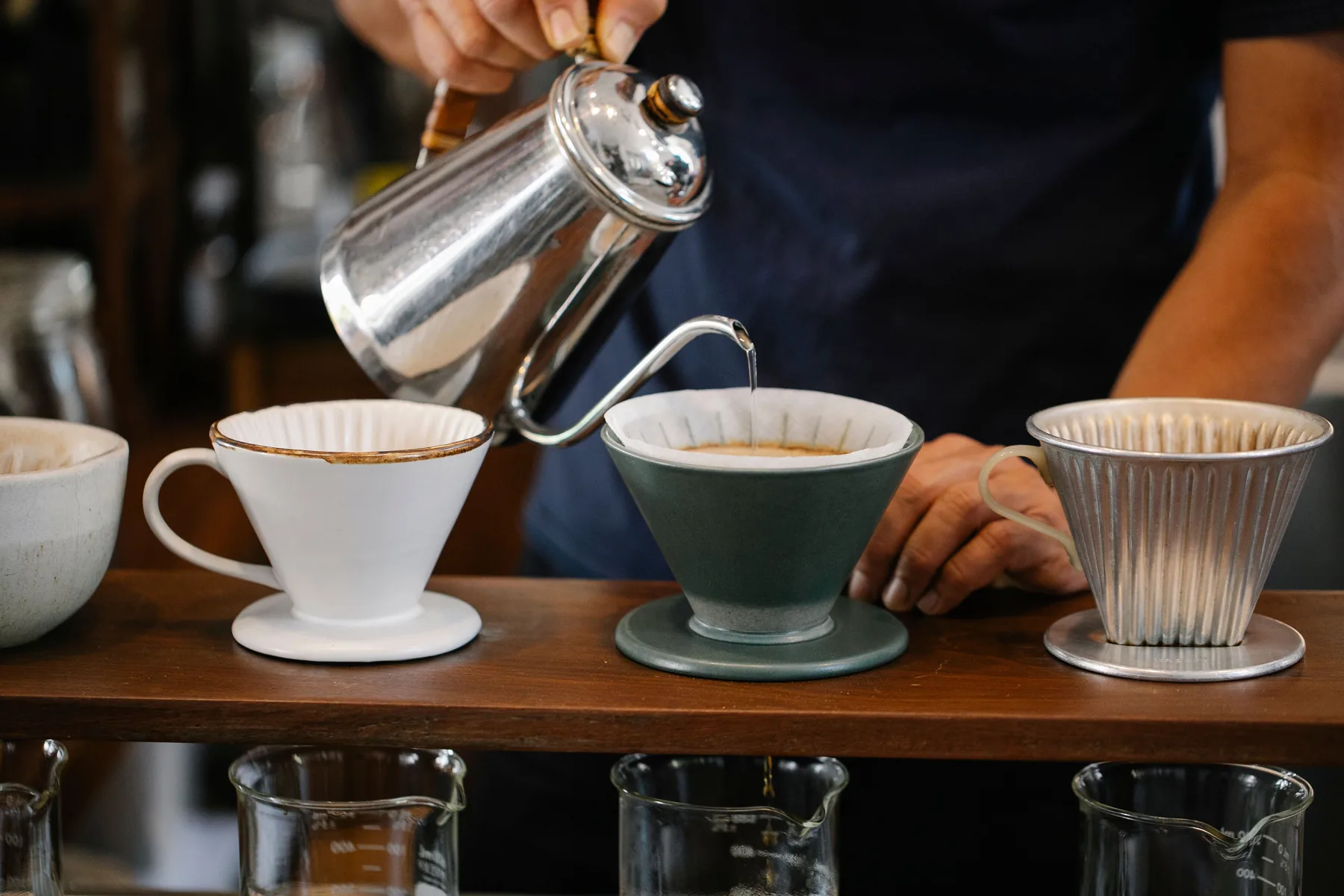
82 Published Coffee Recipes, ComparedEighty-two V60, Chemex, Kalita, French press, AeroPress, Clever, drip, espresso and cold brew recipes, mostly from roasters, on a chart and in one table.
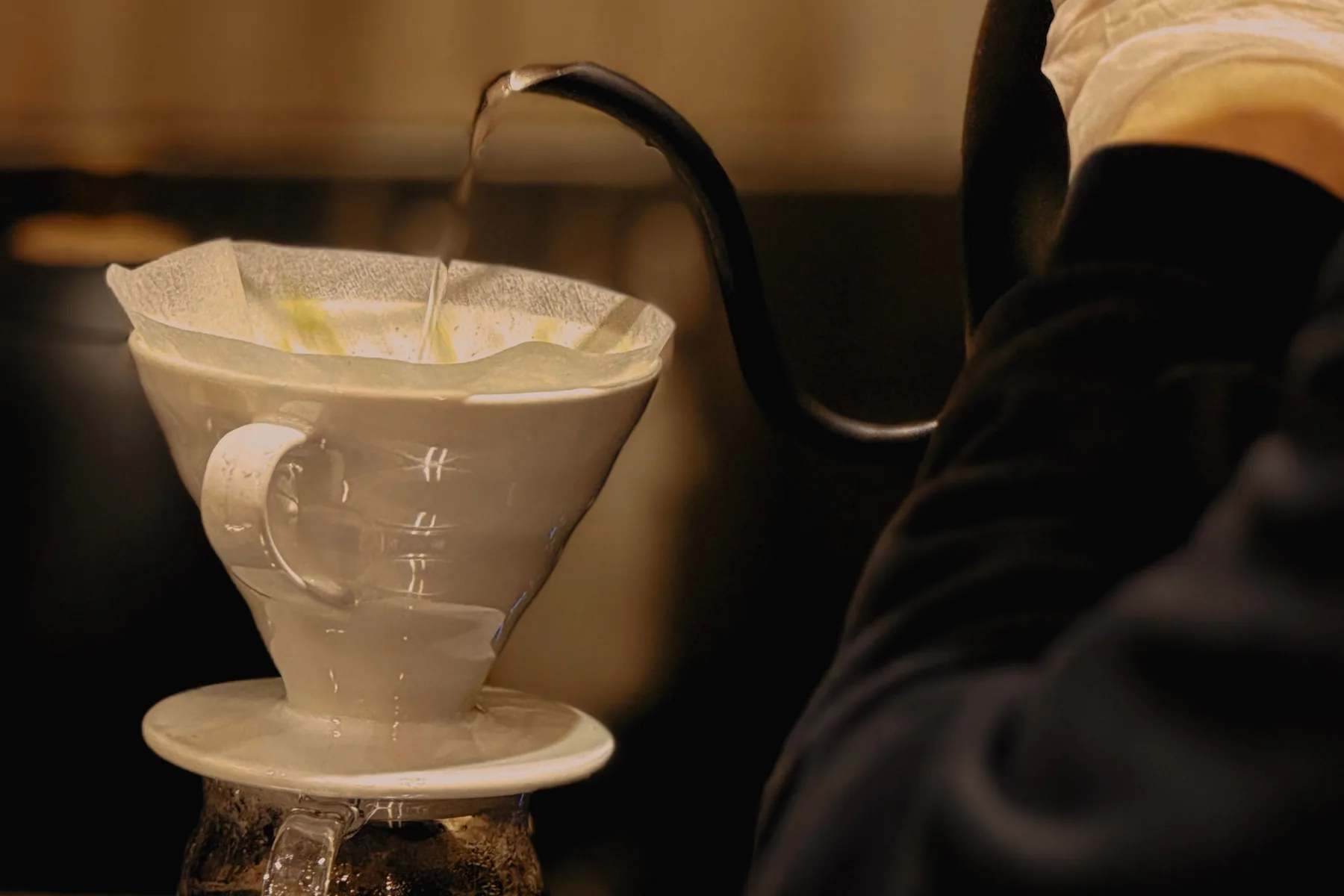
How to Brew With a Hario V60How to brew with a V60: our 20 g to 320 g baseline, how its spiral ridges and open flow let you steer the cup, and Hario’s recipe and two others compared.
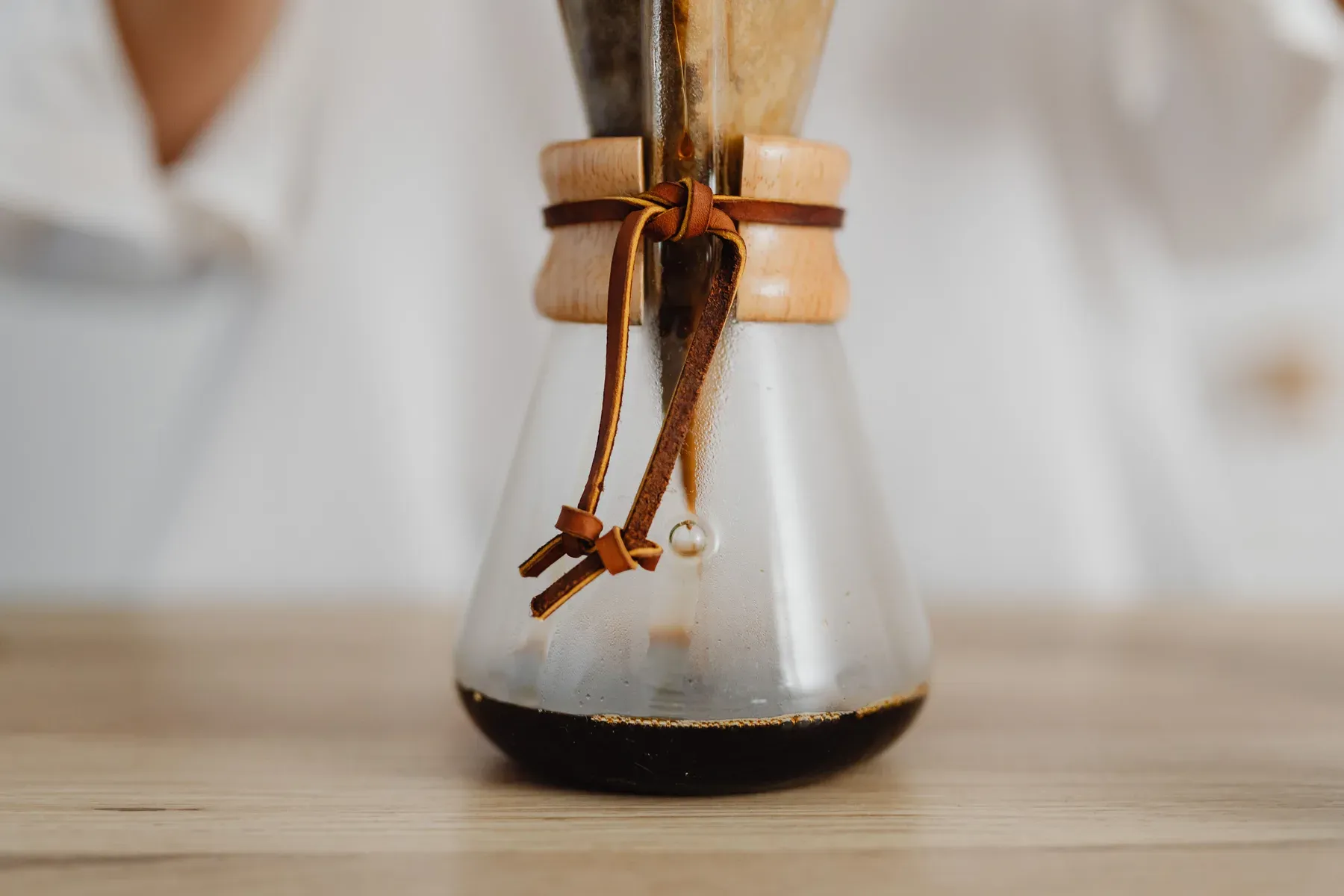
How to Brew With a ChemexHow to brew with a Chemex: our 30 g to 480 g baseline, why the thick three-layer side of the filter faces the spout, a coarser grind, and the maker’s steps.
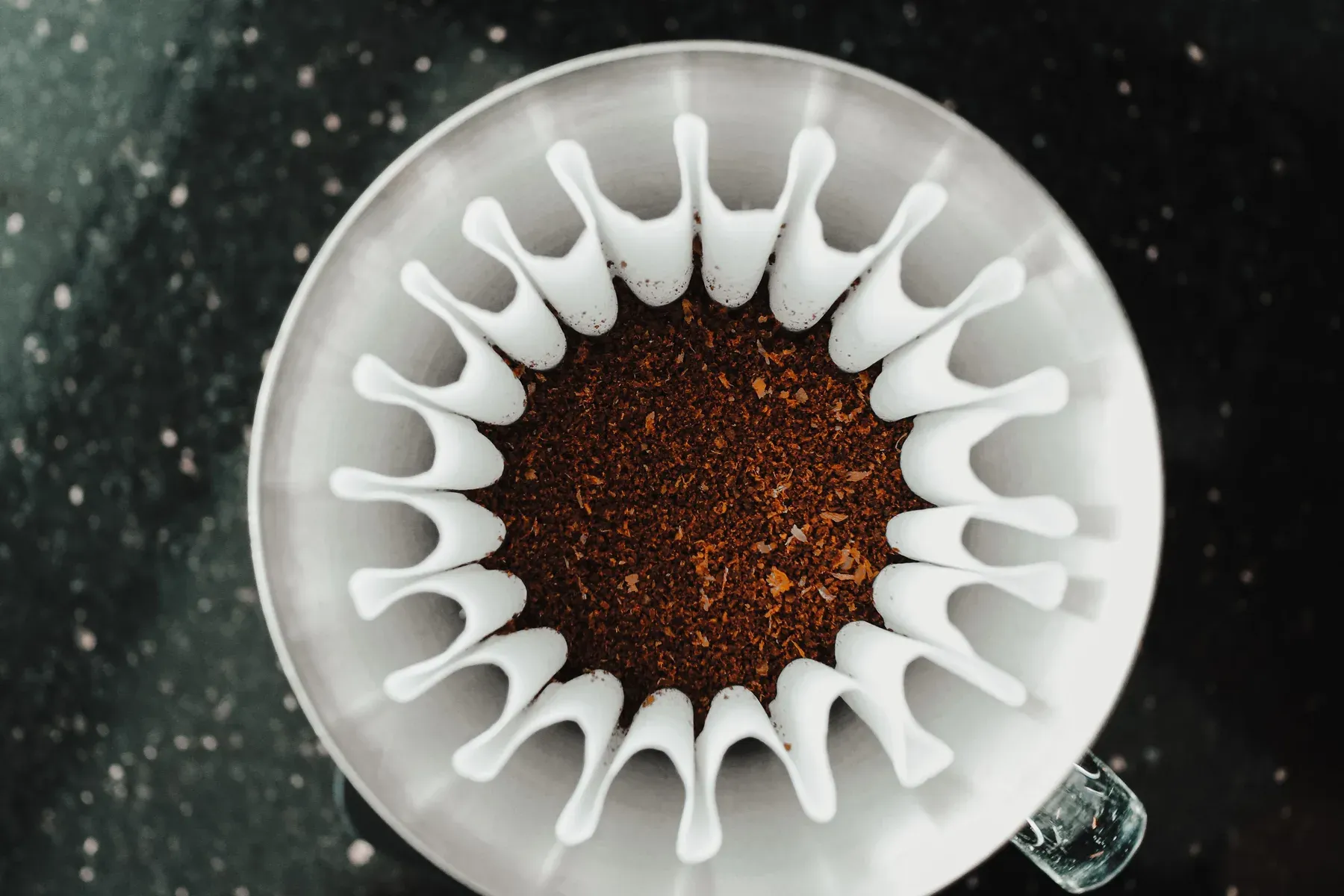
How to Brew With a Kalita WaveHow to brew with a Kalita Wave: our 20 g to 320 g baseline, what its flat bed, three small holes and wave filter do, and three recipes side by side.
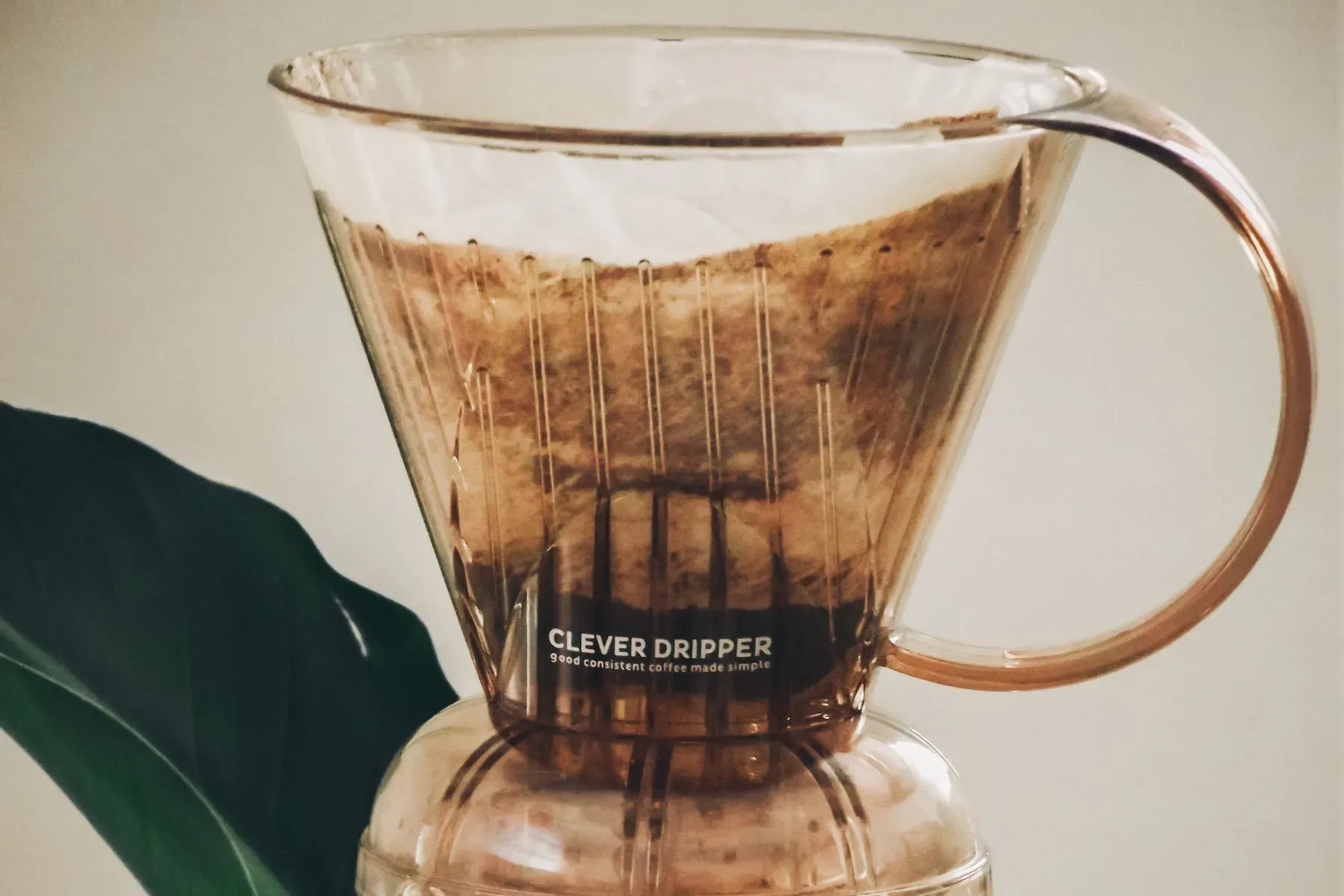
How to Brew With a Clever DripperHow a Clever Dripper works: it steeps like a French press, then drains through paper when you set it on a cup. Our 1:16 baseline and three recipes compared.
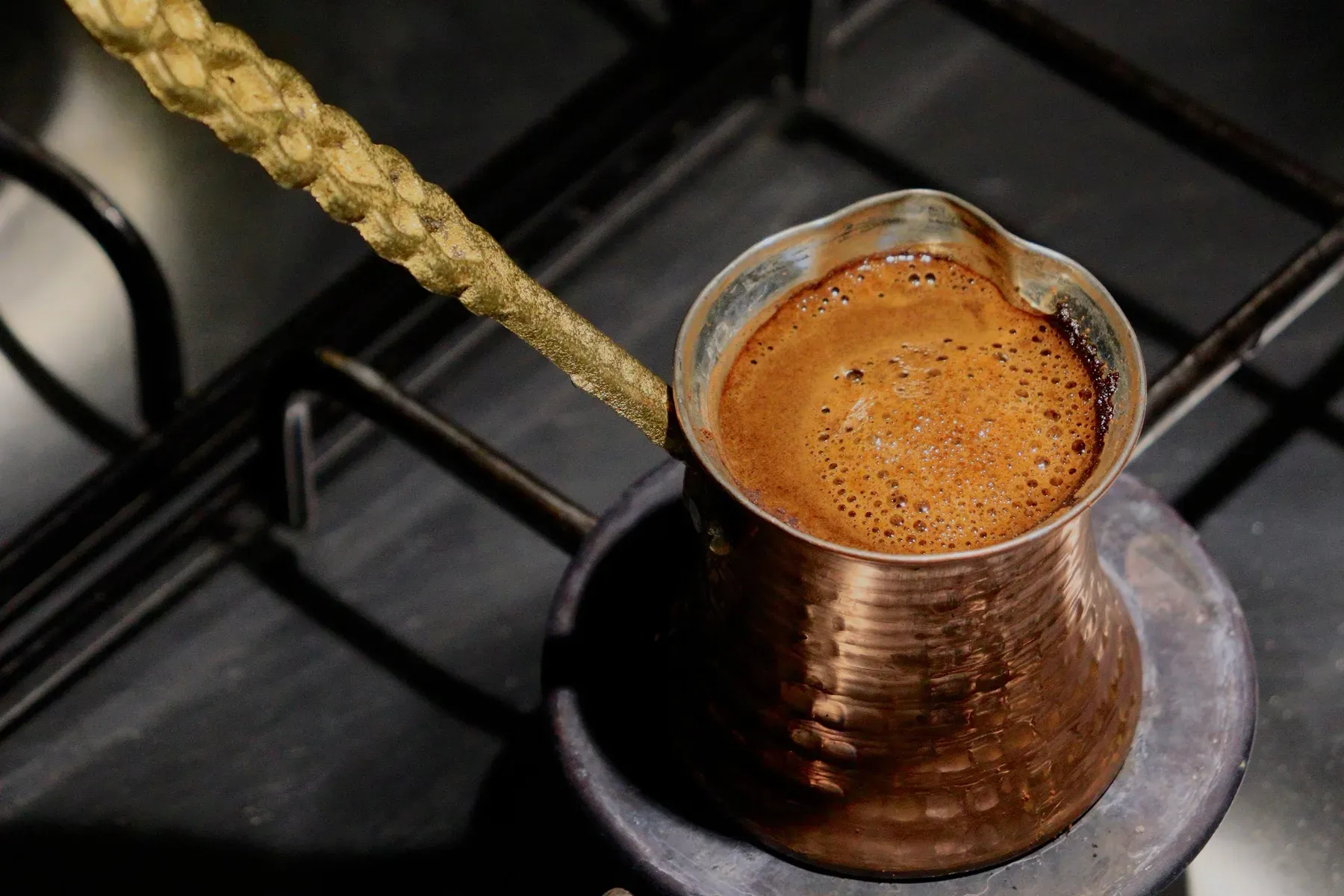
How to Make Turkish CoffeeHow to make Turkish coffee in a cezve: very fine coffee, cold water and sugar heated slowly until it foams, served in small cups with a glass of water.
Choose and Use a Grinder
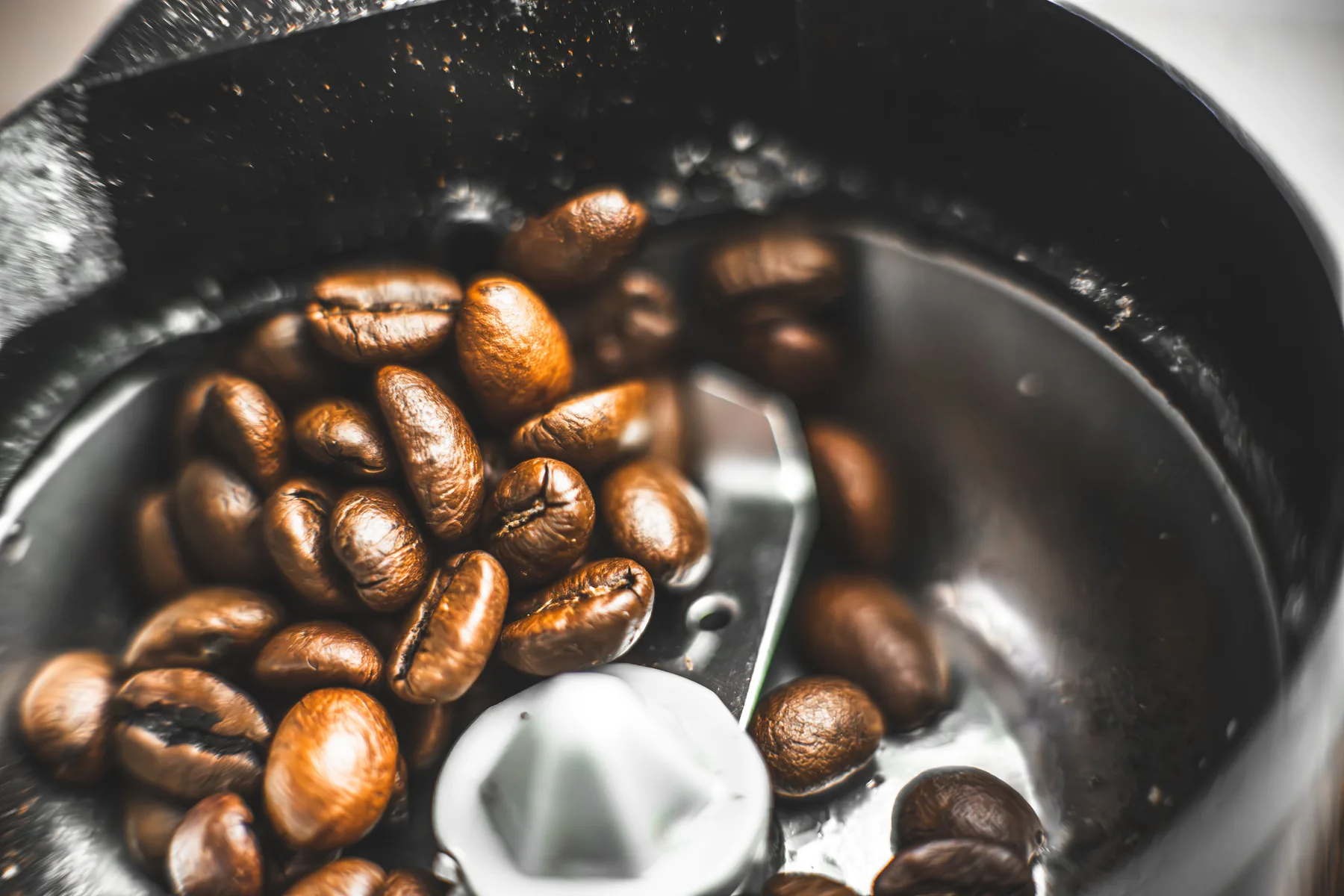
Burr vs Blade Grinders ExplainedHow blade and burr coffee grinders work, why an even grind matters, and how to get more even grounds from the grinder you already own.
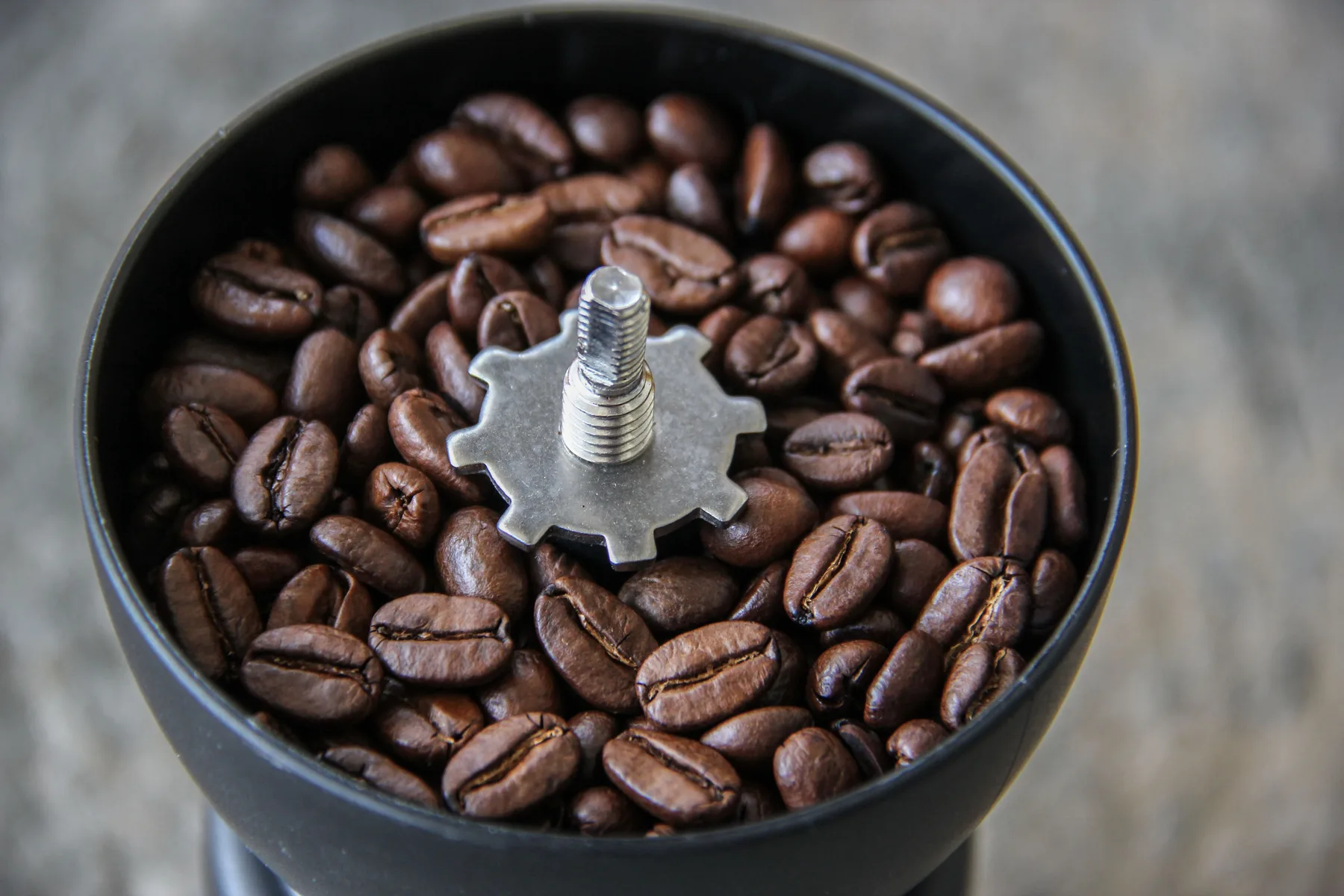
Stepped vs Stepless Grinders ExplainedWhat stepped and stepless grind adjustment mean, why espresso cares more than filter coffee, and how to find and record a setting you can return to.
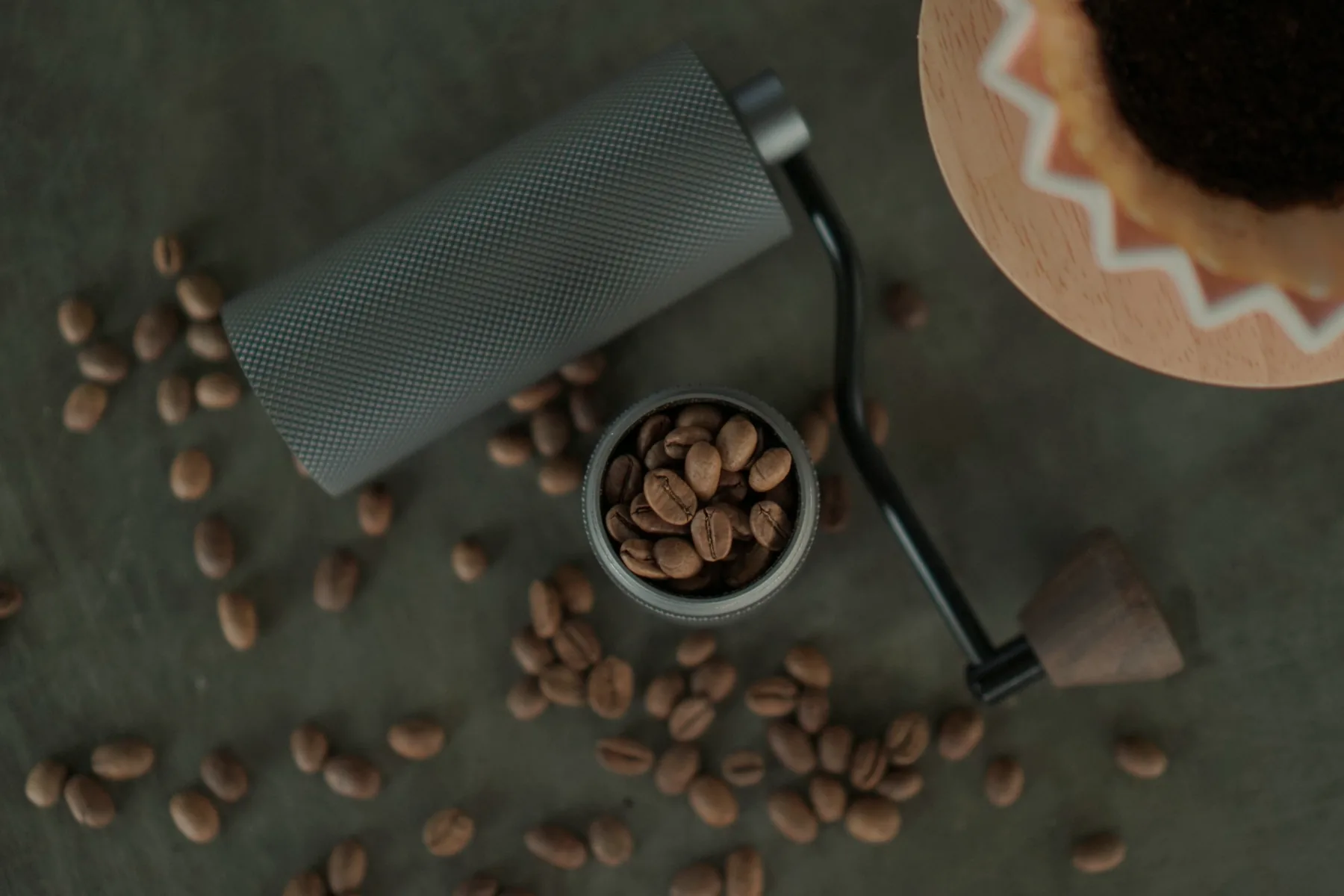
Hand Grinders for Filter CoffeeWhat matters in a hand coffee grinder for pour-over, drip and French press: burrs, grind range, repeatable steps, dose size and easy cleaning.
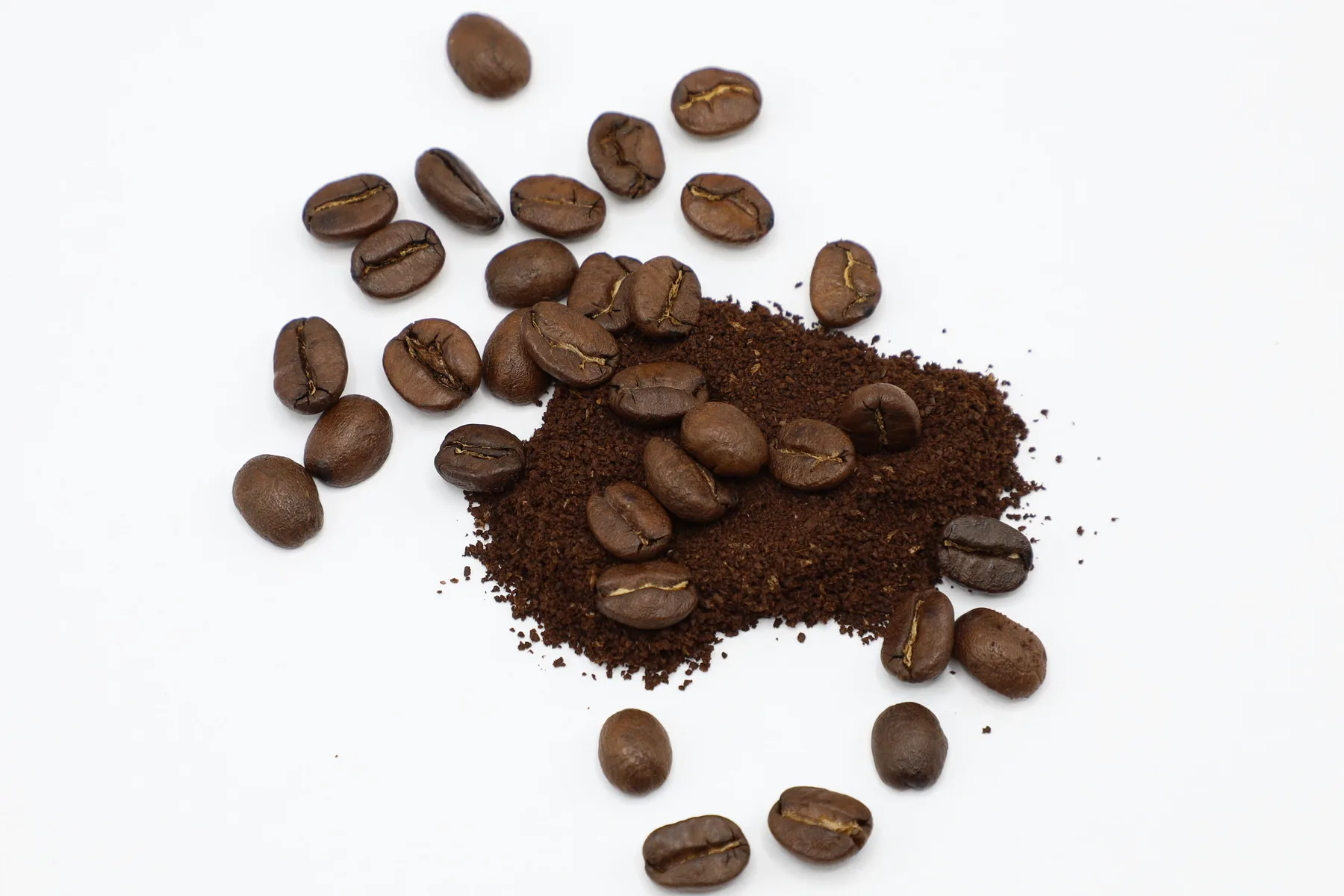
Grinder Retention and Grind ConsistencyWhat grinder retention and grind consistency mean, when they matter at home, and simple steps to keep old grounds and static out of your next cup.
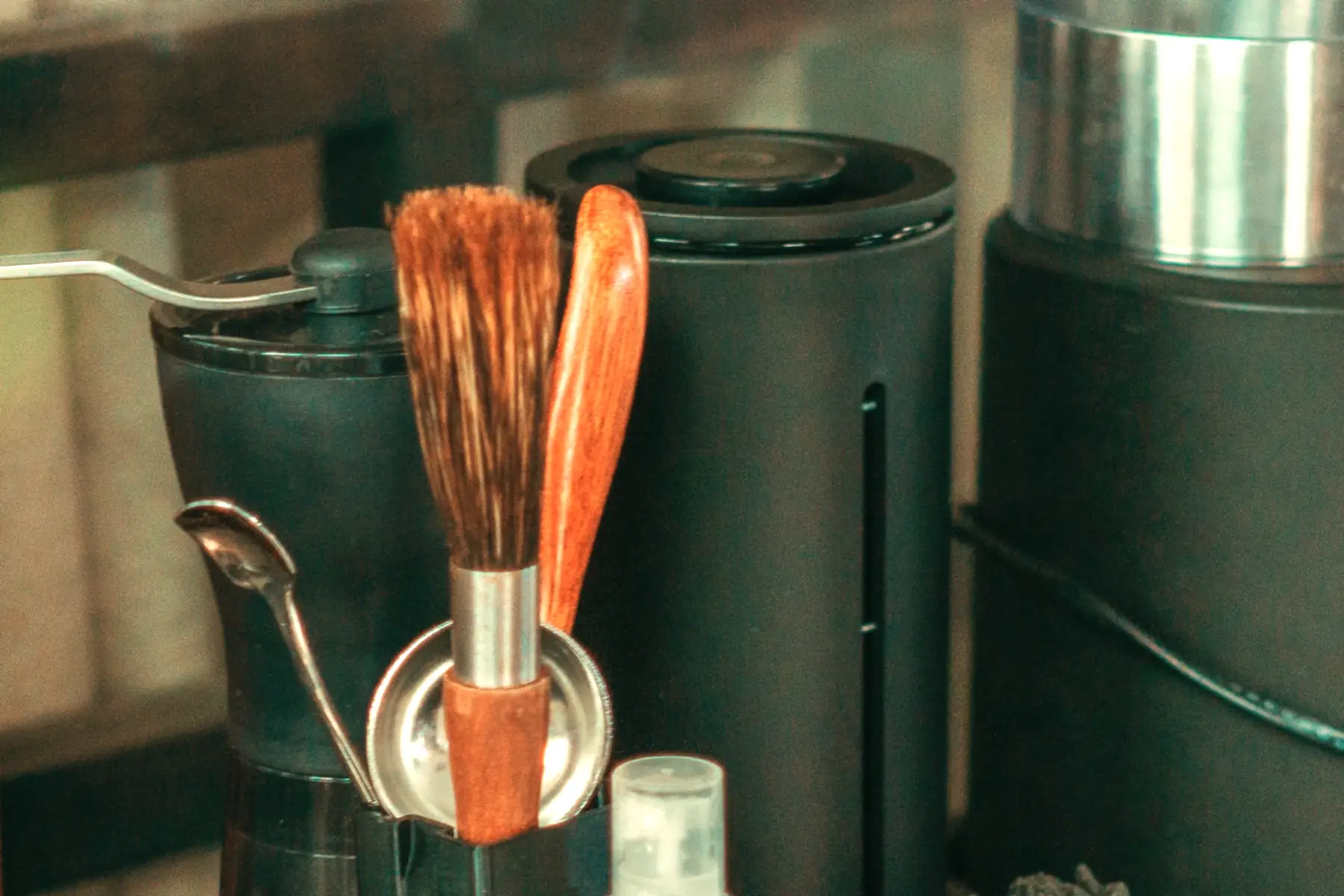
How to Clean a Coffee GrinderA simple routine for cleaning burr and blade coffee grinders: what to brush, what you can wash, what must stay dry, and how often to do it.
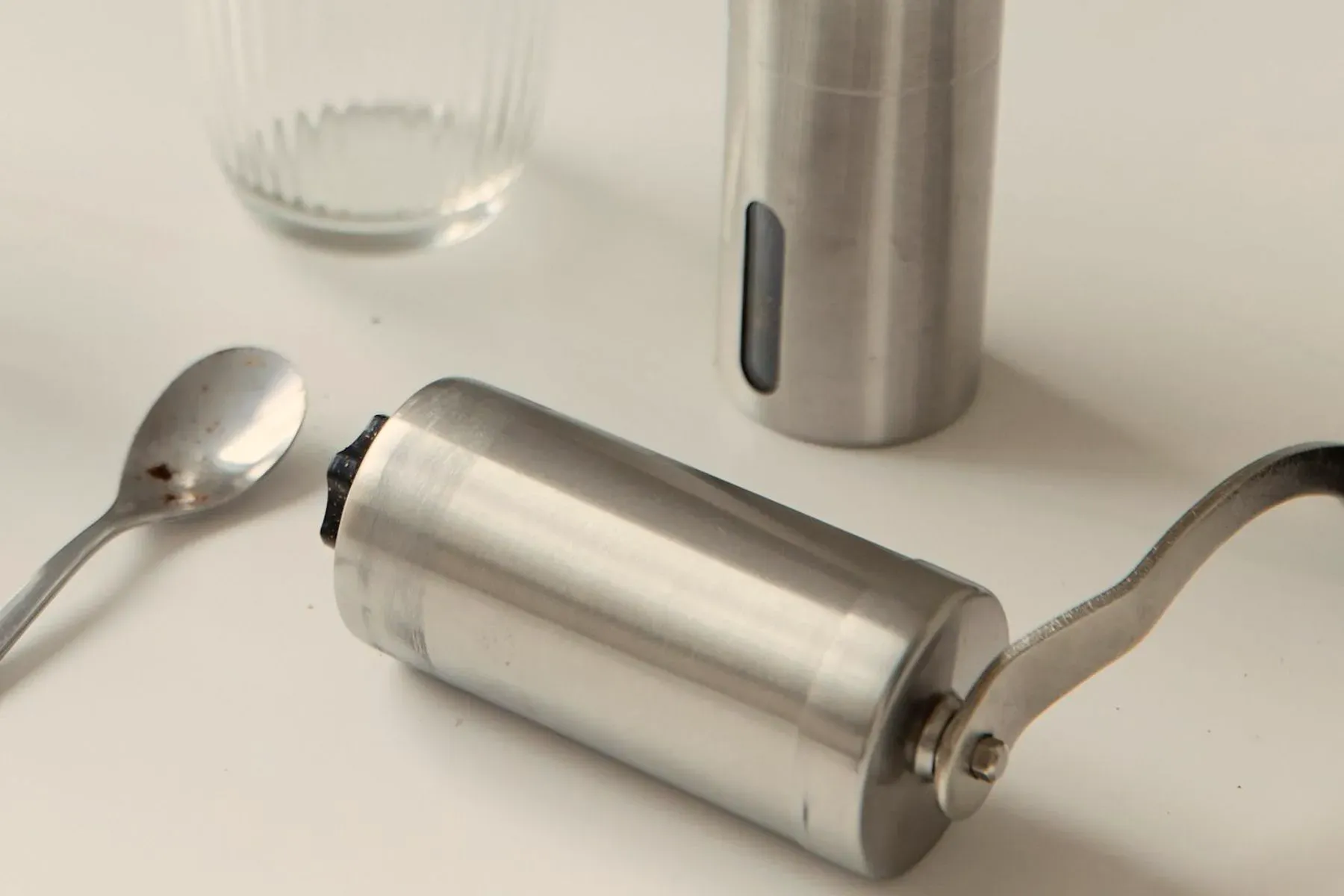
How to Choose a Coffee GrinderWhat to look for in a home coffee grinder: burrs, a range that reaches your brew method, fine steps for espresso, low retention, and burrs you can replace.
Choose and Use Beans
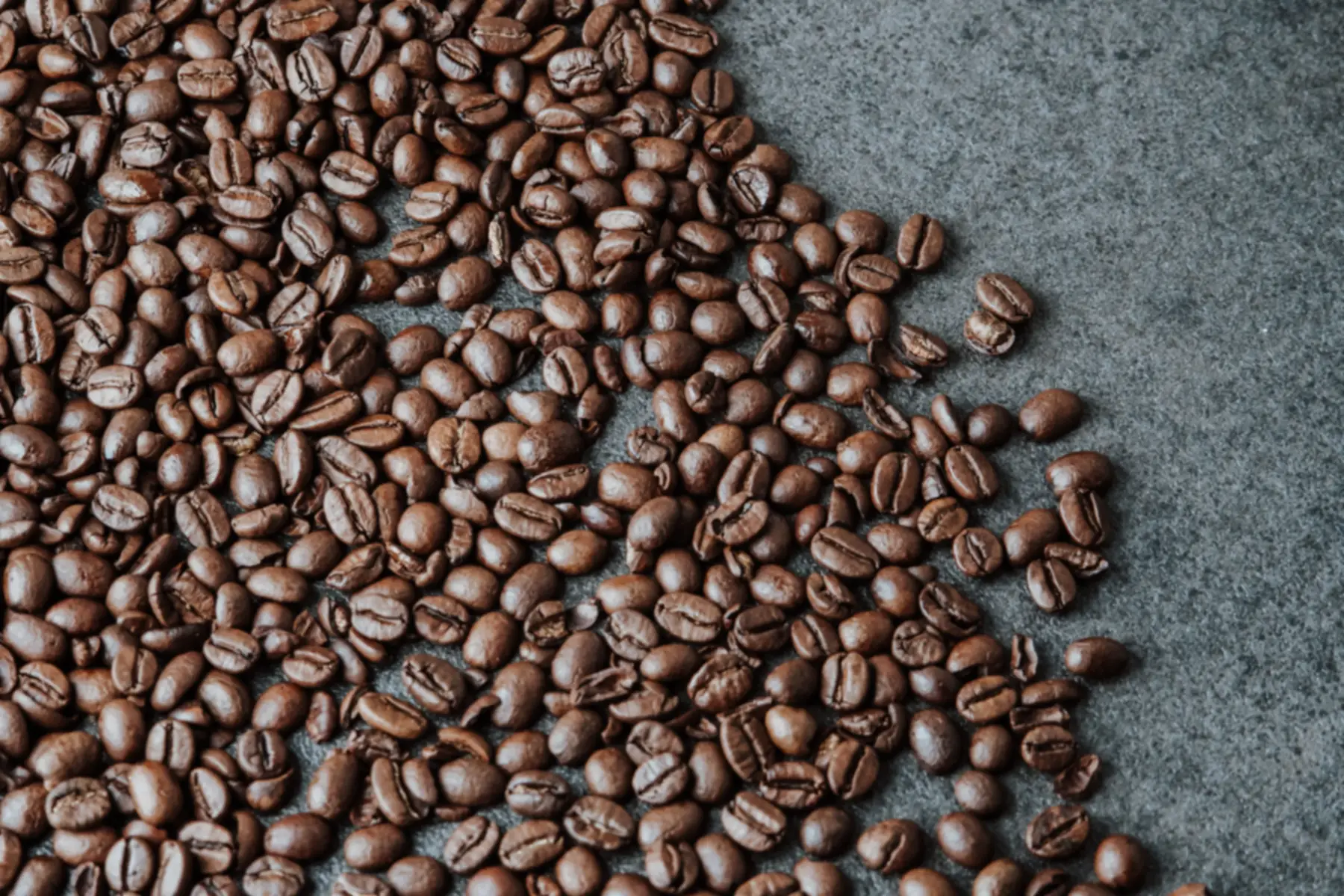
Light vs Medium vs Dark RoastWhat light, medium and dark roast labels tell you, what they cannot, and the Roast Compass: two questions to choose a roast direction for your cup.
Is Grinding Coffee at Home Worth It?What grinding at home really changes, when the extra control is worth a grinder, and a five-point test for when buying shop-ground coffee is the better call.
How to Store Coffee Beans at HomeHow to store coffee beans: keep them whole, limit air, heat and moisture, reseal the bag or use a sealed container, and freeze what you will not use soon.
How to Choose Coffee BeansHow to choose coffee beans for home brewing: start with roast, use flavor notes as clues, treat origin and process as context, and buy what you can use.
How to Read a Coffee Bag LabelWhat each item on a coffee bag means, from roast date and roast level to origin, process and altitude, and which ones actually help you choose.
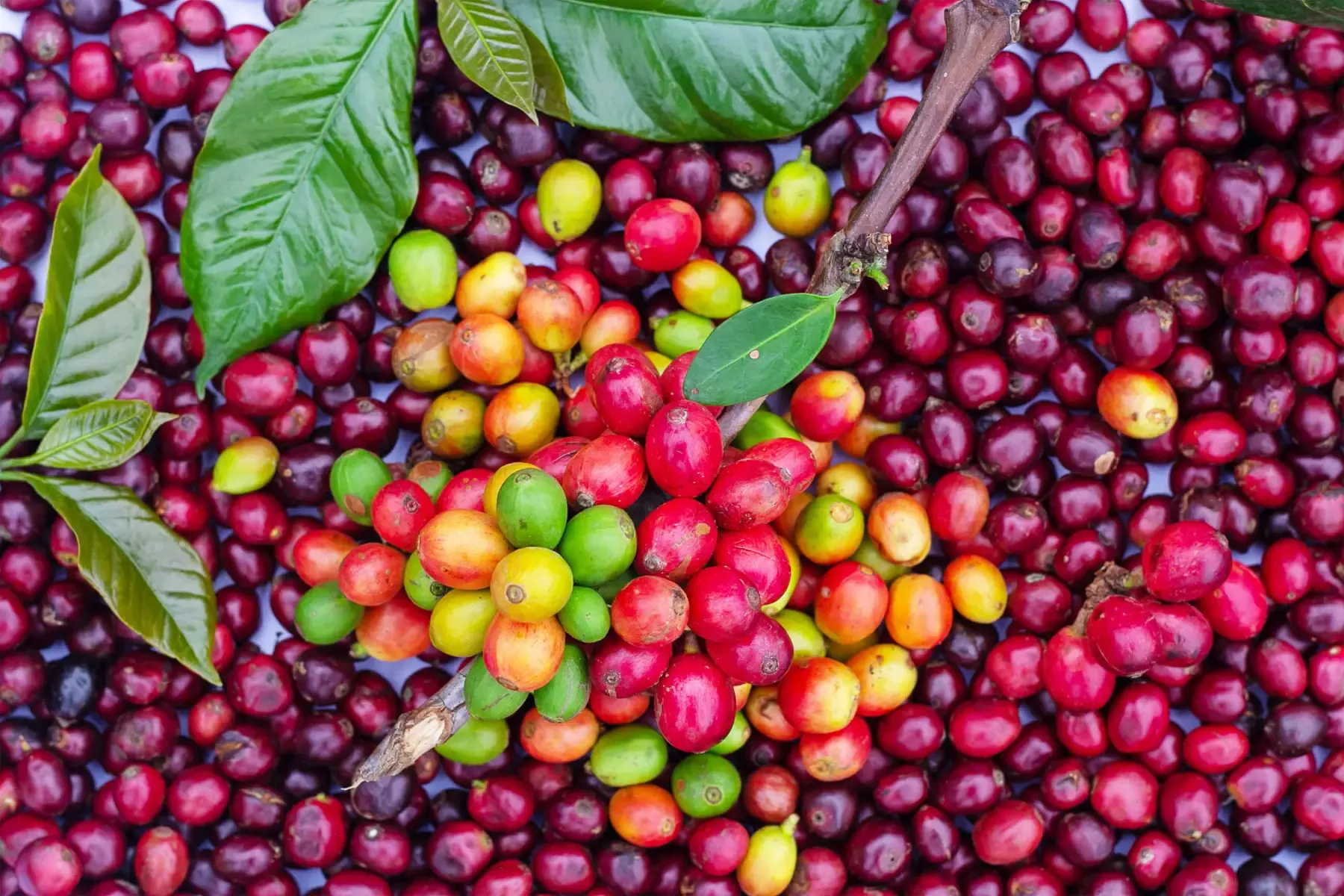
Arabica vs Robusta Coffee ExplainedArabica and Robusta are two coffee species. How the plants, the beans and the cup differ, including Robusta's roughly double caffeine, and how to choose.
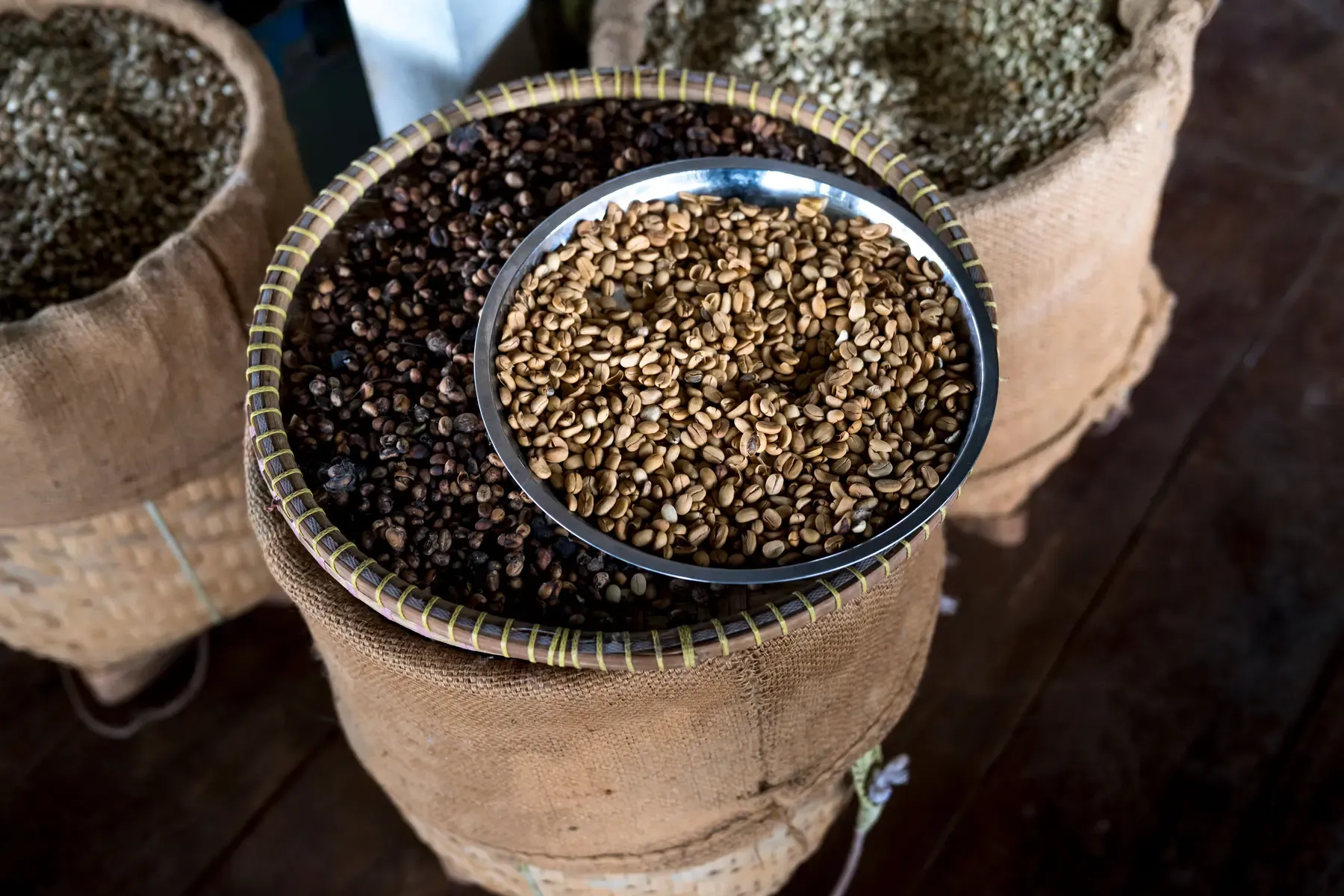
Single-Origin vs Blend CoffeeWhat single-origin and blend mean on a coffee bag, why roasters blend, what each tends to offer at home, and how to choose by taste rather than label.
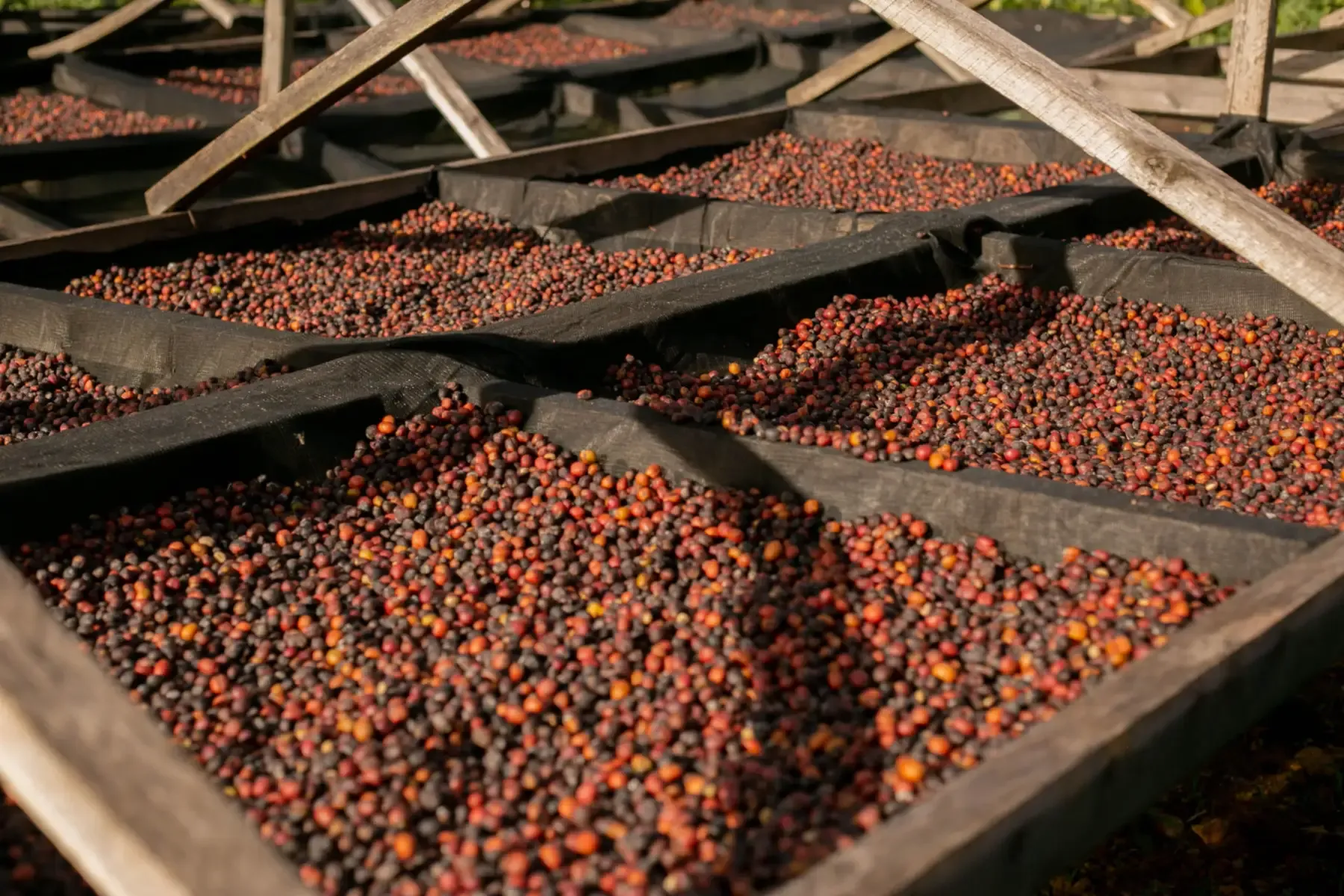
Washed, Natural and Honey ProcessingWhat washed, natural and honey mean on a coffee bag: what each process removes from the coffee cherry, how it tends to taste, and how much weight to give it.
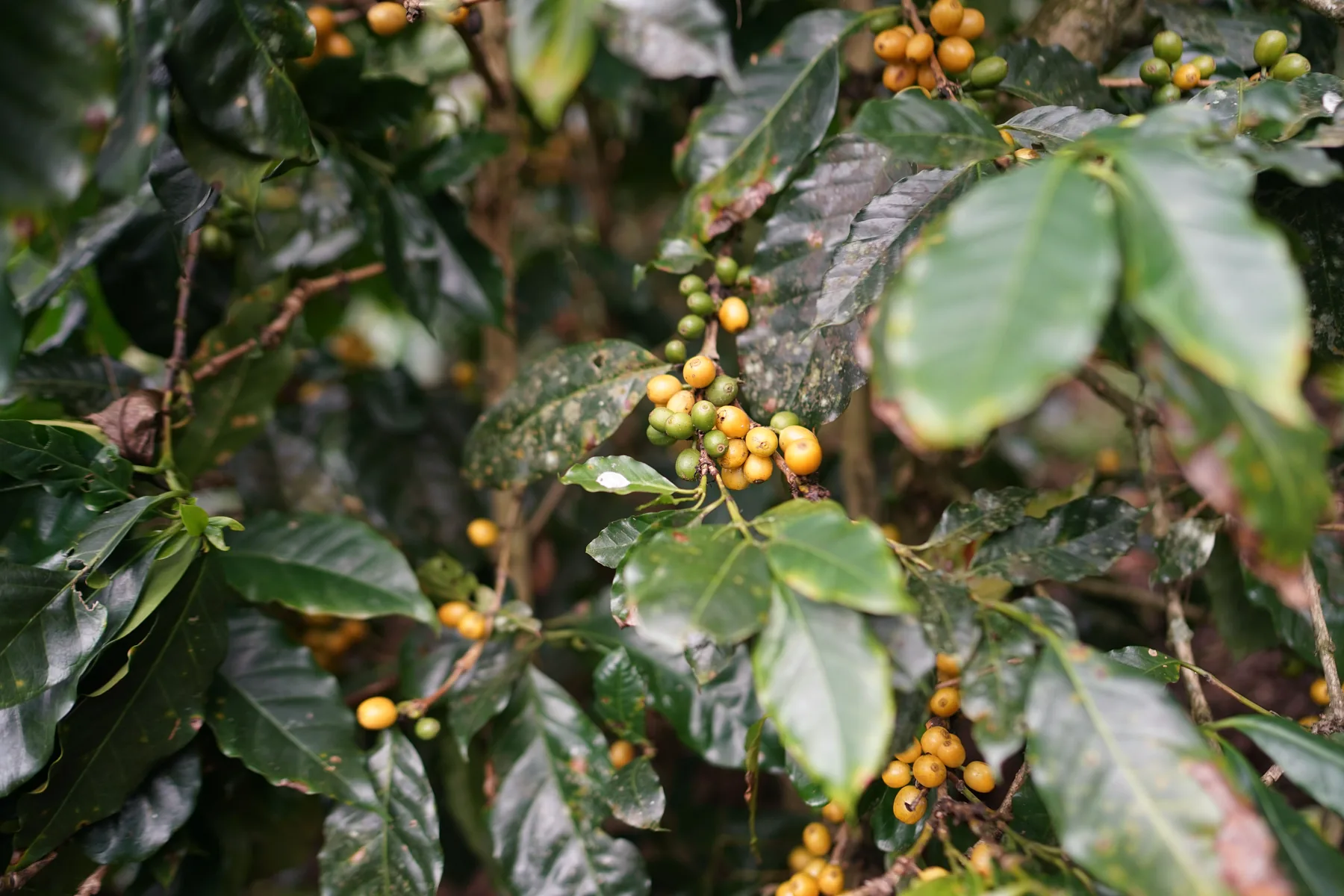
Coffee Origins: How Region Shapes FlavorWhere coffee grows, and how origin shapes flavor through the plant, elevation, shade and processing. Why a country name is a clue, not a promise.
How Much Caffeine Is in Coffee?How much caffeine is in a cup of coffee, an espresso and a decaf, what changes it (the amount of coffee, the species, the roast), and the FDA figure for adults.
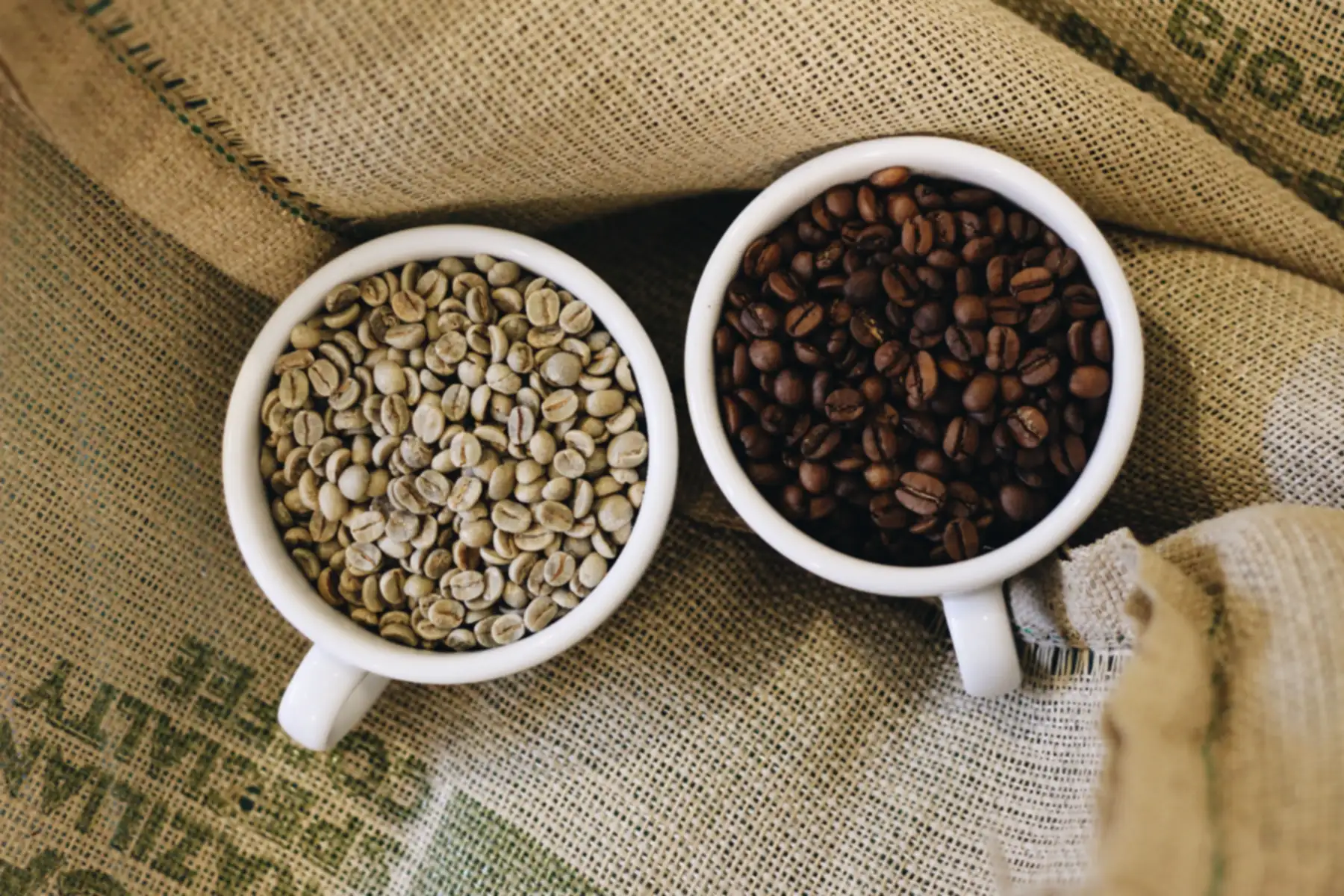
How Is Decaf Coffee Made?How decaf is made: the four ways caffeine is taken out of green beans, how much is removed, how much is left in your cup, and the rules on solvents.
How Long Should Coffee Beans Rest?Why freshly roasted coffee needs a few days to rest, how long roasters suggest for filter and espresso, and the signs of coffee that is too fresh.
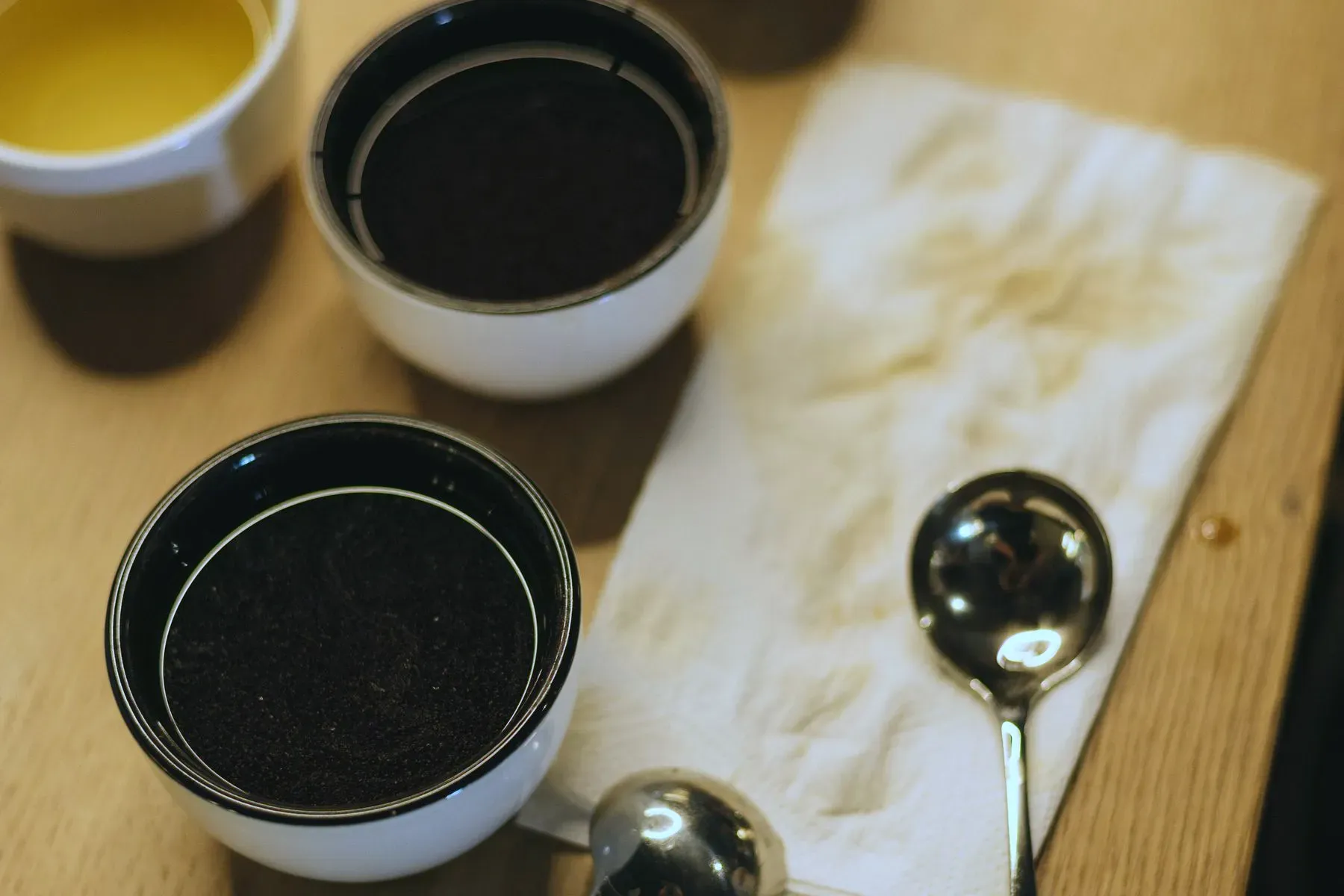
How to Taste Coffee at HomeA home cupping: the Specialty Coffee Association’s ratio, breaking the crust, slurping as it cools, tasting side by side and naming flavors with the wheel.
Water and Milk Drinks
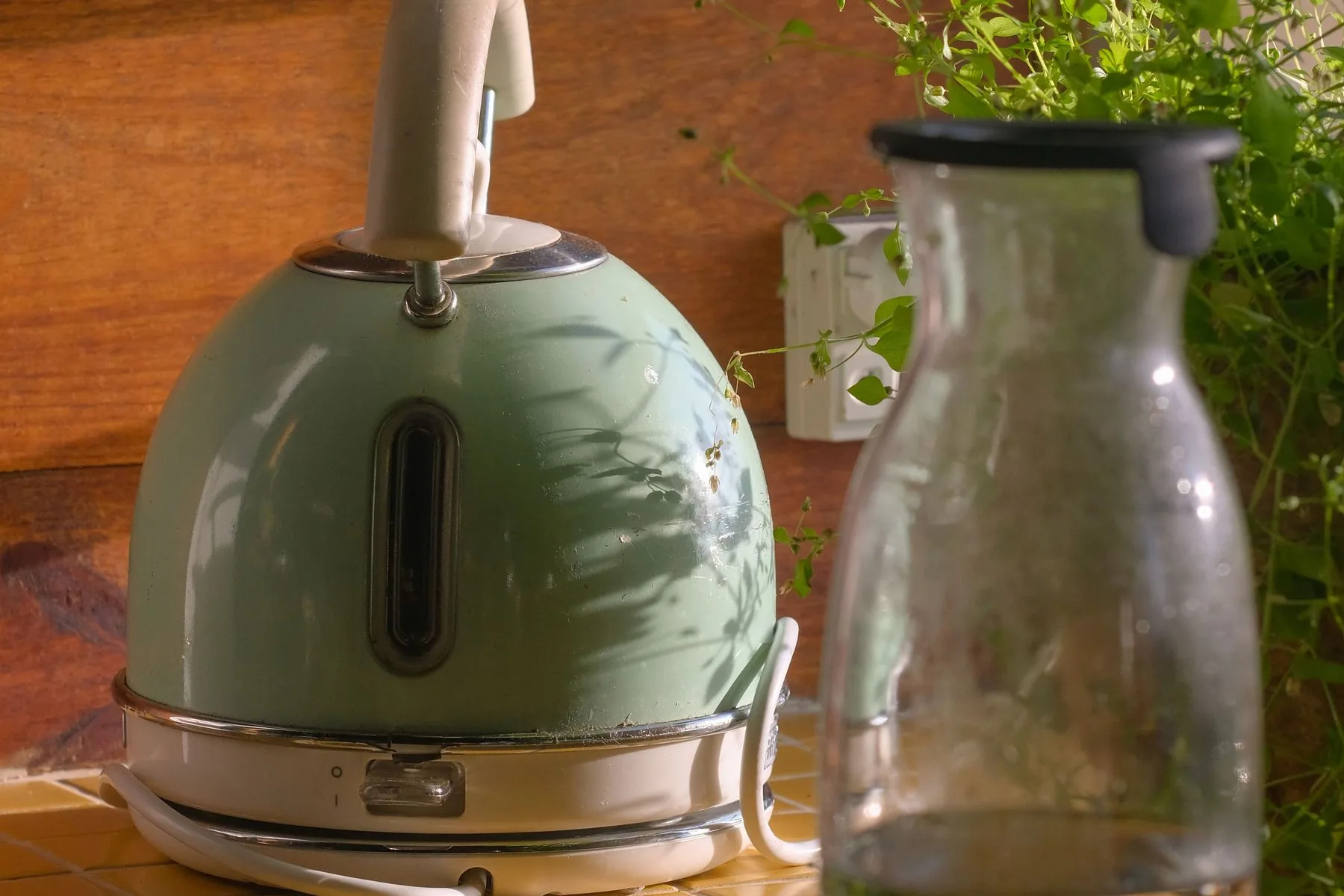
Tap, Filtered or Bottled WaterHow to find out what is in your tap water, what a filter certification covers, and what spring, mineral and purified mean on a bottle, for better coffee.
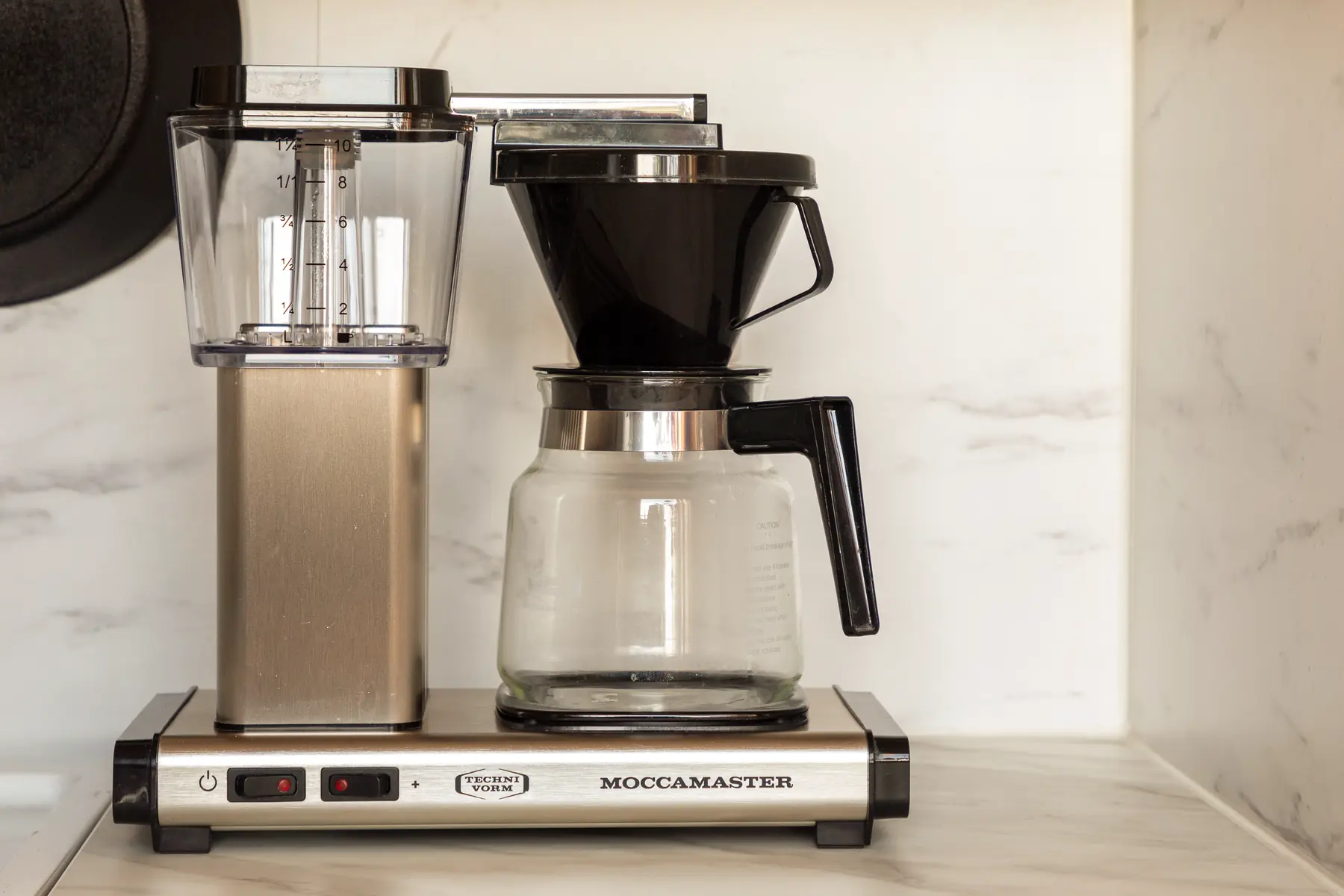
How to Descale a Coffee MakerWhy hard water leaves scale in a coffee maker, how to check your water hardness, how often to descale, and why vinegar advice differs between makers.
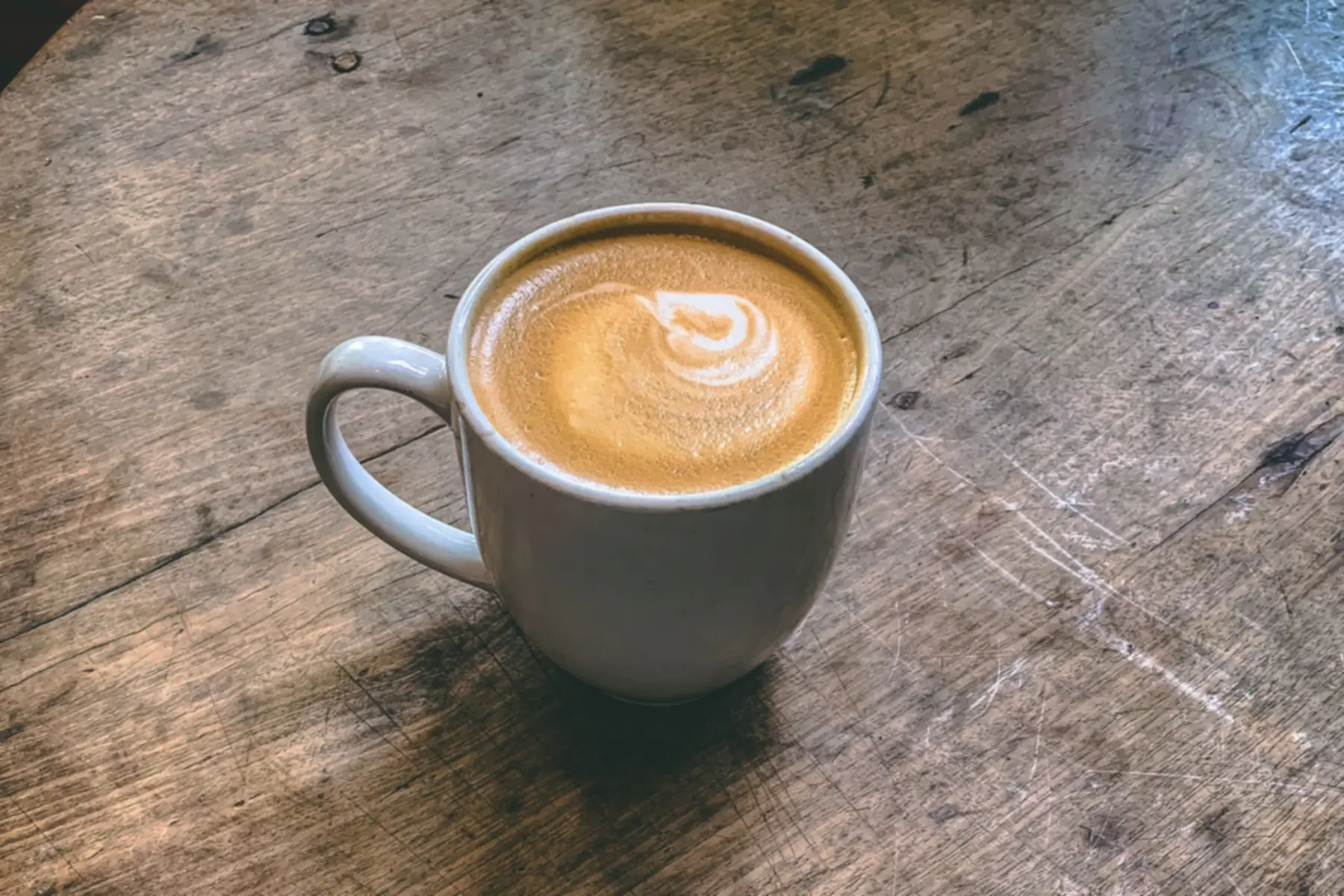
Latte vs Cappuccino vs Flat WhiteLatte, cappuccino and flat white are all espresso with steamed milk. Here is how milk, foam and cup size set them apart, and how to make each at home.
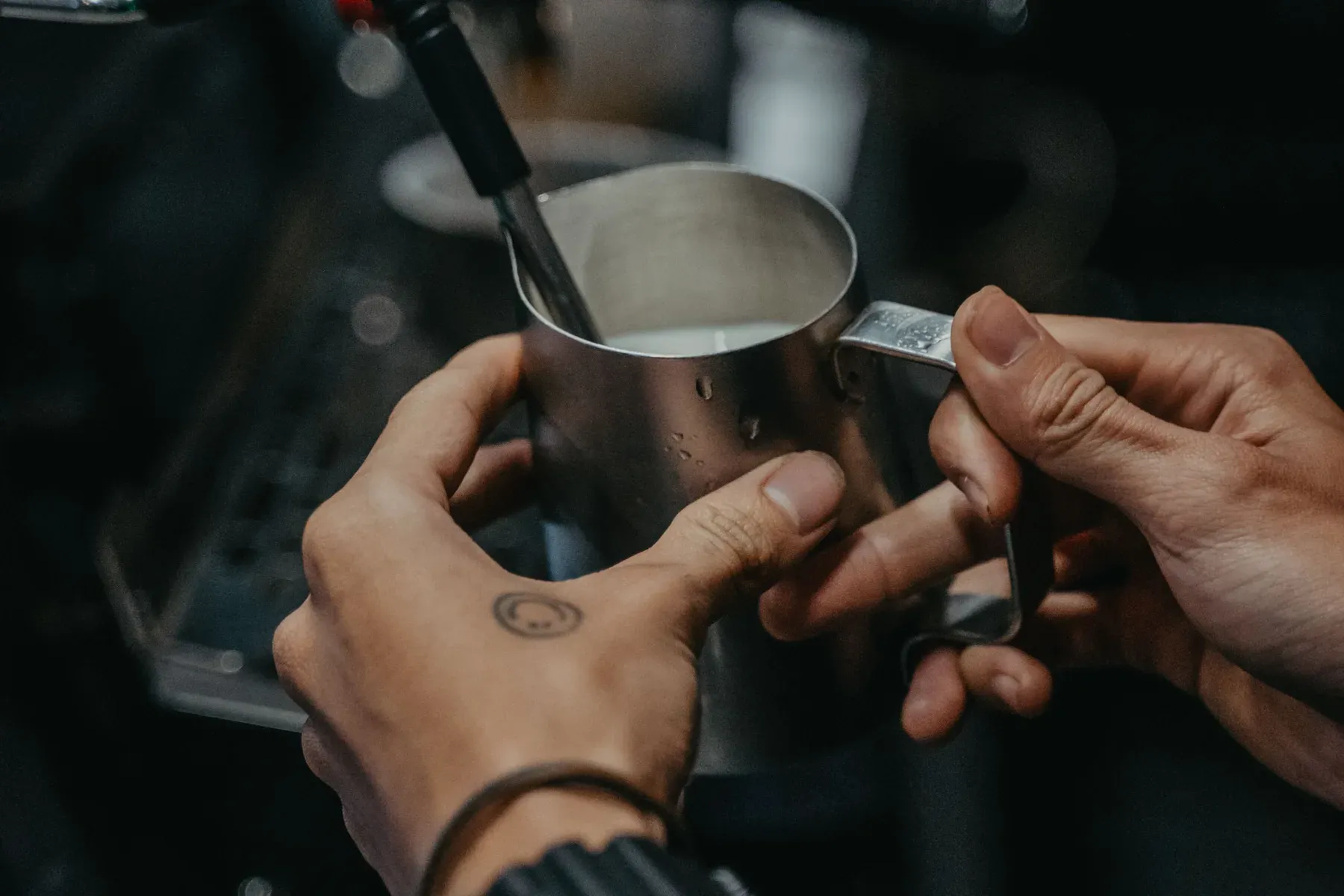
How to Steam and Froth Milk at HomeHow to steam milk with an espresso machine wand, step by step: cold milk, a short burst of air, a whirlpool, and the right temperature. Plus frother options.
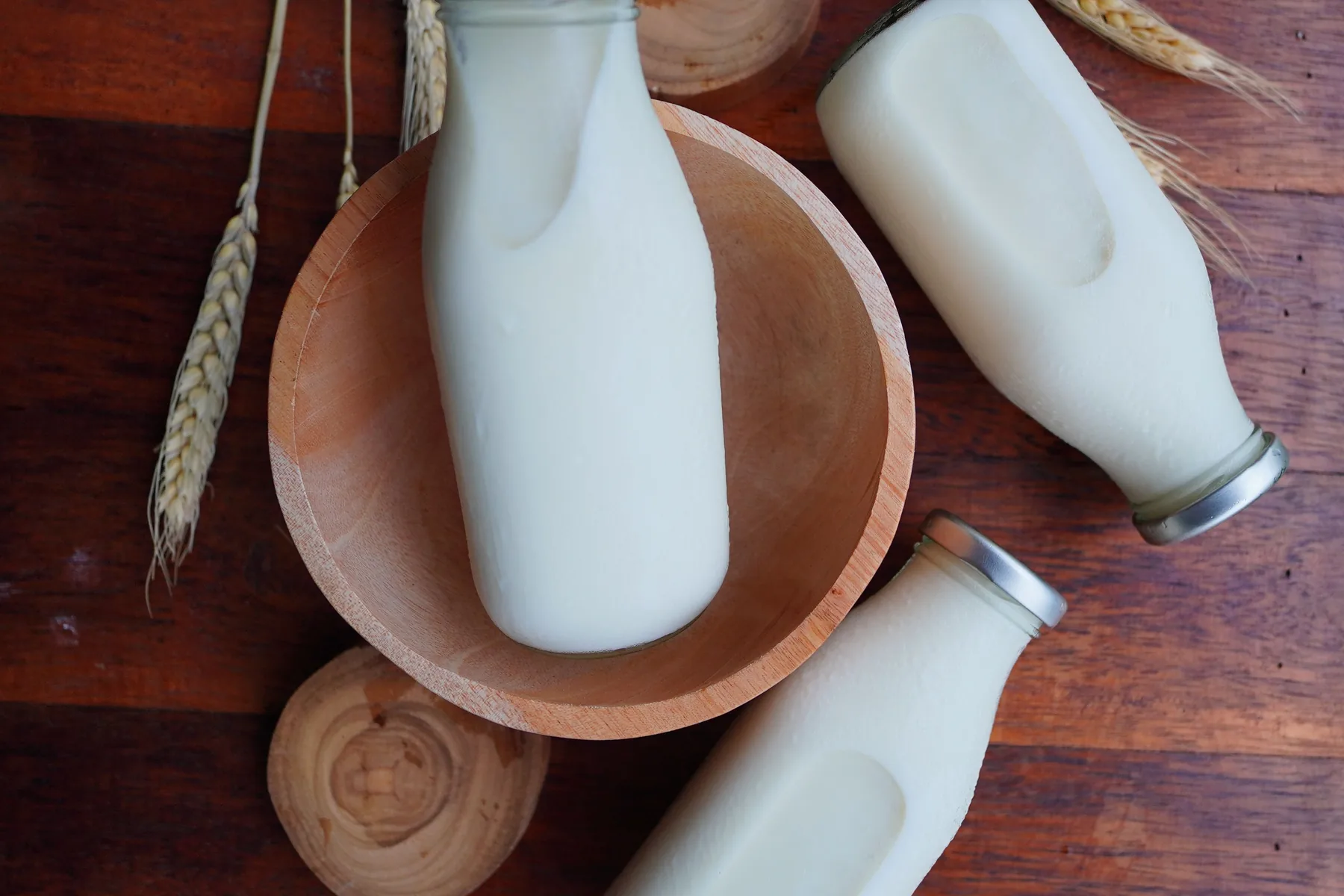
Dairy and Plant Milks in CoffeeHow cow milk and plant milks such as oat, soy and almond foam and behave in coffee, why soy milk can curdle in hot coffee, and what to try instead.
Recipes
All recipes
How to Make Iced Pour-Over CoffeeHow to brew pour-over coffee hot, straight onto ice: how much coffee, hot water and ice to use, a finer grind, the pours, and what to fix if it tastes weak.
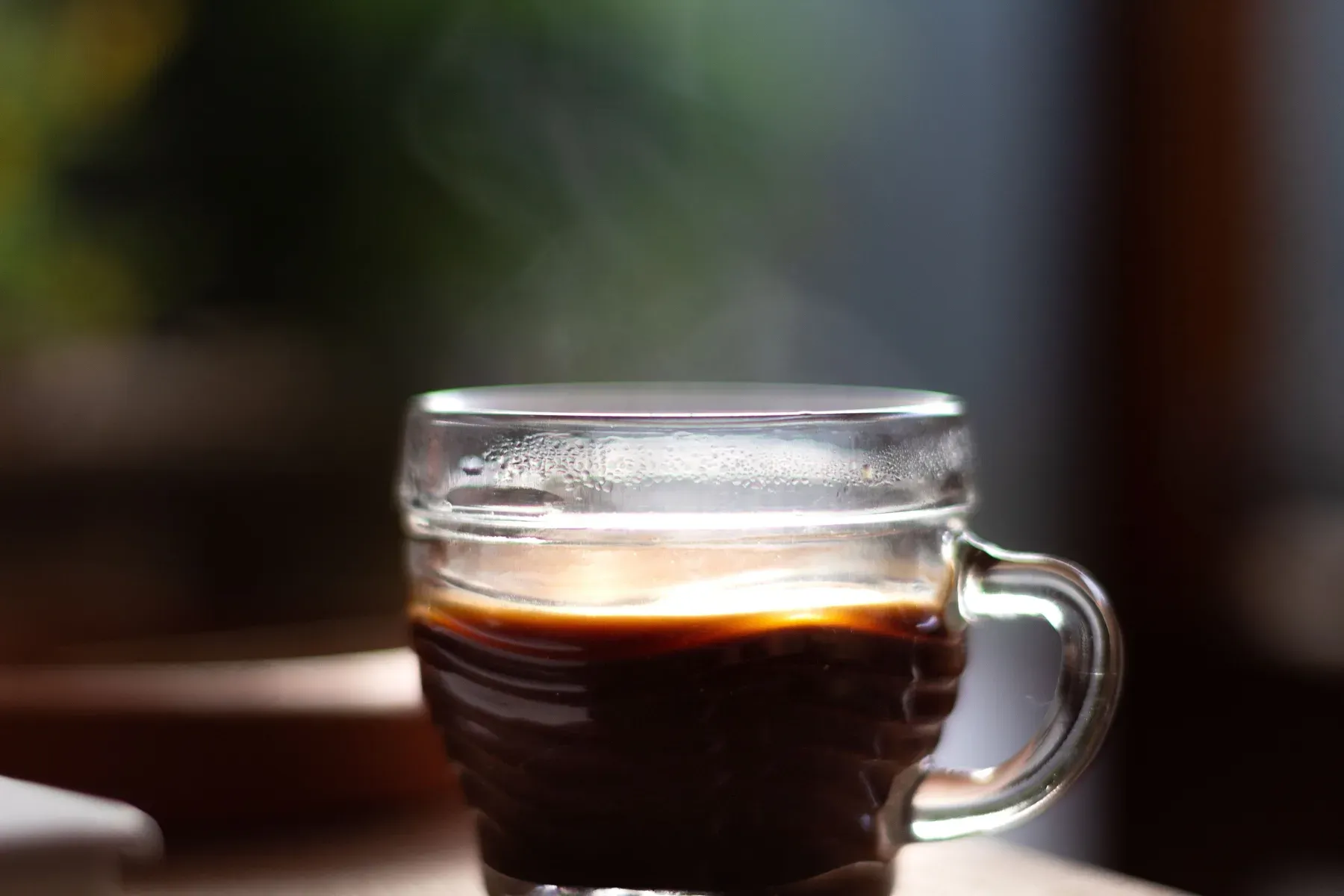
How to Make an AmericanoAn Americano is espresso topped up with hot water. How much water three machine makers use, whether water or espresso goes first, and how to adjust it.
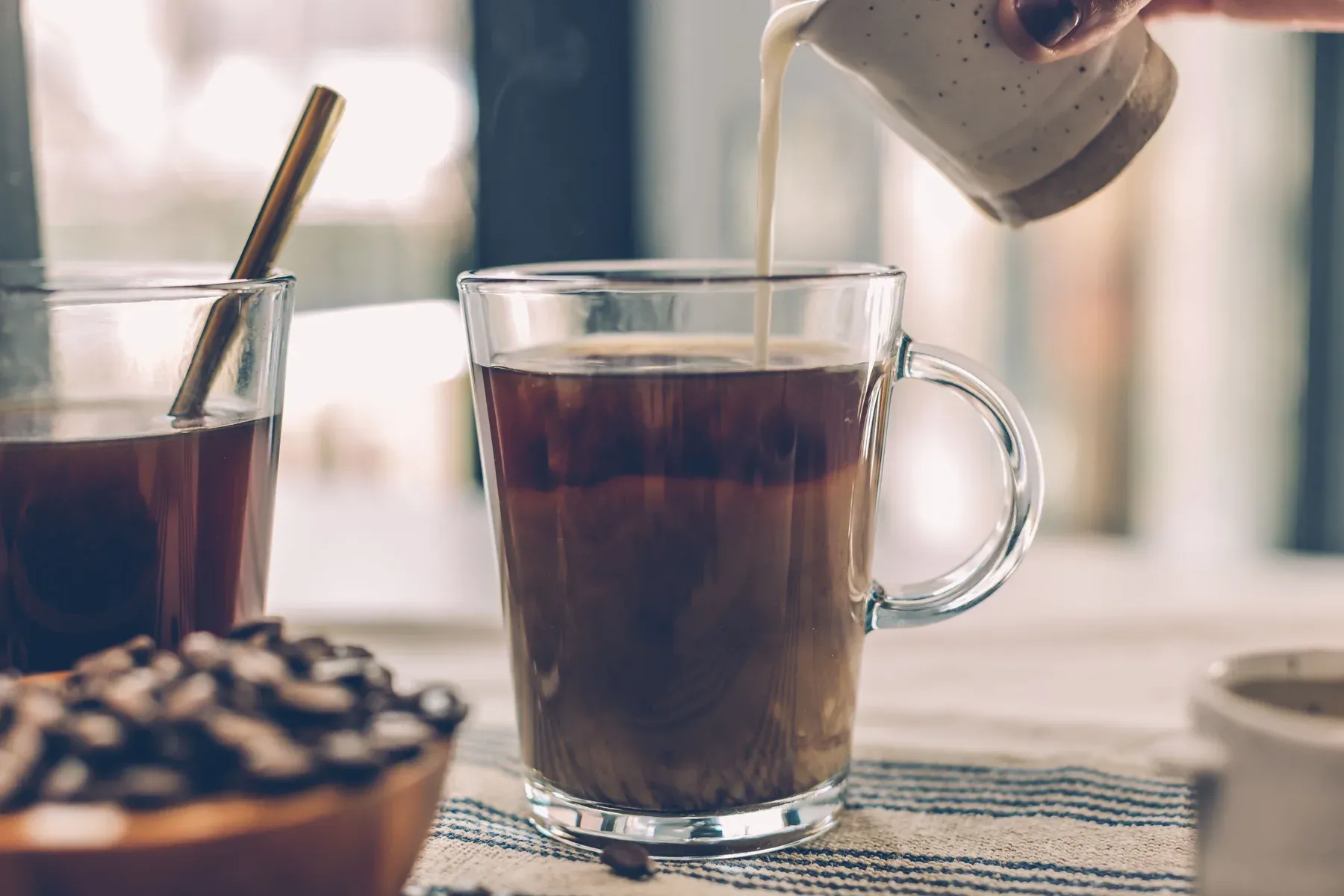
How to Make Café au LaitCafé au lait is strong brewed coffee with an equal part of hot milk. How it differs from a latte, how to make it without an espresso machine, and fixes.
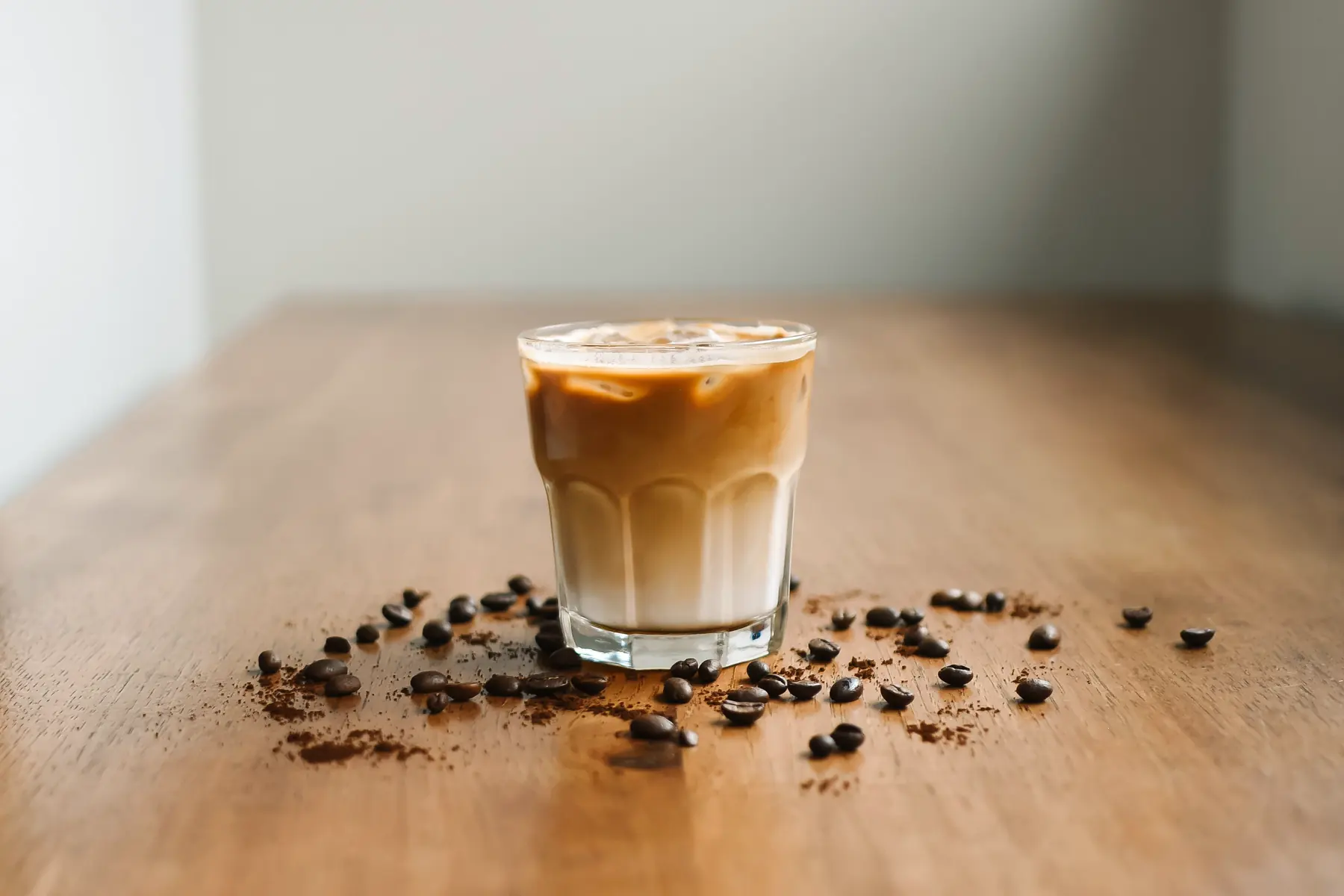
How to Make an Iced LatteAn iced latte is espresso with cold milk over ice. The build order three makers use, how much milk to add, how to sweeten it, and which roast stands up best.
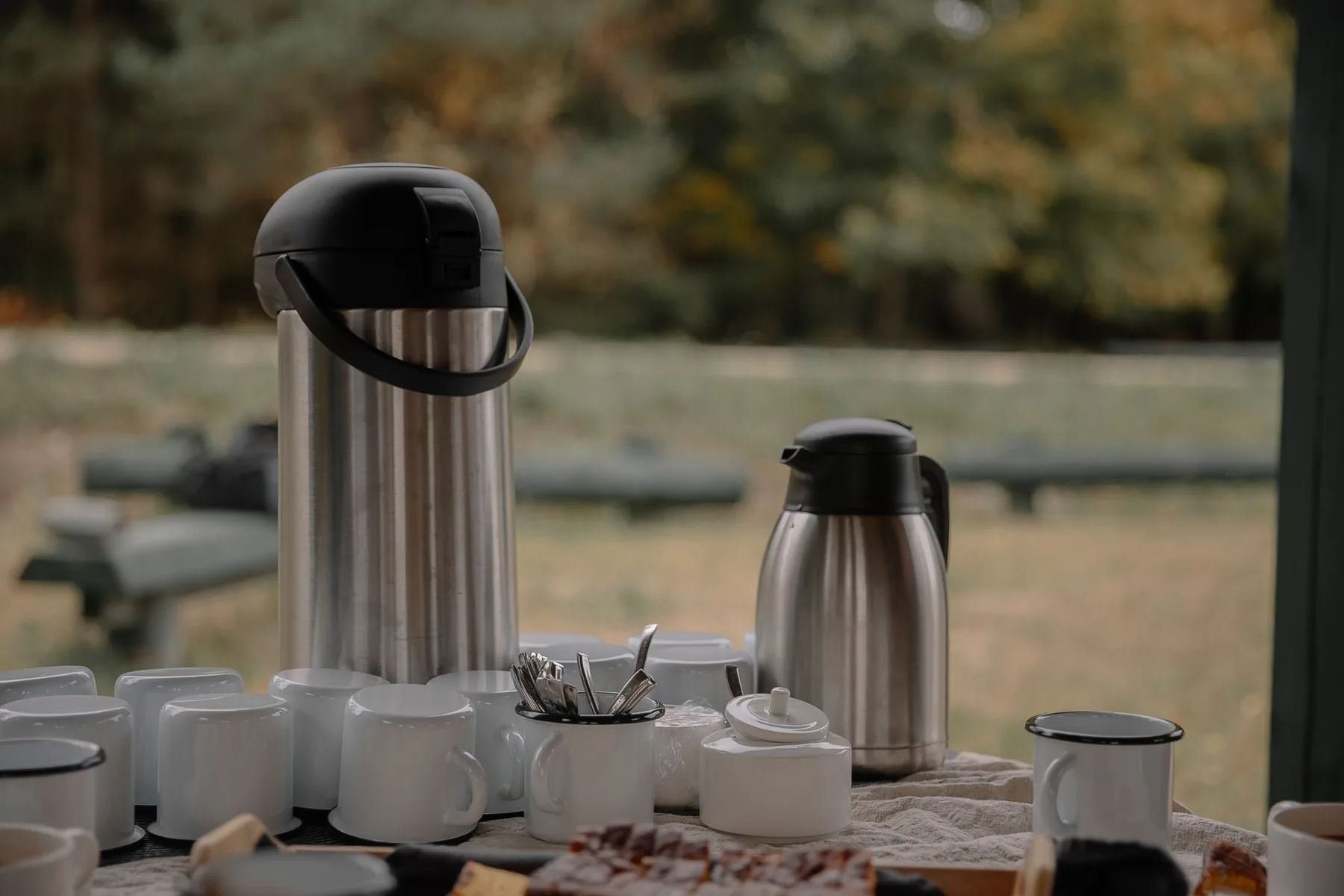
How to Make Coffee for a CrowdHow much coffee to brew for a group: why a coffee maker cup is smaller than a mug, how much ground coffee a full carafe needs, and how long it can wait.
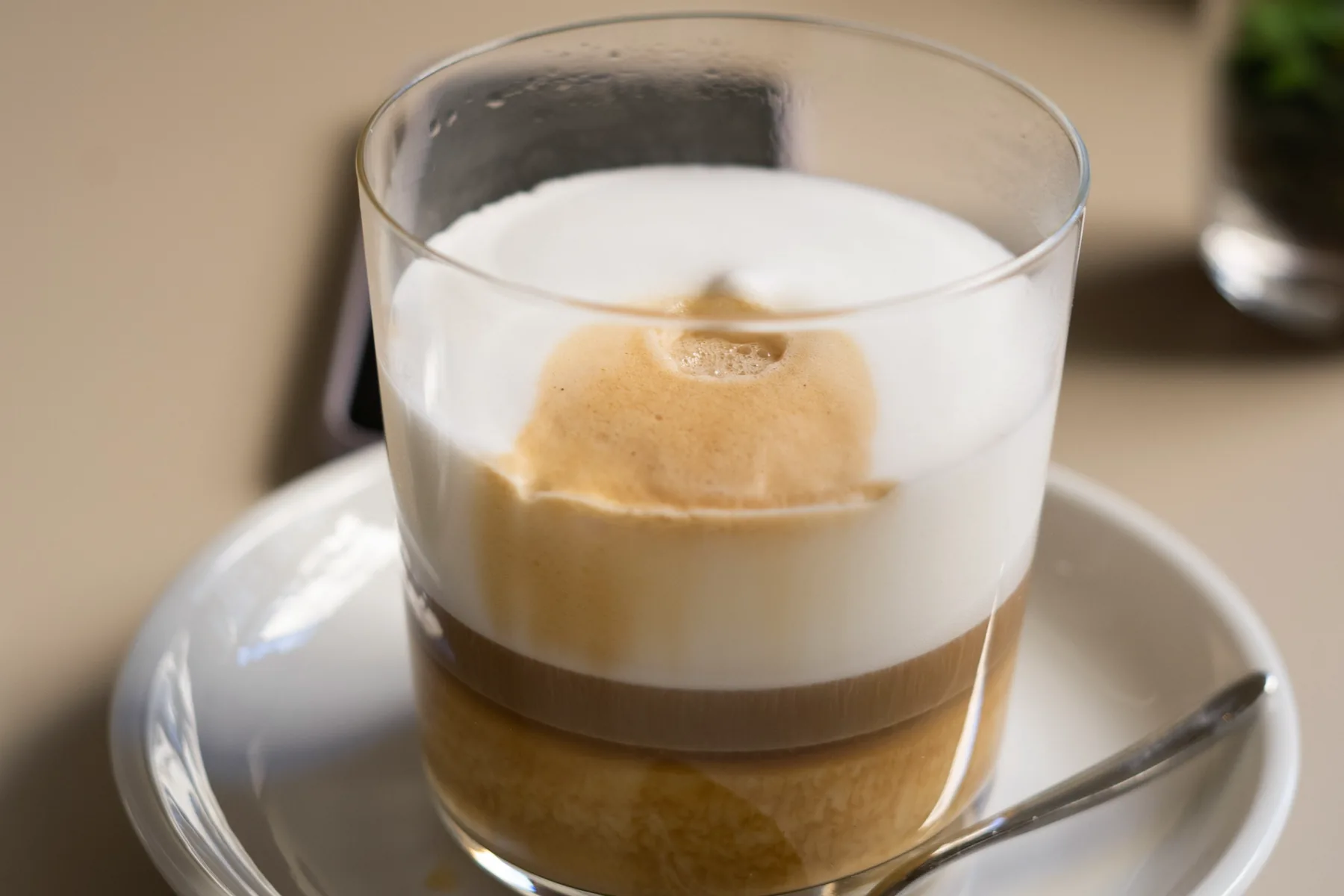
Cortado vs MacchiatoA cortado is espresso with about as much steamed milk; a macchiato is espresso marked with a spoonful of foam. How makers build each, and the latte macchiato.
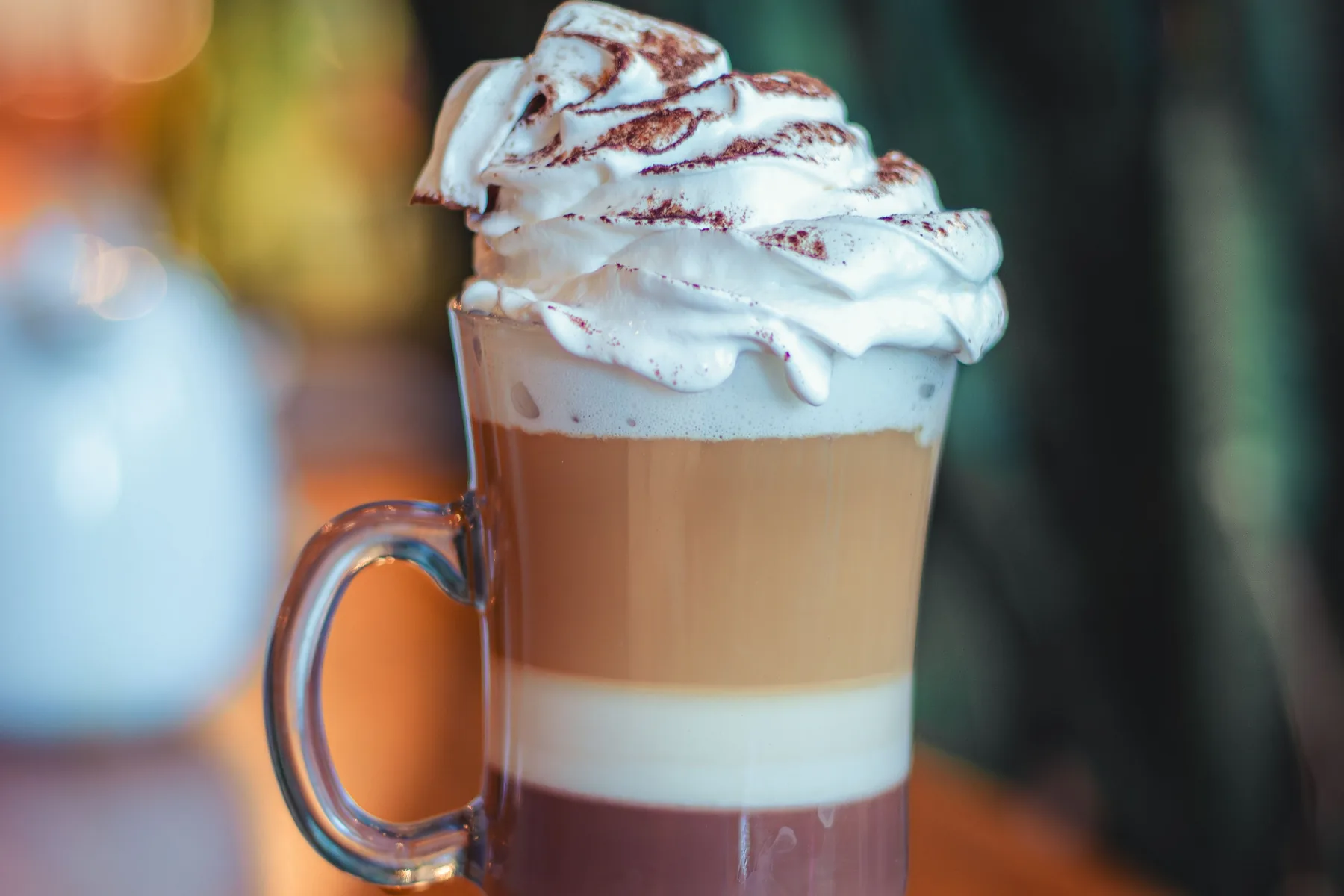
How to Make a MochaA mocha is espresso, chocolate and steamed milk. How much chocolate two makers use, whether the chocolate or the milk goes in first, and how to sweeten it.
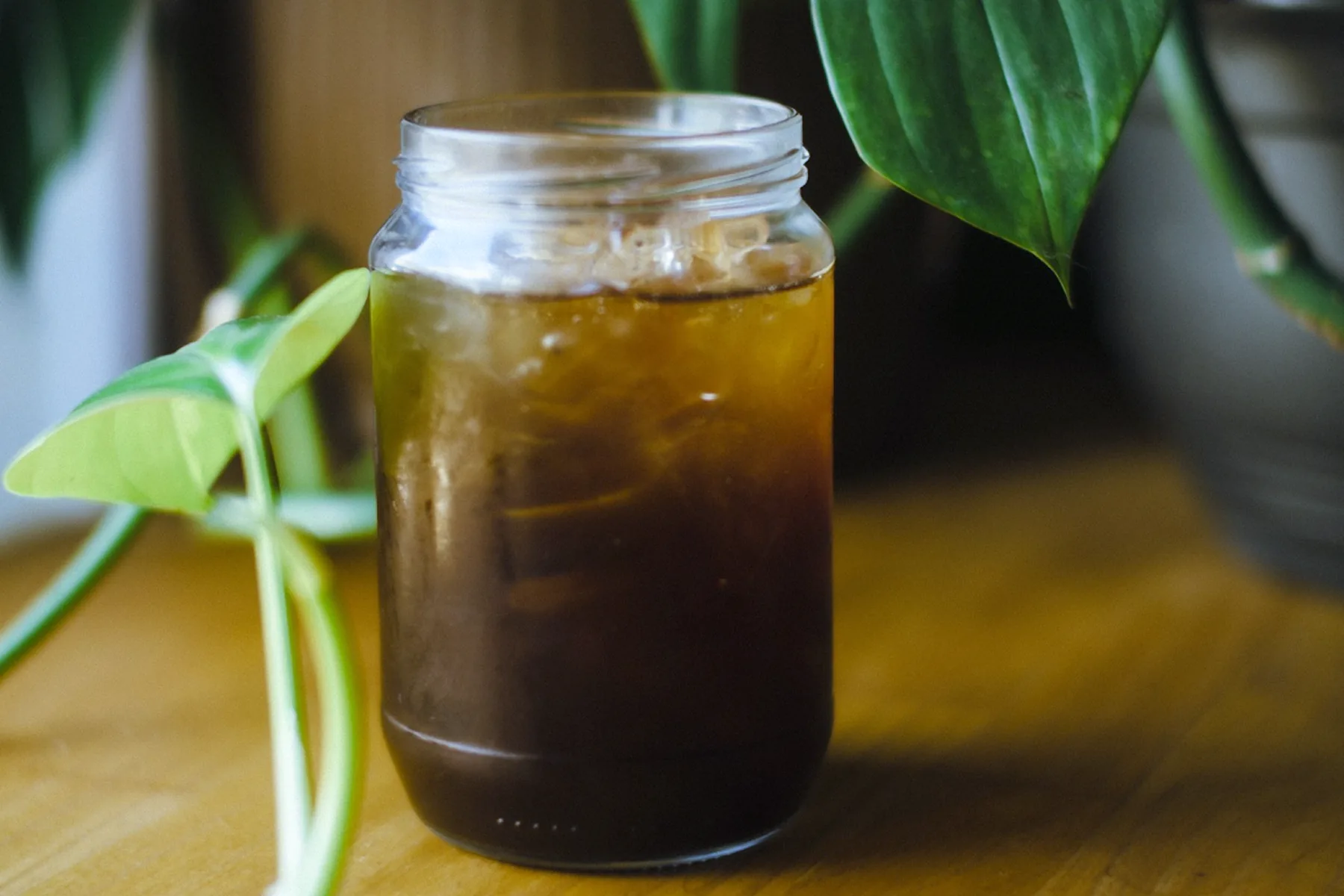
Flash Brew vs Cold BrewFlash brew is brewed hot straight onto ice in minutes; cold brew steeps in cool water for hours. Ratios, timing, and what studies found on acidity and caffeine.
Espresso
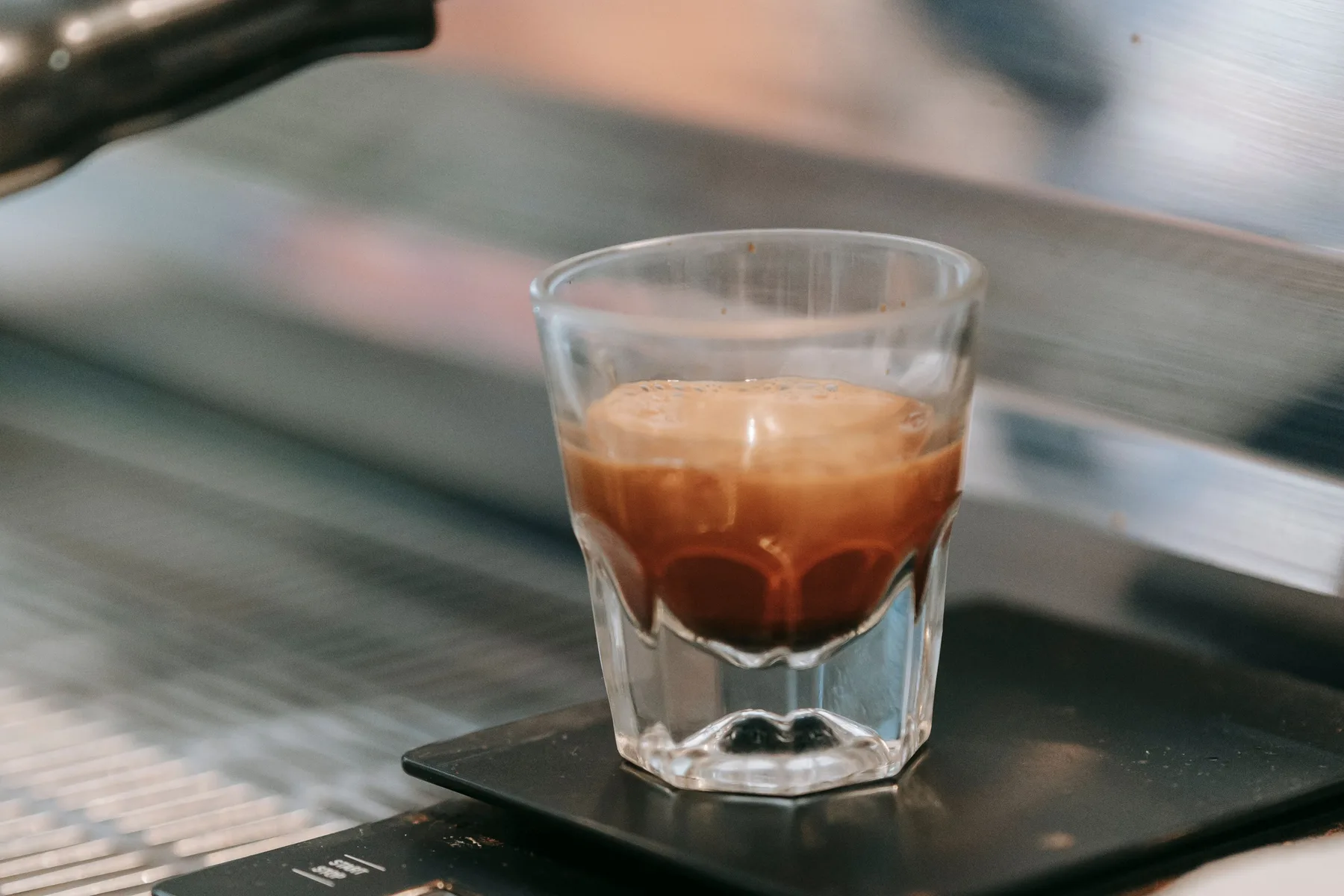
Espresso Basics: Dose, Yield and TimeWhat dose, yield and time mean for espresso, why 18 g in and 36 g out (1:2) is a common start, and how five sources set their targets, beside our baseline.
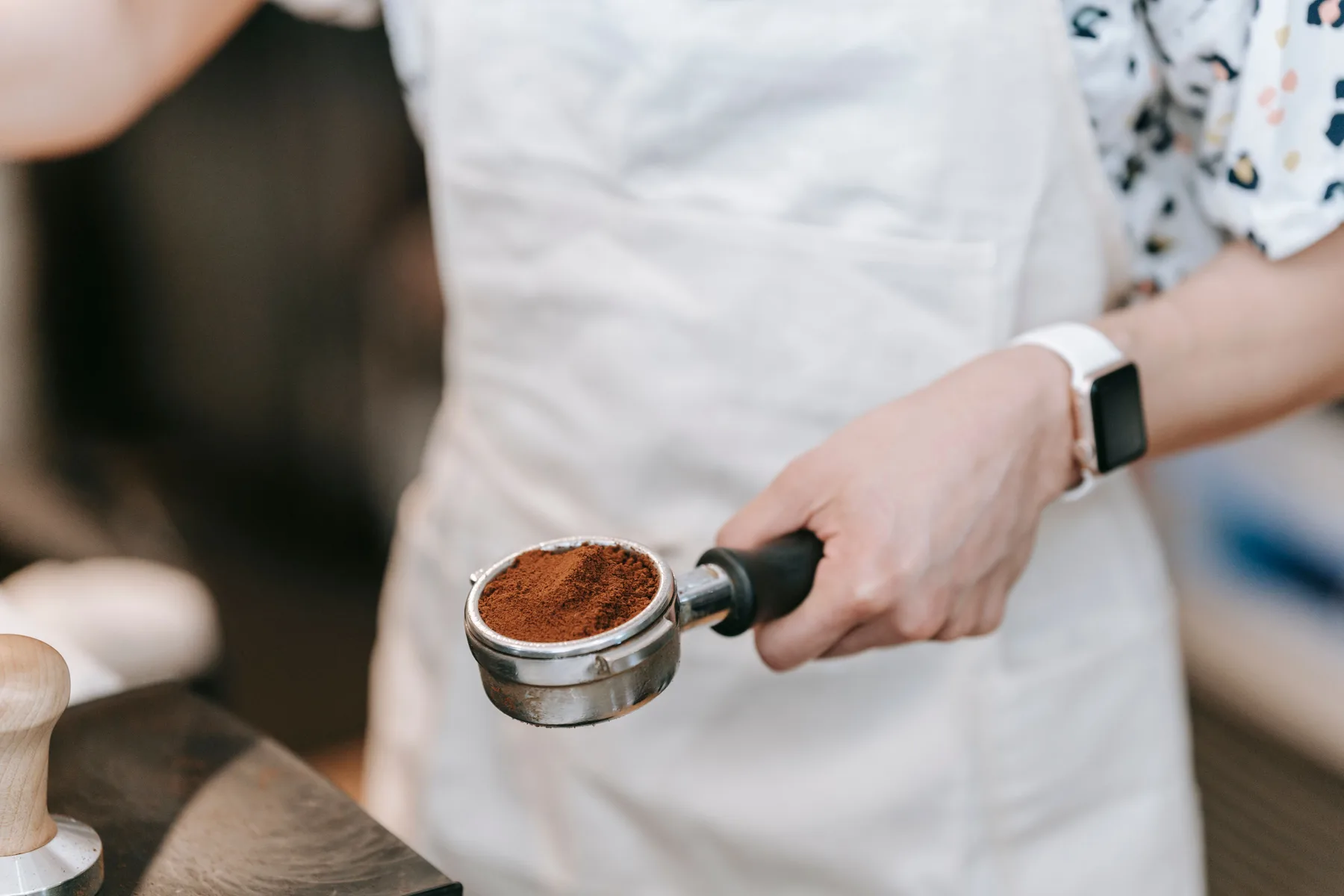
How to Dial In EspressoHow to dial in espresso: keep the dose and yield fixed, change the grind in small steps until the time and taste are right, then fine-tune the ratio.
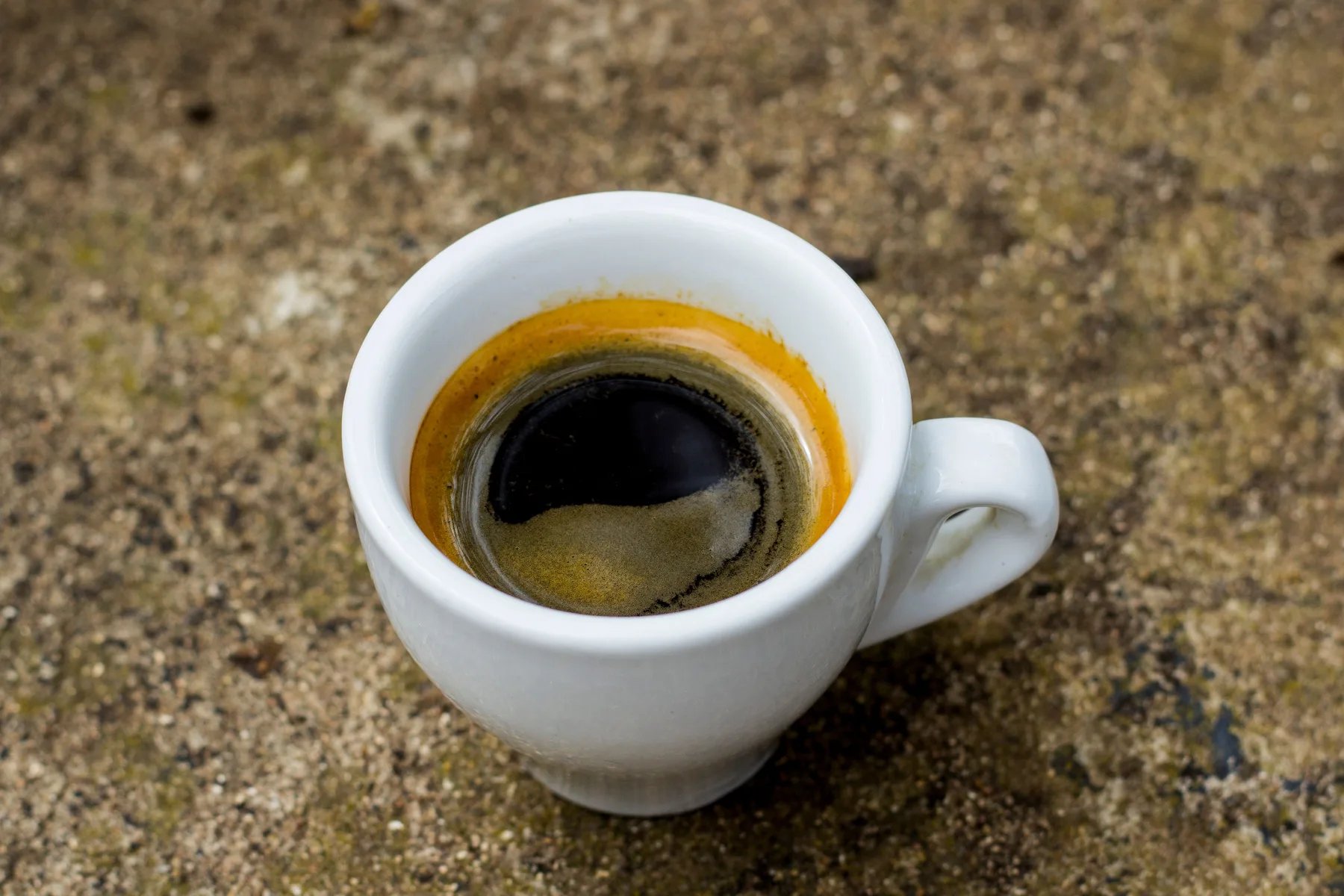
Why Is My Espresso Sour or Bitter?Sour espresso is usually under-extracted and bitter espresso over-extracted. The common causes, how shot time points to them, and the first fix for each.
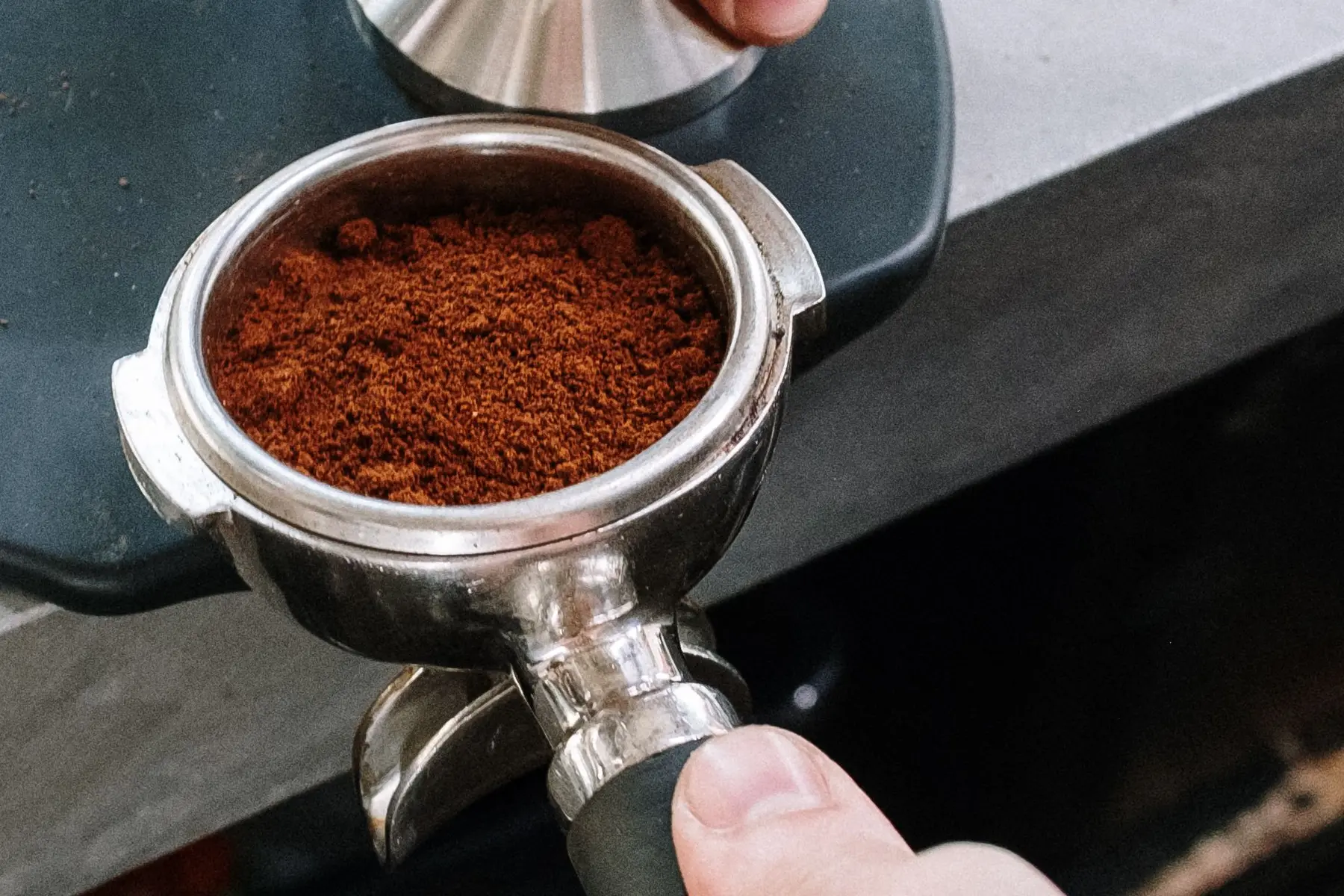
How to Prep an Espresso PuckEspresso puck prep in five steps: weigh the dose, break up clumps, level, tamp, then clean the rim. What published research found on stirring and tamping.
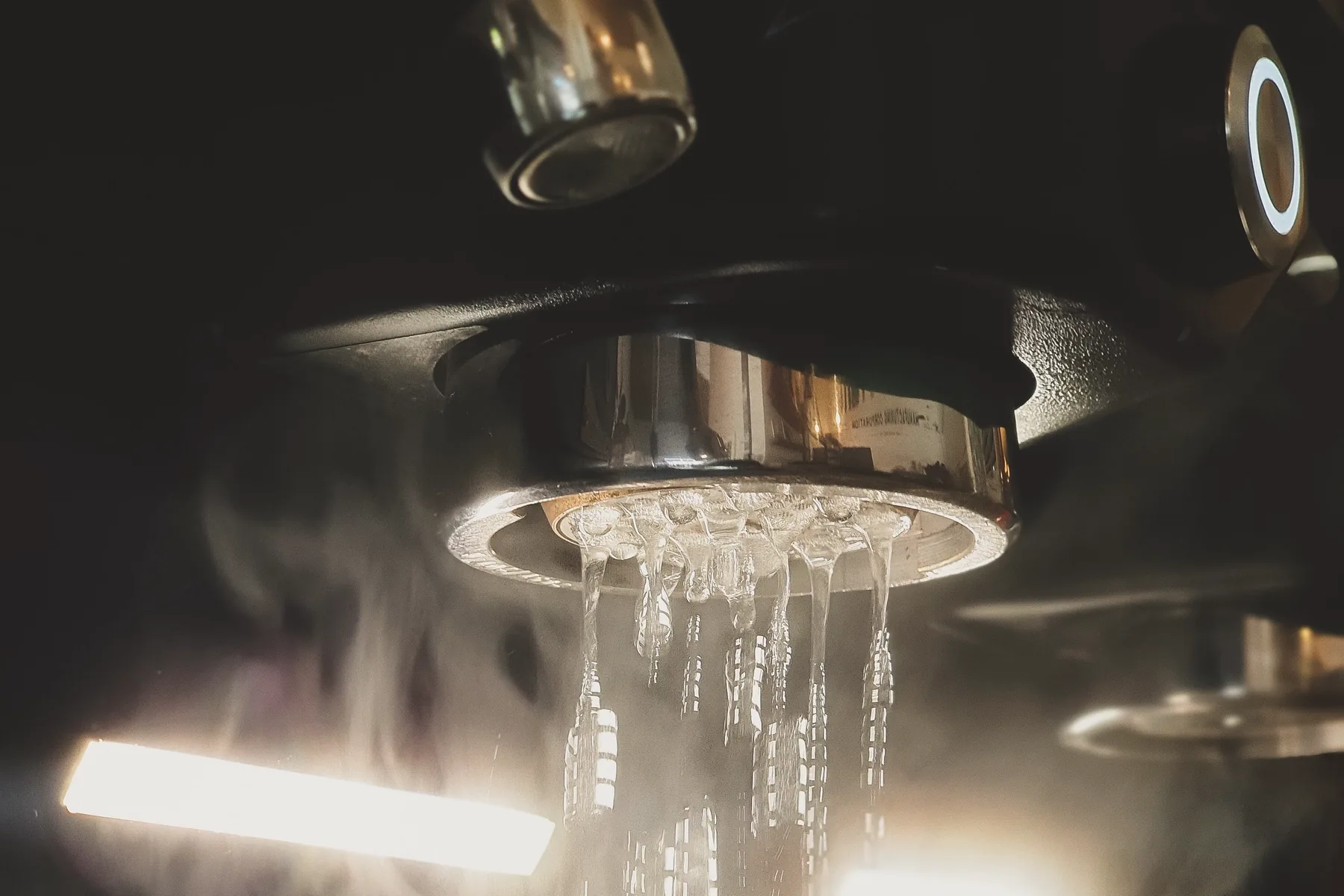
How to Clean and Backflush an Espresso MachineDaily espresso machine cleaning, whether your machine can be backflushed, water and detergent backflush steps, soaking parts, and how often makers advise each.
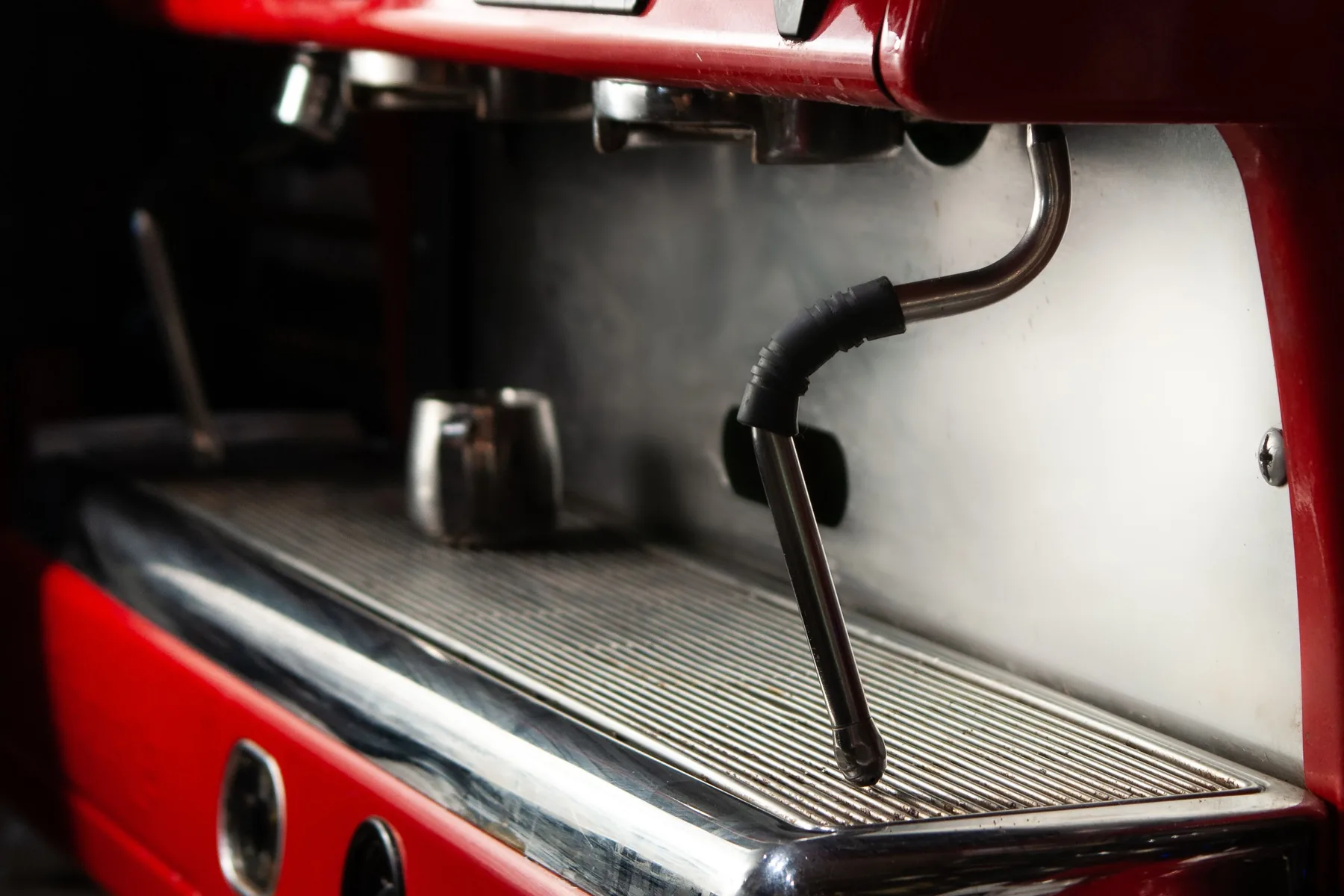
Espresso Machine Types ExplainedSingle boiler, heat exchanger, dual boiler and fast heaters: how each espresso machine heats water, whether it brews and steams at once, and what it asks.
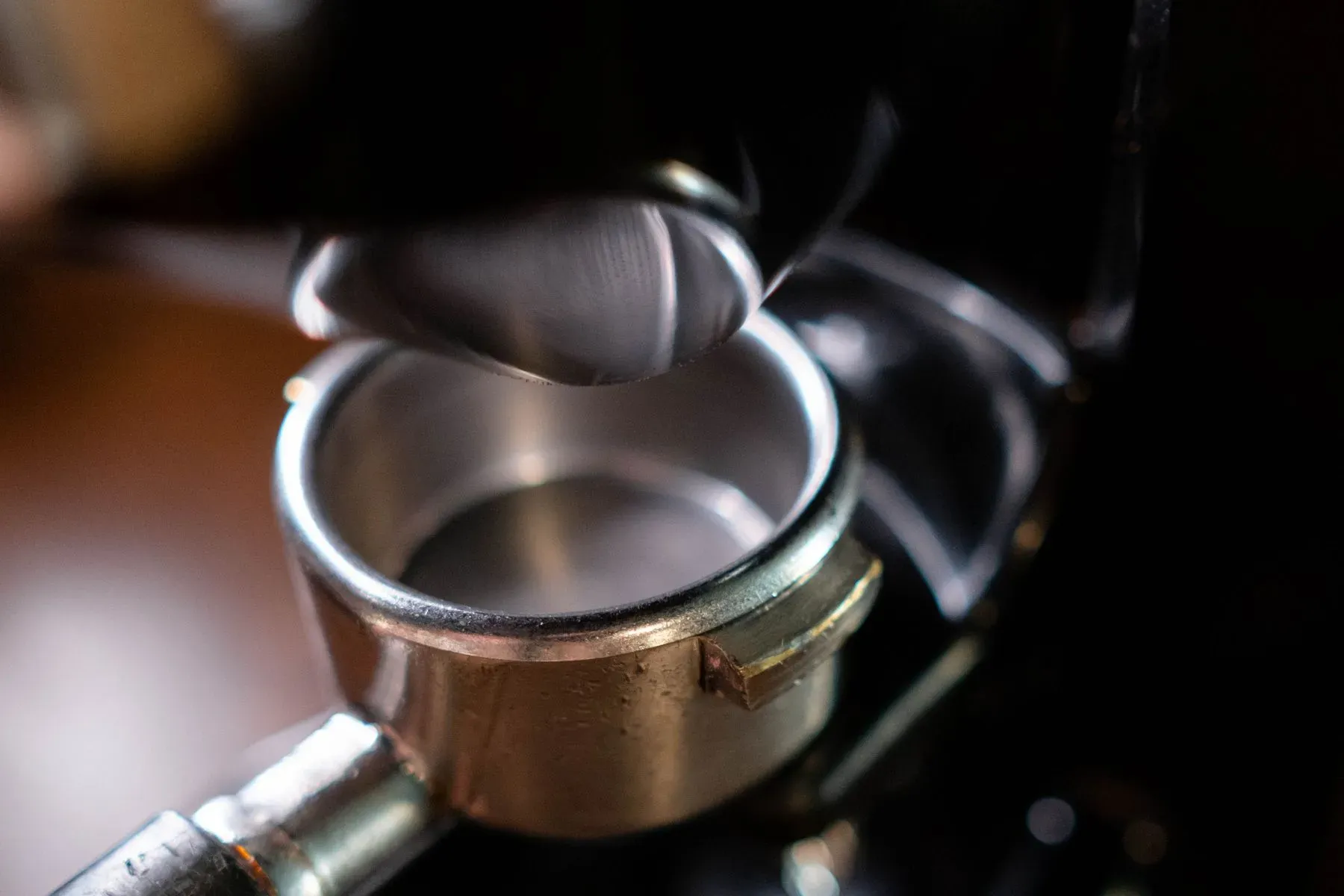
How to Choose a Home Espresso MachineWhat to look for in a home espresso machine: how hands-on it is, heating and temperature, real brew pressure, the basket, a grinder to match, steam and upkeep.
Compare and Decide
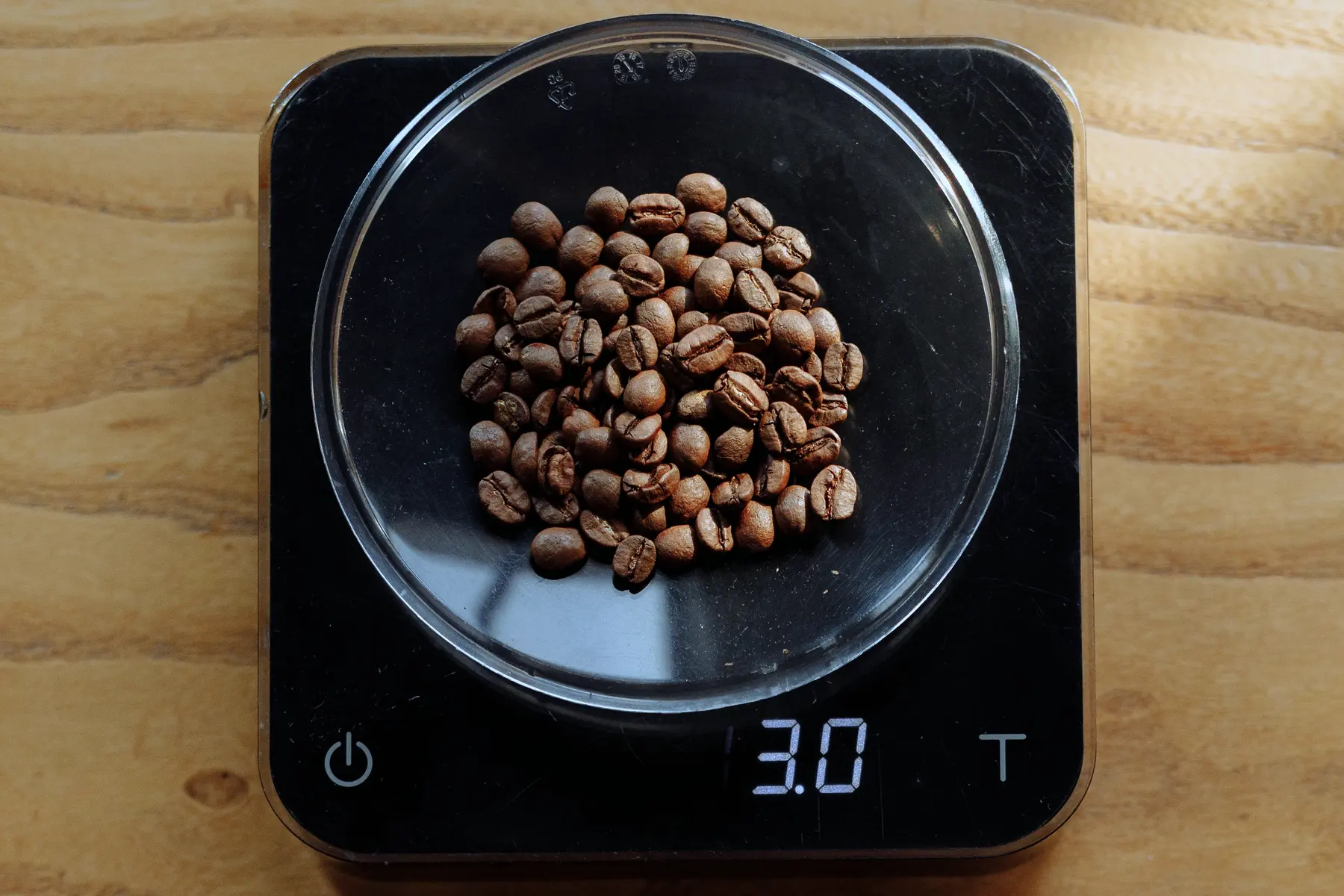
What Does Home Coffee Cost Per Cup?Work out what a cup of home coffee costs: beans per cup, then milk, filters and waste, with equipment kept separate. A calculator and a labelled example.
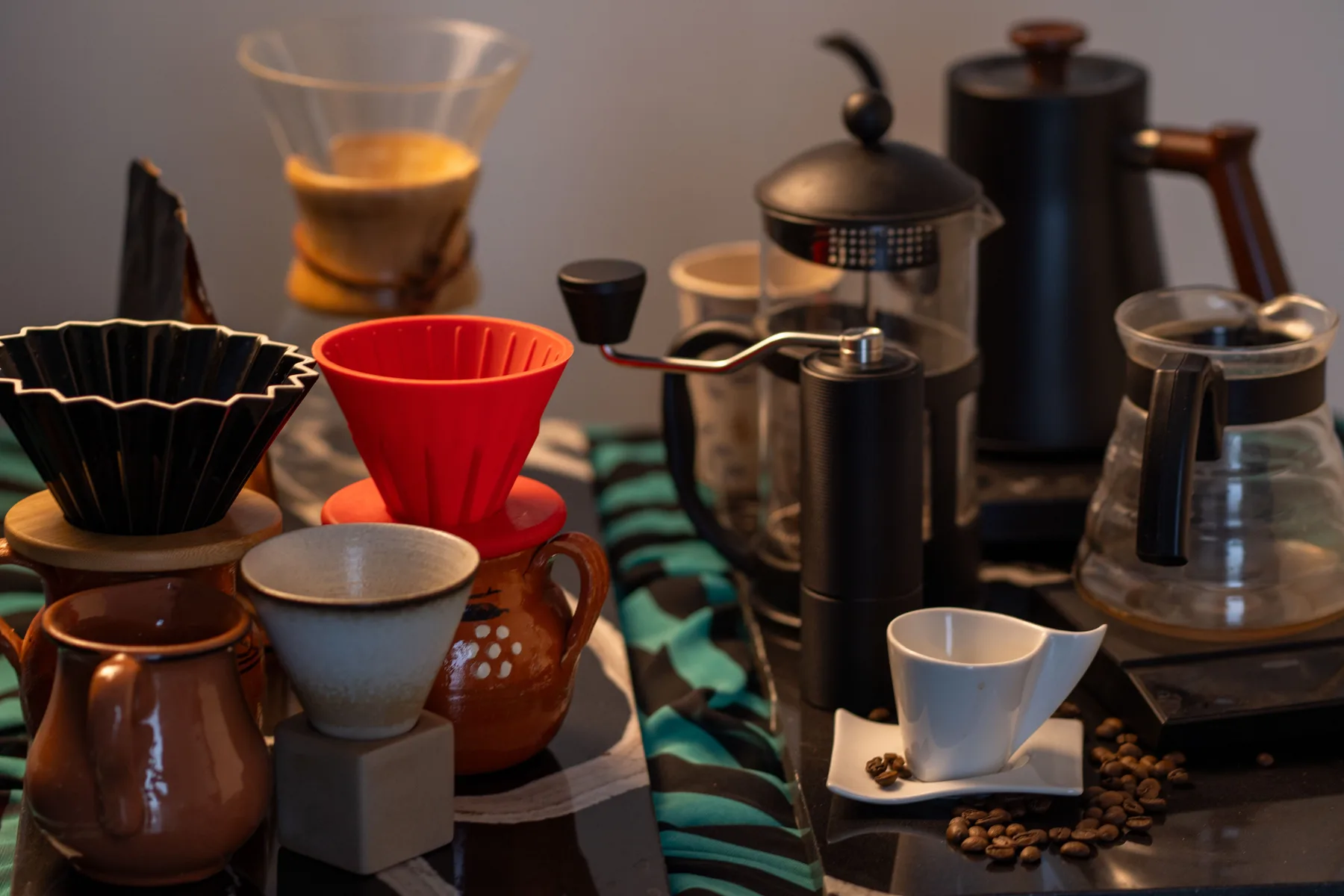
French Press vs Pour-Over: How to ChooseFrench press or pour-over? How immersion and flow-through brewing, metal and paper filters, attention and cleanup differ, and five questions to choose.
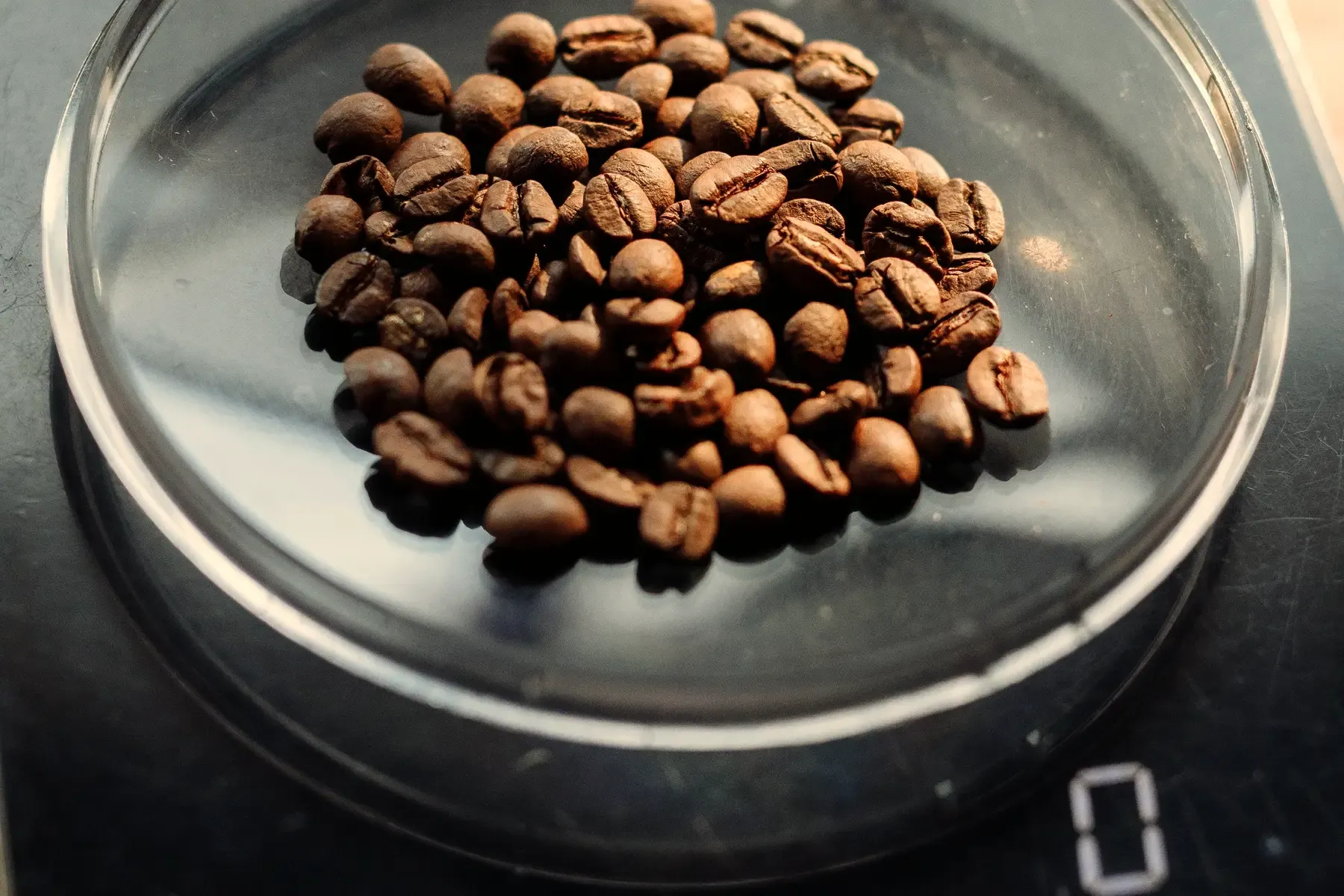
How to Choose a Coffee ScaleWhat to look for in a coffee scale: resolution for your brew, a stated accuracy, enough capacity, a timer, quick readings, a size that fits, and calibration.
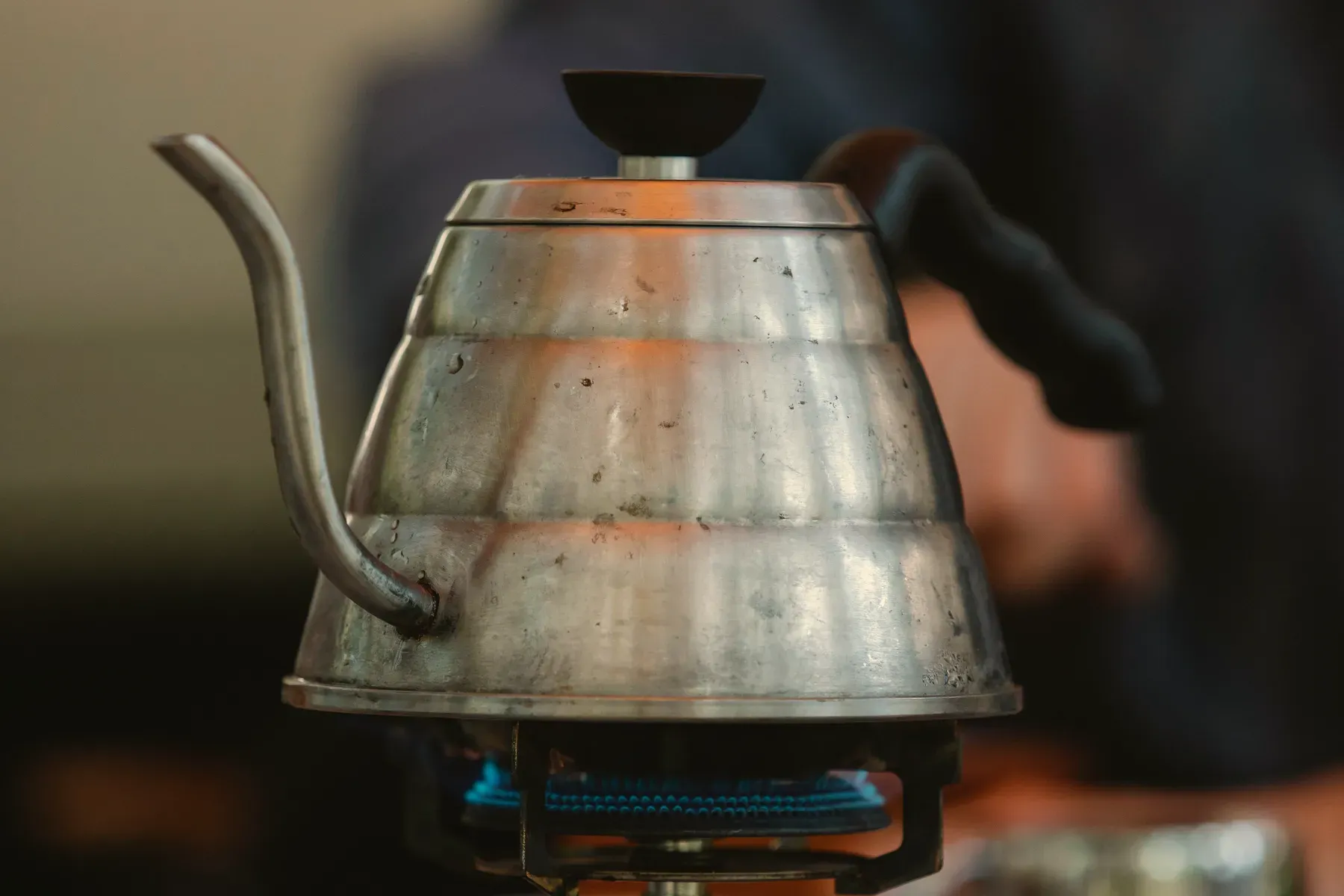
How to Choose a Kettle for CoffeeWhat to look for in a kettle for coffee: a gooseneck spout for pour-over, temperature control, the right capacity, electric or stovetop, and materials.
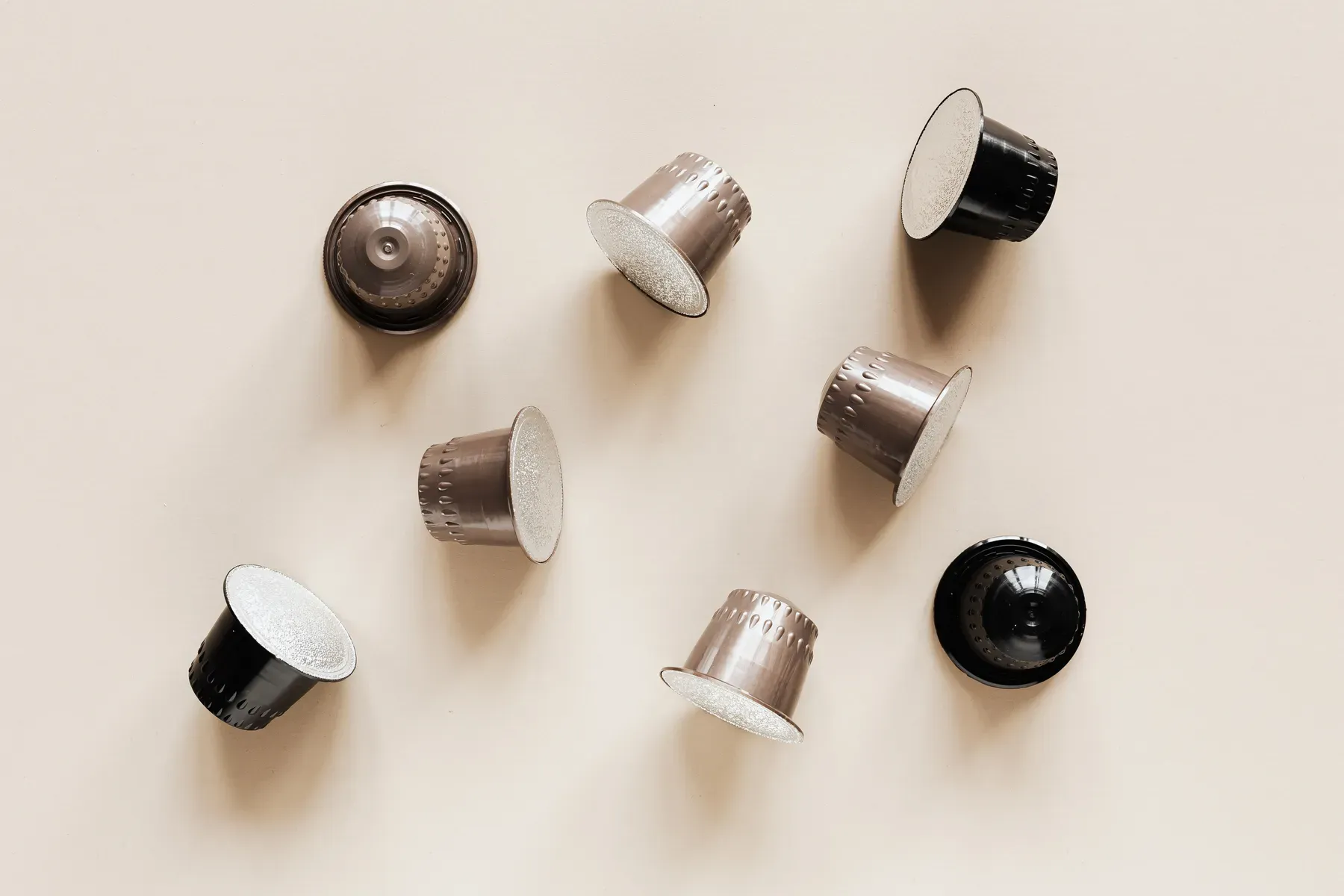
How to Choose Coffee Pods and CapsulesWhat to look for in coffee pods and capsules: the right system, grams for the cup, caffeine as a range, a real recycling route, compost claims and freshness.
Reader Tools
Quick help alongside the guides.