
Article
Grinder Retention and Grind Consistency
Edited and reviewed by Coffee Made Clear TeamUpdated 6 min read
Retention is ground coffee that stays inside a grinder after you grind.
Some of it comes out with your next dose, and some can sit in corners for a long time and go stale. Grind consistency is how close the grounds are to one size.
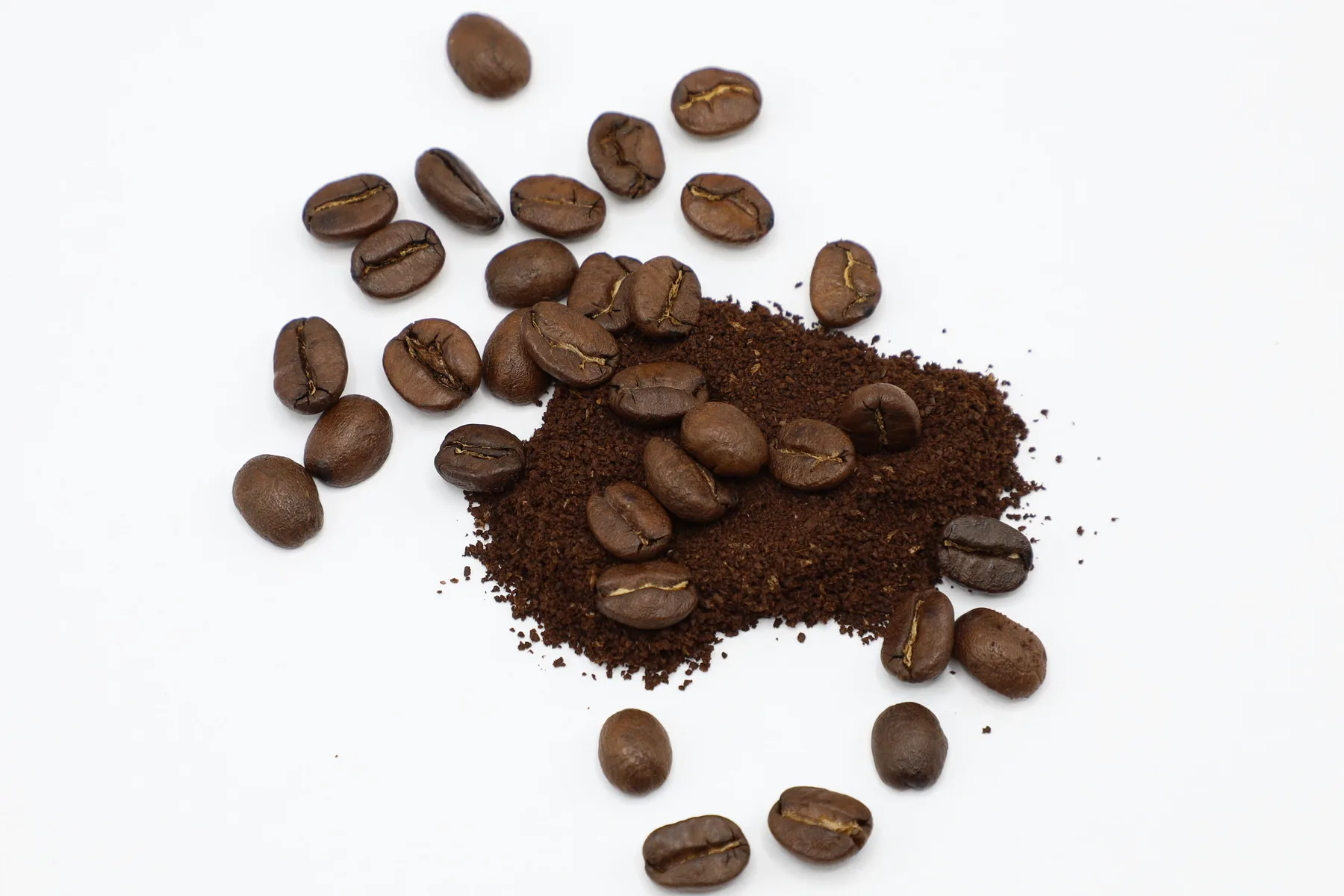
At home, both are easy to manage. Weigh the beans you put in, keep the grinder clean, and if static makes grounds cling, add a very small amount of water to the beans first.
Two grinder words come up a lot once you start reading about coffee: retention and consistency. Both sound technical, but both come down to simple questions. Is old coffee getting into your new cup? And are your grounds close to one size?
What grinder retention is
Retention is the ground coffee that stays inside the grinder after you finish grinding. A Swiss coffee retailer and educator splits it into two kinds:
- Temporary retention is coffee that gets swapped out from grind to grind. Some of today’s grounds stay behind, and some of yesterday’s come out with your dose.
- Permanent retention is old coffee stuck in corners. It stays until you clean it out.
Old grounds matter because roasted coffee goes stale (see how to store coffee beans). Baratza says that coffee oils left in the grinder will stale and degrade the flavor of your ground coffee, which is one reason it recommends regular cleaning.
- 1. Beans go in at the top.
- 2. Grounds can lodge around the burrs, where old coffee can stay for a long time.
- 3. Grounds can sit in the exit chute and come out with your next dose.
- 4. Static makes grounds cling to the bin and spill on the counter.
What grind consistency is
Grind consistency is how close your grounds are to one size. Every grinder makes a range of sizes: some very fine pieces, called fines, and some larger pieces, sometimes called boulders. A more consistent grinder keeps more of the grounds near the size you chose.
This matters because small pieces give up their flavor faster than big ones. Grinding research makes exactly that point. A very mixed grind brews unevenly, and it is harder to control how water flows through it.
A burr grinder is much more consistent than a blade grinder. See burr vs blade grinders explained for why.
Static: the link between the two
Static makes small grounds cling to the grinder and the grounds bin and spill onto the counter. Research by Joshua Méndez Harper and Christopher Hendon, published by the Specialty Coffee Association, links static to clumping, more retention and a messy workspace.
The same research found that the water inside the beans is a main factor in how much static builds up. In their tests, adding a small amount of water to whole beans before grinding cut retention sharply. They also warn that too much water can cause caking or corrosion inside the grinder.
- 1. Dark roast ground dry: over 10% of the coffee stayed in the grinder.
- 2. Same coffee with about 10 microliters of water per gram of beans: about 2.5%.
- 3. Too much water can cause caking or corrosion inside the grinder.
What you need
- A kitchen scale.
- Your grinder’s manual, especially its cleaning section and any advice about water.
- A grinder brush or a clean, dry, stiff brush.
- For static only: a small spray bottle or a spoon handle with a drop of water.
Keep old grounds and static out of your cup
- Weigh in
- the beans before grinding
- Weigh out
- the grounds; the gap is coffee left inside
- After days unused
- grind a little and discard it
- Static
- mist the beans or add one drop of water
- Cleaning
- burrs at least every few months if you grind daily
Check your manual before adding water to beans; too much can cause caking or corrosion. Baratza suggests that cleaning schedule.
Step 1: Weigh the beans you put in
A grinder expert describes weighing each dose outside the grinder, then adding it.
Step 2: Weigh the grounds that come out
If less comes out than went in, the gap is coffee left inside. Do this a few times to learn what your grinder holds back.
Step 3: Clear old grounds after a break
If the grinder sat unused for days, the first grounds out can include old coffee. Grind a small amount and discard it before your real dose.
Step 4: Tame static with a tiny amount of water
Lightly mist the beans or stir in one drop, then grind. Check your manual first.
Step 5: Clean the grinder on a schedule
Baratza suggests cleaning the burrs at least every few months if you grind daily. See how to clean a coffee grinder.
Step 6: Keep the setting and dose the same while you judge a coffee
Then a change in the cup tells you something. The grind size chart explains how to test one change at a time.
Troubleshooting
My dose comes out lighter than what I put in
Some coffee is staying in the grinder. Tap or brush out the chute, and weigh in and out again. If the gap keeps growing, clean the grinder.
Grounds fly everywhere and stick to the bin
That is static. Try a very small amount of water on the beans before grinding, as above. Some coffees build up more static than others, mainly because of how much moisture is left in the beans. In testing, a little water reduced static whatever the roast.
The coffee tastes stale even with fresh beans
Old grounds or oils inside the grinder may be part of it. Clean the burrs and chute, then grind and discard a small amount before brewing.
My grounds look very uneven
Check that the burrs are clean and seated as your manual shows. If you use a blade grinder, a burr grinder will give a much more even grind.
Frequently asked questions
What is grind retention in a coffee grinder?
It is the ground coffee left inside the grinder after grinding. Some is swapped out with each new grind. Some gets stuck in corners and stays there, going stale until you clean it out.
How much retention is too much?
There is no single limit. It matters more when you grind small amounts, such as one cup at a time, because a gram or two of old coffee is then a bigger share of your dose. Weigh beans in and grounds out to see what your grinder holds back.
Why does a drop of water reduce static when grinding coffee?
Research on grinding found that the water left inside roasted beans is a main factor in how much static they build up. In testing, a little water cut static whatever the roast, and cut retention for a dark roast from over 10% to about 2.5%. Too much water can cause caking or corrosion inside the grinder.
Does grind consistency matter for drip coffee?
It matters, though less than for espresso. Small pieces give up flavor faster than big ones, and even grounds make the flow of water easier to control. A test kitchen found little taste difference in drip coffee between a high-quality blade grinder and a burr grinder.
- Retention is ground coffee that stays inside a grinder. Some comes out with your next dose, and some can go stale in corners.
- Weigh the beans in and the grounds out to learn what your grinder holds back.
- If the grinder sat unused for days, grind a small amount and discard it before your real dose.
- A very small amount of water on the beans can cut static, but too much can cause caking or corrosion.
Sources
Studies and pages used for the claims above.
- Joshua Méndez Harper and Christopher H. Hendon, It’s Electric: Understanding and Reducing Static Electricity During Grinding, Specialty Coffee Association, 25 Magazine issue 21.
- Benjamin Hohlmann, What are single dosing grinders?, Kaffeemacher (2023). Used for the two kinds of retention.
- Uman et al., The effect of bean origin and temperature on grinding roasted coffee, Scientific Reports (2016).
- Howard Bryman, Equipment Report: Four Mid-Range Burr Coffee Grinders Tested & Reviewed, Coffee Review (2020).
- Baratza, Encore Owner’s Manual (revision 5/2014), care and cleaning section. Used as one example of a maker’s cleaning advice.
Published Updated
See sourcesReport a correction — fixes are logged in the Updated date.