
Article
Why Does My Coffee Taste Weak or Watery?
Edited and reviewed by Coffee Made Clear TeamUpdated 6 min read
Weak or watery coffee usually means there is too little coffee for the amount of water.
Brewing researchers call a dilute cup low strength (low TDS). So the first fix is to weigh your coffee and water and use a little more coffee for the same water, such as moving from 1:16 to 1:15.
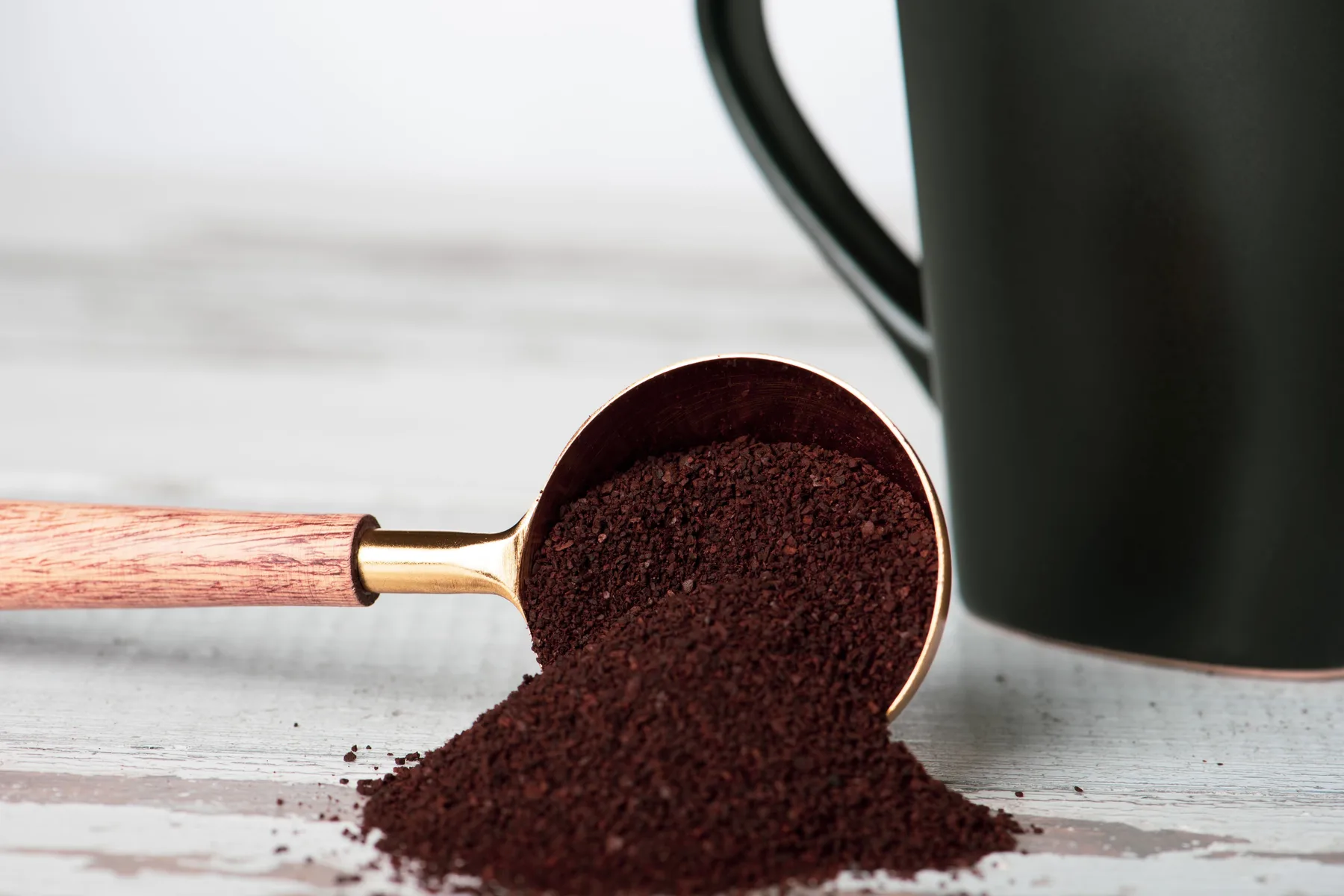
If the ratio is right and the brew also ran fast, test a slightly finer grind. If you measure by scoops per "cup", check how your brewer counts a cup.
A weak cup is one of the easiest coffee problems to fix, because the most common cause is simple: not enough coffee for the water. This guide shows how to check that first, then what to look at if the ratio is already right.
Weak and watery: what it means
Coffee science separates two ideas. Strength is how concentrated the drink is, often measured as total dissolved solids, or TDS. Extraction is how much of the coffee grounds ended up in the drink. The classic brewing chart even labels its low-TDS zone “weak”.
The amount of coffee you use for your water drives strength most directly. In a lab study of full-immersion brewing, strength fell as the water-to-coffee ratio rose, while extraction stayed about the same. So the ratio is the most direct lever, and this site’s guides check it first.
Extraction can play a part too. The National Coffee Association says a flat or watery cup may be ground too coarse, so it suggests a finer grind. Big, uneven pieces from a blade grinder can have the same effect.
What you need
- A kitchen scale, or at least a measuring jug for the water.
- Your usual coffee and brewer.
- A starting ratio. The coffee-to-water ratio guide explains 1:15 to 1:17, and the ratio calculator does the sums.
Fix a weak cup
- First
- weigh the coffee and the water
- Starting ratio
- 1:15 to 1:17
- Stronger
- a little more coffee, same water, such as 1:16 to 1:15
- Still thin and fast
- one step finer
- Drip machine
- check how it counts a cup
Change one thing per brew, then taste.
Step 1: Measure what you really used
Weigh the coffee and the water for one normal brew. Scoops and carafe marks can be far off.
Step 2: Compare it with a starting ratio
Many filter recipes sit around 1:16, and the ratio guide works from 1:15 to 1:17. A ratio well above that range means a lot of water for the coffee.
Step 3: Add a little more coffee
Keep the water the same and move one step, such as from 1:16 to 1:15. Brew and taste.
Step 4: Check the brew time
If the cup is still thin and the brew ran fast, test one step finer on the grinder. Change nothing else.
Step 5: Check the brewer
For drip machines, check how the machine counts a “cup”. For French press, use your recipe’s full steep time.
- 1. Measure: weigh the coffee and water you really used.
- 2. Ratio, the most direct fix (highlighted): use more coffee for the same water, one step at a time (for example 1:16 to 1:15).
- 3. Grind: only if the brew also ran fast, test one step finer.
- 4. Brewer: check how your machine counts a cup, and use the full steep time.
Method by method
| Method | Common sign | First change |
|---|---|---|
| Drip machine | Scoops that assume a different “cup” | Weigh the coffee and water, then add a little more coffee |
| Pour-over | A fast drawdown and a thin cup | Check the ratio, then grind a little finer |
| French press | A thin cup after the usual steep | A little more coffee for the same water, or one step finer |
| AeroPress | A thin cup | A little more coffee, a slightly finer grind or a slightly longer wait; pick one |
| Moka pot | A watery cup | Check that the water is below the valve and the funnel is properly full |
The first changes come from each method’s guide, and the sections below explain the drip, pour-over and French press rows.
Drip machine
Scoop advice and cup marks can disagree. One drip-machine maker counts each carafe “cup” as 5 fl oz. A 240 mL cup, the size on US nutrition labels, is 8 fl oz by the FDA’s labeling rule. If you add one scoop for each 8 fl oz of water, but your scoop advice assumes a 5 fl oz “cup”, each ounce of water gets about 38% less coffee. Weigh the coffee and water, or check how your brewer counts a cup.
- 1. One drip-machine maker counts a "cup" as 5 fl oz of coffee.
- 2. A 240 mL cup, the US nutrition-label cup, is 8 fl oz by the FDA rule (30 mL per fl oz).
- 3. One scoop per 8 fl oz of water instead of per 5 fl oz gives each ounce about 38% less coffee.
Pour-over
A fast drawdown with a thin cup suggests a slightly finer grind. Check the ratio first. The pour-over guide starts at 20 g of coffee to 320 g of water.
French press
In immersion brewing, the ratio is the main lever on strength. In a lab study where brews steeped until their strength leveled off, at about 20 minutes, the ratio set the final strength, and grind and temperature mattered little. A normal French press is plunged much sooner, so a slightly longer steep or a finer grind can also add strength. The French press guide suggests a little more coffee for the same water, or one step finer.
Troubleshooting
Weak and sour at the same time
That points to low extraction. If the brew also ran fast, test one step finer first, then adjust the ratio. See why coffee tastes sour.
Strong enough now, but bitter
You may have gone too far, or changed the grind as well. Step back one change. See why coffee tastes bitter.
Weak only with one coffee
Different coffees can taste different at the same recipe. Try one step more coffee for that bag, and note what worked.
My drip machine still makes weak coffee
If the ratio is right, try one step finer, as the drip coffee guide suggests. Keeping the machine clean and descaled is good upkeep, but the guides link it to bitterness and uneven results rather than weakness.
Frequently asked questions
How do I make my coffee stronger without making it bitter?
Change the ratio first. Use a little more coffee for the same water, such as 1:15 instead of 1:16, and keep the grind the same. That raises strength directly. Grinding much finer can also change the flavor, so change one thing at a time.
Why does my drip coffee taste watery?
Sometimes the scoops do not match the water. One coffee-maker brand counts each carafe "cup" as 5 fl oz, while a 240 mL cup is 8 fl oz by the FDA’s labeling rule. A scoop per 8 fl oz of water gives each ounce less coffee than a scoop per 5 fl oz. Weigh the coffee and water instead. If the ratio is right, a grind that is too coarse can also leave the cup watery.
Will steeping French press coffee longer make it stronger?
A little, at normal steep times. In a lab study, immersion coffee kept getting stronger until about 20 minutes, then leveled off, and the ratio set that final strength. A French press is plunged much sooner, so a slightly longer steep or a finer grind adds some strength. Changing the ratio is the most direct fix.
How much coffee should I use per cup?
Weigh it if you can. This site's pour-over recipe uses 20 g of coffee for 320 g of water (1:16). The National Coffee Association suggests 1 to 2 tablespoons of ground coffee per 6 ounces of water if you measure by volume.
- Weak or watery coffee usually means too little coffee for the amount of water.
- Weigh your coffee and water first. Scoops and carafe marks can be far off.
- Use a little more coffee for the same water, such as moving from 1:16 to 1:15.
- If the ratio is right and the brew ran fast, test one step finer.
Sources
Studies and pages used for the claims above.
- Liang, Chan and Ristenpart, An equilibrium desorption model for the strength and extraction yield of full immersion brewed coffee, Scientific Reports (2021).
- Frost, Batali, Guinard and Ristenpart, Towards a New Brewing Chart, Specialty Coffee Association, 25 Magazine issue 13.
- National Coffee Association, How to Make Drip Coffee, About Coffee.
- De’Longhi, How many fluid ounces does my drip coffee maker carafe yield?. Used only for the size of one maker’s “cup”.
- US Food and Drug Administration, Guidelines for Determining Metric Equivalents of Household Measures. Defines the 240 mL nutrition-label cup and the 30 mL fluid ounce (1993).
- America’s Test Kitchen, The Best Blade Grinders (2026). Used for its note that too many large pieces make weak coffee.
Published Updated
See sourcesReport a correction — fixes are logged in the Updated date.