
Article
Coffee Origins: How Region Shapes Flavor
Edited and reviewed by Coffee Made Clear TeamUpdated 6 min read
Coffee grows across the tropics, from Latin America to Africa and Asia.
Origin does shape flavor, but not by the country name alone. It works through the plant (species and variety), the elevation, shade and sun, and how the coffee is processed.
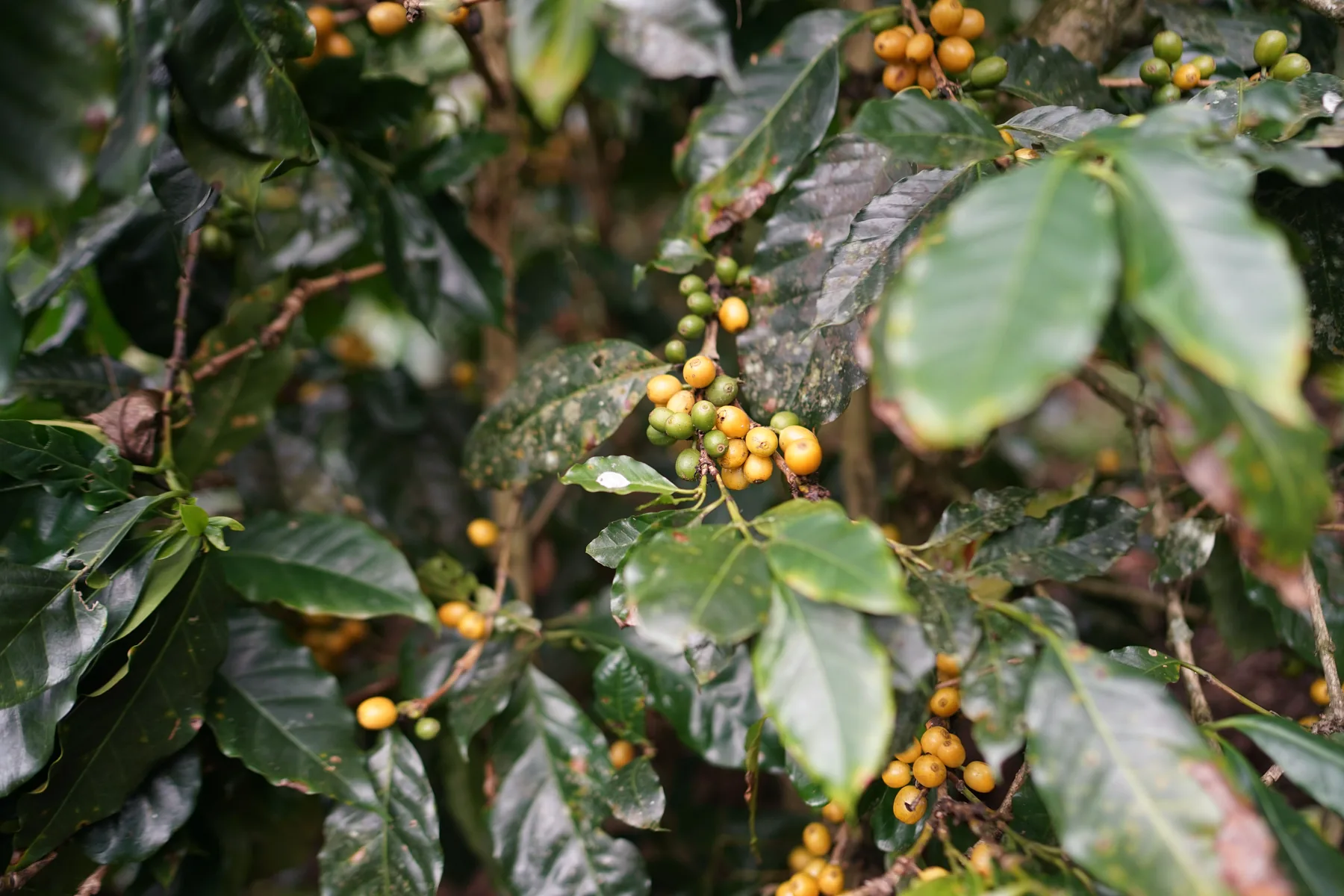
One study linked higher farms, and one trial linked shade-grown coffee, to better-rated cups, and research shows these factors interact. So treat a country or region on the bag as a clue. Note the origins you enjoy, and try coffees from nearby places.
Coffee bags love place names: Ethiopia, Colombia, Brazil, a region, a farm. It is easy to read them as flavor promises. Origin does matter, but the reasons are more interesting than a name on a map.
In this guide we show where coffee grows, which parts of “origin” research links to flavor, and how to use origin when you buy.
Where coffee grows
Coffee grows across wide areas of the tropics, in the so-called “bean belt” between the tropics of Cancer and Capricorn. Latin America produces more than 55% of the world’s coffee, and Brazil is the largest producer. Other top producers include Vietnam, Colombia, Indonesia and India.
The two species favor different places. Brazil, Colombia and Ethiopia are the largest producers of Arabica, which grows best at higher elevations. Vietnam, Indonesia, Uganda and India lead for Robusta, which is much more heat tolerant.
Arabica is native to Ethiopia, where most of its wild diversity still grows. Historians believe its seeds were first taken to Yemen and grown there as a crop. Robusta comes from the forests of central and western Africa.

What origin carries into the cup
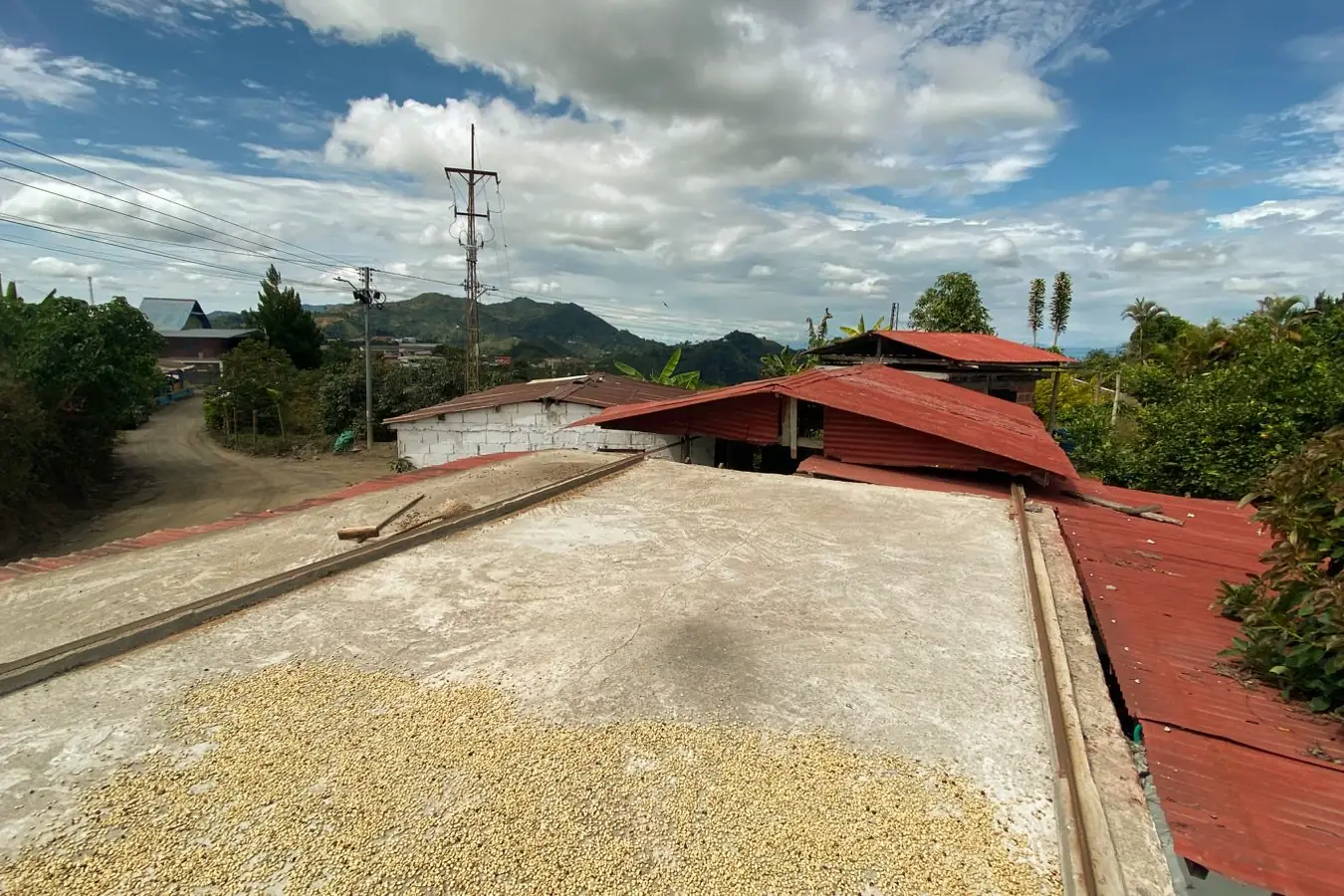
Researchers list several things that shape a coffee’s flavor: the species and variety, how it was processed, where it grew, and the climate. A place name bundles these together. Here is what studies have found for each.
Elevation
In two growing areas of Costa Rica, tasters preferred coffees from higher farms. Coffees from the higher area had a chocolate taste, stronger at the top. Coffees from the lower area had a floral flavor.
Height does not act alone. In southwestern Ethiopia, acidity rose with altitude only for coffee grown under shade. Sugar rose with altitude in wet-processed beans, but not significantly in dry-processed ones. The researchers stress how these factors interact.
Shade and sun
Shade slows the coffee fruit as it ripens. In one Costa Rican trial, 45% shade delayed ripening by up to a month and improved bean size and cup quality. Coffee grown in full sun ripened less completely, which the researchers linked to more bitterness and astringency. Shade also cut the harvest by 18%. The 45% and 18% figures come from that one trial, under the conditions its title states (“optimal conditions”, with fruit thinning), so they are not a rule for every farm.
Sun exposure matters in other ways too. In the Costa Rican altitude study above, east-facing slopes gave more acidic, generally better-rated coffees, probably because they get more morning sun.
The plant and the process
The plant itself matters. Arabica and Robusta taste different, and varieties within a species differ too. In a study of Robusta from the Congo, sensory profiles varied a lot, even between closely related plants. See Arabica vs Robusta.
How the coffee was processed changes the cup too. See washed, natural and honey processing.
Why a country name is only a clue
A country holds many farms, heights and processes. Even within one small region, place explained little. In a study of 13 high-quality coffees from one Colombian municipality, differences were mostly small and could not be pinned on location, farming practice or storage.
So origin is real, but it is a clue. As our guide to choosing coffee beans puts it, origin helps you remember coffees you liked, but it does not fix the flavor.
What you need
- Two or three coffees from different origins, at a similar roast level.
- Your usual brewer and recipe.
- A notebook or phone note.
Step 1: Read the whole origin line
Note the country, and any region, farm, variety, process and altitude on the bag.
Step 2: Brew them the same way
Keep the dose, water, grind and time the same, so only the coffee changes.
Step 3: Taste and describe
Note body, sweetness, acidity and any flavors you notice.
Step 4: Write down what you liked
Record the origin details next to your notes.
Step 5: Explore from there
Try a coffee from a nearby region, or the same process from another country, and compare.
Troubleshooting
Two coffees from the same country taste nothing alike
That is expected. Farms differ in height, shade, variety and processing. Note the region and process next time.
Everything tastes roasty and the same
A dark roast can cover origin differences. Try a light or medium roast. The Roast Compass starts with one question: do you want origin character or roast character to lead?
The bag only names a country
You know less about the coffee. Bags that name a region, farm or process tell you more.
Frequently asked questions
Does where coffee is grown affect its taste?
Yes, through the plant, the elevation, shade and sun, and processing. But in a study of 13 coffees from one small Colombian region, differences were small and could not be pinned on location.
Does high-altitude coffee taste better?
It can. In Costa Rica, tasters preferred coffees from higher farms. In Ethiopia, acidity rose with altitude only for shade-grown coffee. Height is one factor among several.
Which country produces the most coffee?
Brazil. Latin America produces more than half of the world's coffee. Other top producers include Vietnam, Colombia, Indonesia and India.
Where did coffee come from?
Arabica coffee is native to Ethiopia, where most of its wild diversity still grows. Historians believe seeds were later taken to Yemen and grown as a crop. Robusta comes from central and western Africa.
- Coffee grows across the tropics, in the "bean belt" between the tropics of Cancer and Capricorn.
- Origin shapes flavor through the plant, elevation, shade and processing, and these work together.
- One study linked higher farms, and one trial linked shade, to better-rated cups, but these factors interact with each other and with processing.
- A country name is a clue, not a promise. Write down what you liked and explore from there.
Sources
Studies and pages used for the claims above.
- Chandrasekhar, Graham and Viglione, Commodity Profile: Coffee, Carbon Brief (2023).
- Avelino et al., Effects of slope exposure, altitude and yield on coffee quality in two altitude terroirs of Costa Rica, Orosi and Santa María de Dota, Journal of the Science of Food and Agriculture (2005).
- Vaast et al., Fruit thinning and shade improve bean characteristics and beverage quality of coffee (Coffea arabica L.) under optimal conditions, Journal of the Science of Food and Agriculture (2006).
- Worku, de Meulenaer, Duchateau and Boeckx, Effect of altitude on biochemical composition and quality of green arabica coffee beans can be affected by shade and postharvest processing method, Food Research International (2018).
- di Donfrancesco, Gutierrez Guzman and Chambers, Similarities and differences in sensory properties of high quality Arabica coffee in a small region of Colombia, Food Research International (2019).
- World Coffee Research, Arabica and Robusta variety catalogs.
- Bollen et al., Sensory profiles of Robusta coffee (Coffea canephora) genetic resources from the Democratic Republic of the Congo, Frontiers in Sustainable Food Systems (2024).
Published Updated
See sourcesReport a correction — fixes are logged in the Updated date.